

If you’ve ever found yourself exhausted but unable to sleep, noticing extra weight gathering around your midsection, or wondering why your hair seems thinner than it used to be, high cortisol and stress may be affecting your body in ways you didn’t realize.
In a recent Love Mia Vita podcast episode, board-certified family physician Dr. C. Nicole Swiner joined FemmePharma founder Gerianne DiPiano to discuss the impact of elevated cortisol on women’s health. While cortisol is often labeled the “stress hormone,” the reality is more nuanced. We need cortisol to function. Problems arise when stress becomes chronic and cortisol remains elevated for extended periods.
The good news? Understanding what’s happening inside your body is the first step toward making meaningful changes that support long-term health and well-being.
What Is Cortisol?
Cortisol is a hormone produced by the adrenal glands, which sit on top of your kidneys. Its primary job is to help your body respond to stress through the “fight-or-flight” response.
Thousands of years ago, cortisol helped humans survive immediate threats. Today, most of us aren’t running from predators, but our bodies often react similarly to modern stressors such as work deadlines, caregiving responsibilities, financial concerns, relationship challenges, and chronic worry.
In short bursts, cortisol is helpful. It helps regulate blood pressure, metabolism, inflammation, and energy levels. However, when stress becomes constant, cortisol can remain elevated, placing significant strain on the body.
Signs of High Cortisol Women Shouldn’t Ignore
The symptoms of elevated cortisol can be surprisingly broad because cortisol affects nearly every system in the body.
Physical Signs of High Cortisol
Some of the most common signs of high cortisol include:
- Weight gain, especially around the abdomen
- Increased fat accumulation in the face (“moon face”)
- Elevated blood pressure
- Racing heart or heart palpitations
- Frequent headaches
- Night sweats
- Thinning hair
- Fragile skin or slower wound healing
- Muscle weakness
- Joint discomfort
- Increased thirst or urination
- Fatigue despite getting enough sleep
One reason hair thinning can occur is that the body prioritizes vital organs when it perceives ongoing stress. Resources such as blood flow, hydration, and nutrients are directed toward survival functions rather than hair, skin, and nails.
The Emotional and Cognitive Effects
Elevated cortisol doesn’t just affect the body—it can also affect how you feel.
Women may experience:
- Anxiety
- Irritability
- Mood swings
- Brain fog
- Difficulty concentrating
- Feeling overwhelmed
- A persistent sense of worry or doom
Many women assume these symptoms are simply part of a busy life, but they may actually signal an overstressed nervous system.
Tired But Wired: When Stress Follows You to Bed
One of the most frustrating symptoms of elevated cortisol is feeling exhausted all day, only to become alert at night.
Many women describe waking in the middle of the night with a racing heart, sweating, or feeling as though they’re being chased. This “tired but wired” sensation happens because the body remains stuck in a heightened state of alertness, even when it should be resting.
Over time, poor sleep can create a vicious cycle. Inadequate sleep increases cortisol levels, and elevated cortisol makes quality sleep even harder to achieve.
Why Women Carry a Greater Cortisol Burden
While stress affects everyone, women often face unique challenges that can contribute to chronically elevated cortisol.
Many women find themselves managing careers while simultaneously caring for children, partners, aging parents, and households. Researchers often refer to this period as the “sandwich generation” because women are caring for multiple generations at once.
Hormonal fluctuations can further complicate the picture.
During puberty, pregnancy, postpartum recovery, perimenopause, and menopause, changing levels of estrogen and progesterone can amplify symptoms that overlap with high cortisol, including:
- Hot flashes
- Night sweats
- Mood changes
- Sleep disturbances
- Brain fog
- Lower libido
As Dr. Swiner explains, these hormonal transitions can feel like multiple stressors converging at the same time.
High Cortisol and Weight Gain: What’s Happening?
Many women are surprised to learn that cortisol can influence body composition.
When cortisol remains elevated, the body shifts into a protective mode. It stores energy more readily, often leading to increased fat accumulation around the midsection.
At the same time, elevated cortisol can affect blood sugar regulation, increase cravings, and make weight management more difficult. This combination can increase the risk of metabolic concerns such as insulin resistance, prediabetes, and type 2 diabetes.
If you’ve been eating well and staying active but still notice stubborn abdominal weight gain, chronic stress may be playing a role.
Natural Ways to Lower Cortisol
The encouraging news is that small, sustainable habits can help regulate cortisol and support overall health.
Dr. Swiner recommends focusing on lifestyle foundations before turning to more aggressive interventions.
Prioritize Restorative Sleep
Sleep is one of the most powerful tools for regulating cortisol.
Aim for 7-8 hours of quality sleep whenever possible. Creating a consistent bedtime routine, limiting screen time before bed, and maintaining a regular sleep schedule can help signal safety and relaxation to your nervous system.
Move Your Body Regularly
You don’t need intense workouts to see benefits.
Walking, yoga, Pilates, dancing, gardening, or short “exercise snacks” throughout the day can help lower stress hormones while improving mood, circulation, and metabolic health.
The goal isn’t perfection—it’s consistency.
Support Your Body with Evidence-Based Nutrients
Certain supplements have been studied for their ability to support stress resilience and relaxation.
Two of the most researched ingredients include:
Ashwagandha
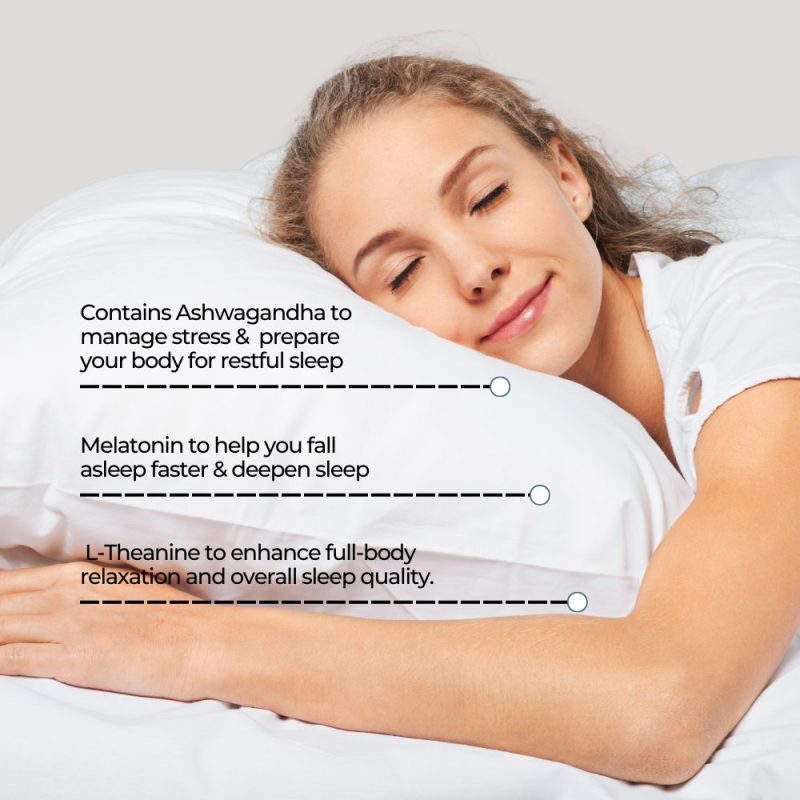
An adaptogenic herb traditionally used to help the body adapt to stress. Research suggests ashwagandha may help support healthy cortisol levels and improve stress resilience.
L-Theanine
An amino acid naturally found in tea leaves that promotes relaxation without causing drowsiness. L-theanine may help reduce feelings of stress while supporting calm focus and better sleep quality.
Support Better Sleep and Stress Recovery
Because quality sleep is essential for healthy cortisol regulation, choosing the right nighttime support can make a meaningful difference.
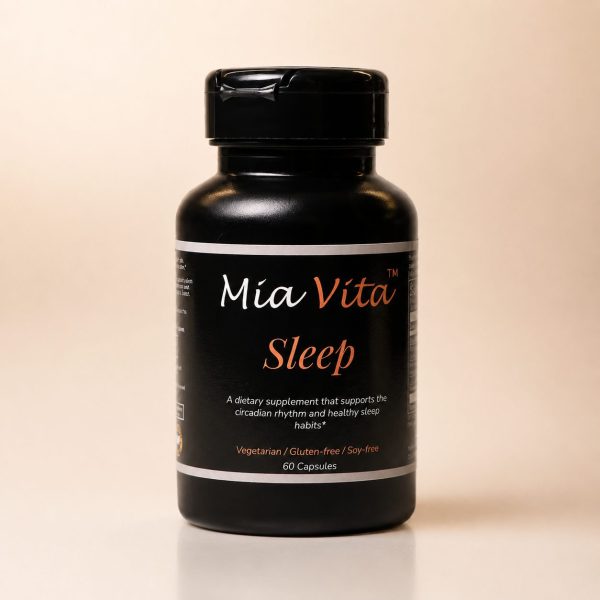
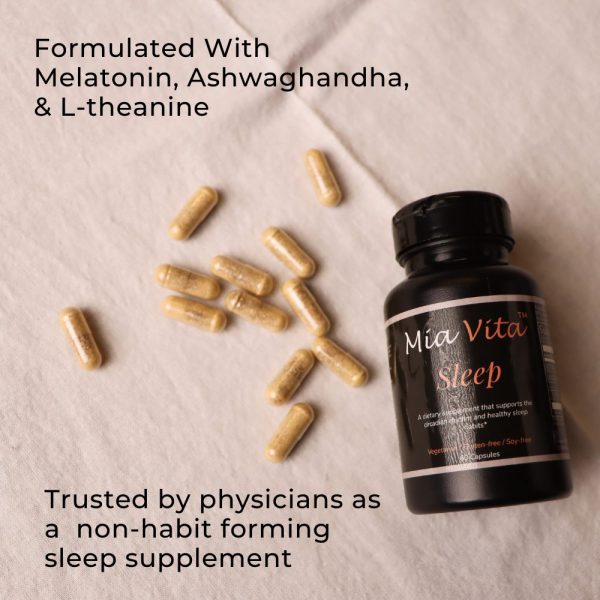
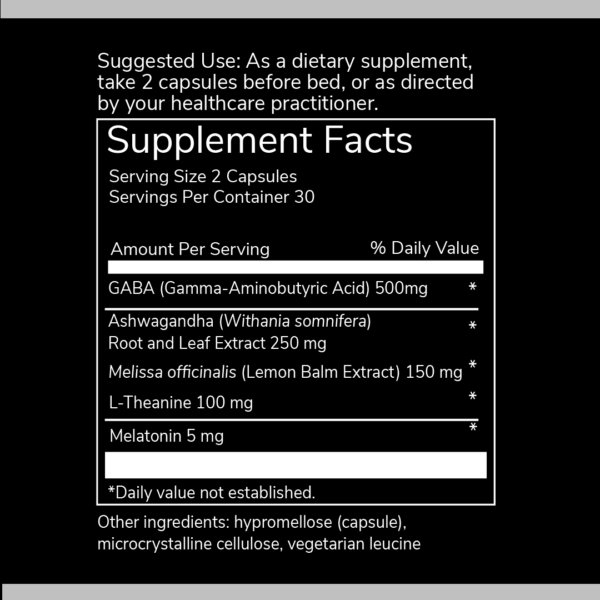
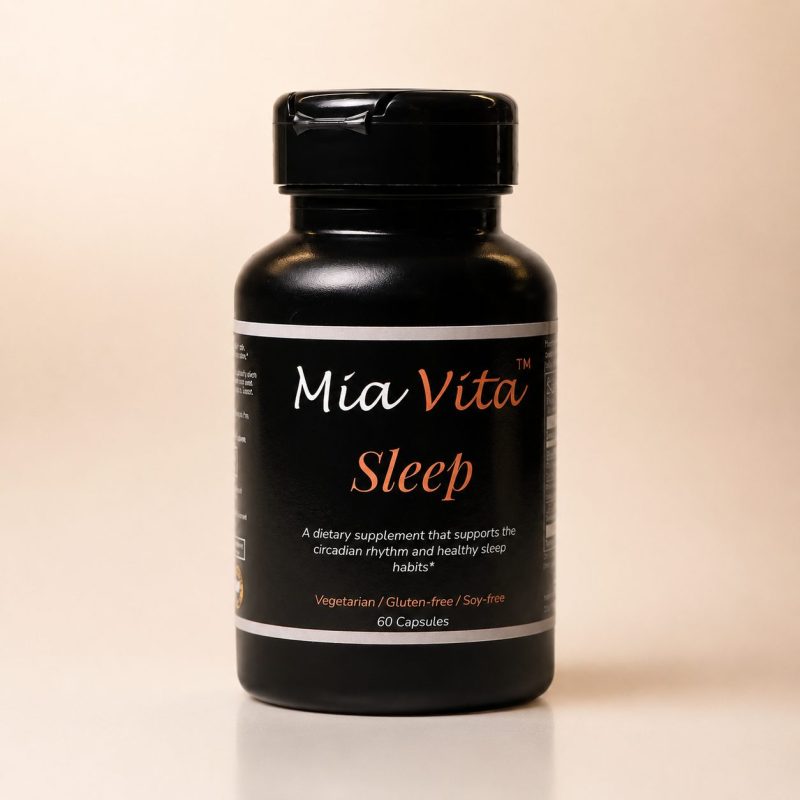
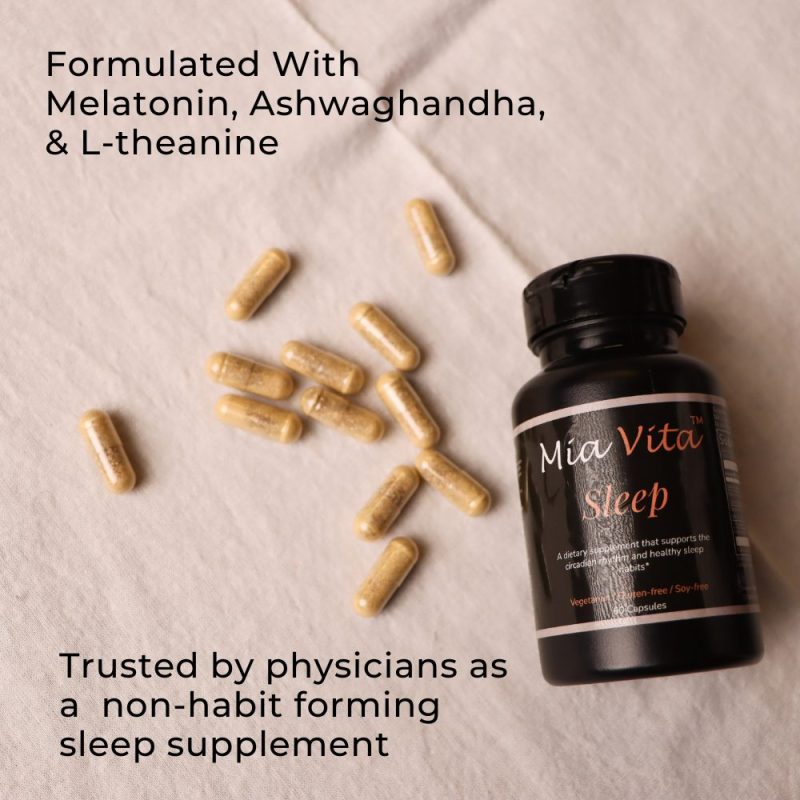
FemmePharma’s Mia Vita® Sleep supplement was formulated with ingredients that support relaxation and restorative sleep, including both ashwagandha and L-theanine. When paired with healthy sleep habits and regular physical activity, it can be a valuable addition to a comprehensive stress-management routine.
The Bottom Line
High cortisol can affect far more than stress levels. It may contribute to thinning hair, midsection weight gain, poor sleep, anxiety, brain fog, and feelings of being perpetually overwhelmed.
But elevated cortisol isn’t a life sentence.
By prioritizing sleep, incorporating regular movement, nourishing your body, and utilizing evidence-based tools when appropriate, you can help restore balance and support your long-term health.
As Dr. Swiner reminds us, the goal isn’t perfection. It’s recognizing the signs, making sustainable changes, and giving yourself permission to care for your own well-being with the same dedication you give to everyone else.
About the Author


Mia Vita® Sleep
Fall Asleep Faster. Stay Asleep Longer.
If you struggle with falling asleep, tossing and turning, or waking up groggy, Mia Vita® Sleep is your new nighttime ritual. This science-backed, non-habit-forming supplement is designed to help you drift into deep, restorative sleep — naturally. Promotes relaxation and better sleep.