
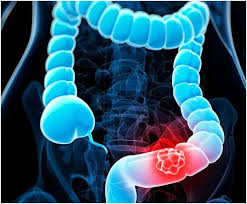
March 1 marks National Dress in Blue Day. On the first Friday of March, those who are afflicted with colon cancer – along with their allies and supporters – wear blue to bring awareness to this disease and promote Colorectal Cancer Awareness Month.
Though highly preventable, colon cancer is often a silent and deadly disease. While colorectal cancer affects both men and women, there are specific nuances and considerations regarding its impact on women that we should be aware of.
What is colorectal cancer?
Colorectal cancer, often referred to as bowel cancer or colon cancer, originates in the colon or rectum. It may start as benign growths called polyps, which can become cancerous if not detected and removed. The disease ranks as the third most common cancer diagnosed in both men and women and is the second leading cause of cancer-related deaths in the United States.
Colorectal cancer in women
While historically seen as a disease primarily affecting men, colorectal cancer is increasingly affecting women. In fact, recent studies suggest that women may be at higher risk of dying from colorectal cancer than men due to factors such as hormonal differences and unique symptoms that may delay diagnosis.
What are the symptoms of colon cancer in women?
It’s important to identify the signs and symptoms of colorectal cancer in women to identify the disease and treat it effectively. Though the symptoms noted below may seem just part of normal gastrointestinal distress or indigestion, it’s important to take note of them as they can signal the early stages of colorectal cancer. Symptoms may include:
Changes in bowel habits
- Some of us may find it uncomfortable to pay attention to or discuss our bowel habits. However, if you notice changes — such as persistent diarrhea, constipation, or stool consistency – mention these to your doctor right away. It’s important to screen for and identify (or rule out) colon cancer when these changes occur.
- Rectal bleeding or blood in stool
- Again, this may be uncomfortable to discuss, but it’s important to note unexplained bleeding or blood in your stool and make an appointment with your primary care provider to investigate it further.
- Abdominal discomfort
- Persistent abdominal pain, cramping, or bloating may signal colorectal issues.
- Unexplained weight loss
- Significant and unexplained weight loss – without changes in diet or exercise – warrants medical attention.
- Fatigue or weakness
- If you feel more tired and rundown than usual, make an appointment with your doctor. Chronic fatigue or weakness not attributable to other factors should be evaluated.
What are the treatment options for colorectal cancer?
Treatment for colorectal cancer varies depending on the stage and individual patient factors, but often includes a combination of surgery, chemotherapy, radiation therapy, and targeted drug therapy. Early detection significantly improves treatment outcomes, highlighting the importance of regular screenings and awareness of symptoms.
Screening guidelines for women
Given the increasing incidence of colorectal cancer in younger populations, screening guidelines have evolved to recommend earlier initiation of screenings. While guidelines may vary slightly, most medical organizations recommend regular colorectal cancer screening starting at age 45 for average-risk individuals. However, women with certain risk factors, such as a family history of colorectal cancer or inflammatory bowel disease, may need to begin screening earlier.
As we observe Colorectal Cancer Awareness Month, it’s essential to recognize that colorectal cancer impacts women uniquely. Increased awareness, early detection, and proactive screening are crucial steps in reducing the burden of this disease on women’s health.
By understanding the signs and symptoms, advocating for timely screenings, and supporting ongoing research and education efforts, we can make significant strides in the fight against colorectal cancer for women and all individuals at risk. Let’s empower ourselves and our communities to prioritize colorectal health and save lives.
Women’s Health Clinical Literacy: A Guide to Reliable Data
In our social media “digital waiting rooms,” the challenge isn’t finding information—it’s finding up-to-date, science-backed information. We believe women’s health clinical literacy is our ultimate tool for self-advocacy. Between wellness hacks and an increase in “AI slop”—low-quality content that doesn’t rely on clinical accuracy—we find ourselves in a land of information chaos. When you’re going online to research your symptoms or treatment options, here’s a 4-step guide on how to filter for pharmaceutical-grade truth.
How do you spot credible health information?
- Check for research updated within the last 10 years.
- Verify medical definitions against clinical glossaries.
- Identify the authors and their funding sources.
- Prioritize peer-reviewed studies over search engine algorithms.
1. Check the “Expiry Date” of the Science
Verify the publication date. In women’s health, data ages fast. As we saw with the recent shift in the Hormone Replacement Therapy label, the label disappeared—but no new data was presented. When you are reading a study or an article, always look for the publication date. If the foundational research hasn’t been refreshed in over ten years, it may not reflect the current data coming from well controlled clinical studies.
2. Get the Correct Definition of Terms
Broad terms like “hormonal balance” are often used as marketing buzzwords, so they may not come with an explainer. Remember, you need to understand the clinical definitions of terms, so you can advocate for clinical diagnoses and solutions for yourself and others. When you find a health claim, look up the medical definition. Use a trusted glossary to ensure the terms used are based in physiology.
3. Research “Who” and “Why”
In our era of AI-generated content, we need to know who conducted the research and who funded the platform that the research is published on. Is the article written by a pharmaceutical researcher, or vetted by a Medical or Scientific Advisory Board? Clinical integrity requires transparency in authorship. Look for peer-reviewed citations and professional credentials.
4. Move Beyond the Algorithm
Search engines prioritize what is popular (and paid for), not necessarily what has been proven by current science. To find your health solutions, look for research-driven organizations who are committed to scientific equity and women’s health clinical literacy. In other words, don’t let the algorithm decide what you decide on.
Friends, the internet should be a tool for us to get smarter, not a place where we get anxious and are unsure about what we’re learning. By applying these filters, you are being smart in your search—thorough—and your health will thank you.
Training With Your Cycle: Menstruation to Menopause
For a long time, most exercise science focused on men. Training programs and recovery plans were made for male bodies, and women were expected to use the same approach. Now, things are changing. New research shows what many women already knew: our bodies react differently to training than men’s bodies do. Hormonal changes during the menstrual cycle, perimenopause, and menopause all affect how we train. This makes it clear that women need training plans that work with, not against, their biology.
How to Start Training With Your Menstrual Cycle
Syncing training with your menstrual cycle is not a new idea, but the science supporting it is getting stronger. The menstrual cycle has two main phases: the follicular phase, which is the first half before ovulation, and the luteal phase, which is the second half after ovulation. Estrogen is highest during the follicular phase, and new research suggests this may help with muscle building and recovery.
Research published in Sports Medicine found that resistance training timed to the follicular phase can lead to greater strength and muscle gains than during the luteal phase (Kissow et al., 2022). Other studies also show that women’s anaerobic capacity and muscle strength are usually highest in the first half of the cycle (Kissow et al., 2022; Oosthuyse et al., 2023). So, heavy lifting and high-intensity workouts may feel easier and be more effective in the days before ovulation. Training tailored to cycle phases did not consistently outperform standard programming (Kubica et al., 2024). Research also suggests that the transitions between phases, not just the phases themselves, may matter just as much (Bruinvels et al., 2022). Most female athletes do report perceiving the late follicular phase as their peak performance window and the early follicular and late luteal phases as more challenging (Righi & Barroso, 2022), but your personal experience may vary.
The International Society of Sports Nutrition suggests tracking your hormonal patterns alongside your training results to determine what works best for you (Sims et al., 2023). Apps and wearables that track your cycle can help you learn your body’s rhythms, rather than sticking to a strict plan.
Nutrition That Works With Your Cycle
It is not just your training that changes during your menstrual cycle; your nutrition needs do too. In the luteal phase, progesterone lowers your body’s ability to make glucose from other sources, so you need more carbohydrates (Sims et al., 2023). If you are a person that craves carbs before your period, there is a real reason for it.
Protein requirements also shift. The ISSN recommends that women in the luteal phase target the upper end of the protein recommendations, between 1.4 and 2.2 grams per kilogram of body weight per day, due to progesterone’s catabolic effects on muscle tissue (Sims et al., 2023; Oosthuyse et al., 2023). Adequate protein intake is not just about building muscle; it is about maintaining the muscle you already have.
How Does Training With Your Menstrual Cycle Change During Perimenopause and Menopause?
During perimenopause, which is the transition that can last several years before menopause, hormone levels change a lot. Estrogen and progesterone become unpredictable, so planning workouts around your cycle is impractical. At this stage, being consistent with exercise is most important.
Research indicates that initiating or maintaining regular exercise during perimenopause may be particularly effective, as estrogen-related receptor pathways appear more responsive during this window than later in postmenopause (Tamariz-Ellemann et al., 2023). In other words, the habits you build now have compounding returns.
A 2025 study found that 86.5% of perimenopausal and postmenopausal women expressed interest in resistance training specifically for bone health, and 71.8% were interested in high-intensity resistance and impact training (HiRIT) to address both bone density and menopausal symptoms (Kaluta et al., 2025). This enthusiasm reflects what the research supports: physical activity during this transition improves cardiometabolic risk, bone density, mood, and sleep quality (Hulteen et al., 2023; Nappi et al., 2022).
Experts recommend getting 150 to 300 minutes of moderate aerobic exercise each week, along with muscle-strengthening exercises twice a week (Nappi et al., 2022). For postmenopausal women, performing resistance training 2 to 3 times a week at 40 to 80% of their one-rep max helps maintain muscle and bone strength (Miszko & Cress, 2000).
Postmenopause: Prioritizing Strength and Longevity
After menopause, the focus shifts further still away from hormonal timing and toward age- and health-focused programming. With persistently low estradiol levels, the priority becomes protecting bone density, maintaining muscle mass, and supporting cardiovascular health through consistent, appropriately challenging exercise.
Nutritionally, postmenopausal women may benefit from higher creatine supplementation (around 0.3 grams per kilogram of body weight per day) to support bone health, cognitive function, and muscle preservation (Sims et al., 2023). Protein timing also becomes critical: consuming high-quality protein containing approximately 10 grams of essential amino acids close to exercise can help overcome the anabolic resistance that develops after menopause when the body becomes less efficient at using protein to build and maintain muscle (Sims et al., 2023).
The Takeaway: Your Biology Is a Blueprint, Not a Barrier
The move toward training programs made for women is long overdue, and it is about more than just performance. It is about showing women that what they feel in their bodies is real and based on science, and that it is worth planning for. Whether you are training for a race, going through perimenopause, or just want to feel strong after menopause, the research shows that the best training plan is one that fits who you are.
Pay attention to your body’s patterns. Change your nutrition as needed. Lift heavy weights when you feel ready. Focus on being consistent when you do not. Moreover, remember, science is finally recognizing what women’s bodies have always known.
Whether you are adjusting your intensity for your menstrual cycle or navigating the physiological shifts of perimenopause, skin sensitivity is a real factor in your fitness journey. Lower estrogen levels or high-intensity repetitive movement can make intimate skin more prone to dryness and irritation. To prevent the painful chafing that often follows a workout, incorporate Mia Vita® Intimate Moisturizer into your pre-session routine. Made without hormones, it provides the essential hydration needed to protect your body through every phase of your training.
References
Bruinvels, G., Hackney, A. C., & Pedlar, C. R. (2022). Menstrual cycle: The importance of both the phases and the transitions between phases on training and performance. Sports Medicine, 52(7), 1457–1460.
Hulteen, R. M., Marlatt, K. L., Allerton, T. D., & Lovre, D. (2023). Detrimental changes in health during menopause: The role of physical activity. International Journal of Sports Medicine, 44(6), 389–396.
Kaluta, L., Billington, E. O., McDonough, M., Burt, L. A., & Gabel, L. (2025). Exercise preferences and perceptions of women during the menopausal transition. Applied Physiology, Nutrition, and Metabolism.
Kissow, J., Jacobsen, K. J., Gunnarsson, T. P., Jessen, S., & Hostrup, M. (2022). Effects of follicular and luteal phase-based menstrual cycle resistance training on muscle strength and mass. Sports Medicine, 52(12), 2813–2819.
Kubica, C., Ketelhut, S., Querciagrossa, D., et al. (2024). Effects of a training intervention tailored to the menstrual cycle on endurance performance and hemodynamics. The Journal of Sports Medicine and Physical Fitness, 64(1), 45–54.
Miszko, T. A., & Cress, M. E. (2000). A lifetime of fitness: Exercise in the perimenopausal and postmenopausal woman. Clinics in Sports Medicine, 19(2), 215–232.
Nappi, R. E., Chedraui, P., Lambrinoudaki, I., & Simoncini, T. (2022). Menopause: A cardiometabolic transition. The Lancet Diabetes & Endocrinology, 10(6), 442–456.
Oosthuyse, T., Strauss, J. A., & Hackney, A. C. (2023). Understanding the female athlete: Molecular mechanisms underpinning menstrual phase differences in exercise metabolism. European Journal of Applied Physiology, 123(3), 423–450.
Righi, I., & Barroso, R. (2022). Do recreationally trained women of different ages perceive symptoms of the menstrual cycle and adjust their training accordingly? International Journal of Environmental Research and Public Health, 19(21), 13841.
Sims, S. T., Kerksick, C. M., Smith-Ryan, A. E., et al. (2023). International Society of Sports Nutrition position stand: Nutritional concerns of the female athlete. Journal of the International Society of Sports Nutrition, 20(1), 2204066.
Tamariz-Ellemann, A., Wickham, K. A., Nørregaard, L. B., Gliemann, L., & Hellsten, Y. (2023). The time is now: Regular exercise maintains vascular health in ageing women. The Journal of Physiology, 601(11), 2085–2098.
How Much Fiber Do You Need Per Day?
The Power of Fibermaxxing: How Much Do You Need Per Day?
For years, protein has dominated health conversations. Now, fiber is stepping into the spotlight. Across clinics and research, more people are recognizing the power of fiber foods for whole body health. This shift, often called fibermaxxing, reflects a growing awareness that fiber supports far more than digestion.
Moreover, fiber influences appetite, blood sugar balance, heart health, and long-term wellbeing. Many people who improve their fiber intake report steadier energy and better weight control.
What Is Fiber and Why Do We Need It?
Fiber is a type of carbohydrate found in plant foods that your body cannot fully digest. Instead of being broken down for calories, it moves through the gut where it supports digestion, feeds beneficial bacteria, and helps regulate how quickly sugar enters the bloodstream. There are two main types, and both play important roles.
Soluble fiber dissolves in water and forms a gel like texture. It helps steady blood sugar, supports healthy cholesterol levels, and can improve fullness after meals. Insoluble fiber adds bulk and helps keep bowel movements regular by moving waste through the intestines more efficiently. Most foods contain a mix of both.
Beyond digestion, fiber also supports hormone detoxification. Your liver packages used hormones, including estrogen, so they can be eliminated through the bile and stool. If bowel movements are slow, those compounds may be reabsorbed. A fiber rich diet helps the body clear them more effectively. Additionally, when gut bacteria ferment certain fibers, they produce short chain fatty acids that support the gut lining, reduce inflammation, and influence immune function and metabolic health. For more on how the gut microbiome influences overall health, see our guide to gut health
How Much Fiber Do You Need Per Day?
Many adults would benefit from eating more fiber, yet most people fall short. Official guidelines set the baseline at around 25 g per day for women and 30 to 38 g per day for men, depending on age. In functional medicine, practitioners often encourage aiming for around 30 g per day or more as a practical target for supporting appetite control, blood sugar balance, heart health, and long-term wellbeing, especially when it is increased gradually.
Modern diets often lack whole plant foods and rely heavily on refined carbohydrates, which contain little fiber. If you are currently eating very little fiber, build up slowly over one to two weeks and increase fluids, as a sudden jump can cause bloating and discomfort.
Importantly, the goal is not just quantity but variety. Eating a wide range of plant foods provides different fiber types that nourish different gut bacteria, which supports gut health and whole-body wellbeing.
Signs You May Not Be Getting Enough Fiber
Low fiber intake often shows subtle signs. Many people do not realize the connection at first. Common indicators include:
• Irregular bowel movements
• Bloating or sluggish digestion
• Frequent hunger or cravings
• Energy dips during the day
• Difficulty maintaining a healthy weight
• Elevated cholesterol or blood sugar over time
Moreover, poor intake can influence gut bacteria balance, which may affect immunity, mood, and inflammation.
Fiber Foods to Focus On
The simplest way to boost your intake is to build meals around whole plant foods. These fiber foods do more than add bulk. They also bring vitamins, minerals, antioxidants, and natural compounds that support gut and metabolic health.
Focus on:
• Whole grains such as oats, quinoa, brown rice, and barley
• Legumes including lentils, chickpeas, black beans, and edamame
• Vegetables like broccoli, carrots, Brussels sprouts, and leafy greens
• Fruits such as berries, apples, pears, and oranges
• Nuts and seeds including chia, flax, pumpkin seeds, and almonds
Additionally, limit ultra processed foods. Many are low in natural fiber and high in refined carbs, added sugars, and additives. This combination can drive cravings, disrupt blood sugar, and crowd out the fiber foods your gut bacteria need.
Fiber, Fullness and Mood. Why It Matters Beyond Digestion
Fiber does far more than support digestion. It plays a powerful role in appetite control and emotional wellbeing. High fiber meals slow digestion and help you feel fuller for longer. This reduces overeating and supports healthy weight balance. Moreover, fiber stabilizes blood sugar, which helps maintain steady energy and mood. Rapid blood sugar swings often contribute to irritability, fatigue, and cravings. Fiber helps smooth these fluctuations.
The gut and brain are closely connected through the gut brain axis. Beneficial gut bacteria fed by fiber produce compounds that influence mood, stress response, and mental clarity. This is one reason many people feel mentally better when increasing fiber foods.
How to Increase Fiber Without Digestive Discomfort
If you increase fiber too fast, bloating and gas are common. The fix is simple. Go slowly and build up over time. Start by adding just one extra serving of a fiber rich food each day. Keep that steady for a few days, then add another. Most people do well increasing gradually over one to two weeks. Also, drink plenty of water, because fiber needs fluid to move comfortably through the digestive tract.
Additionally, chew well and spread fiber across meals rather than loading it all into one salad. Variety helps too, so rotate your fiber foods instead of relying on one source. If your digestion is sensitive, begin with gentler options that are higher in soluble fiber, such as oats, chia, ground flax, berries, and cooked root vegetables. Cooked vegetables are often easier to tolerate than large amounts of raw vegetables at first.
If you’re worried about the initial bloating that can come with ‘fibermaxxing,’ supporting your digestive tract from the inside out can help. Mia Vita Women’s Probiotic is formulated to help reduce occasional gas and bloating, making it easier for your system to adjust as you increase your daily fiber intake.
Making Fiber a Daily Habit
Consistency matters more than perfection. Building simple habits makes fiber intake sustainable. Begin your day with a fiber rich breakfast such as oats with berries and seeds. Add vegetables to lunch and dinner. Include legumes several times weekly. Snack on fruit, nuts, or seeds instead of refined foods. Moreover, aim to fill half your plate with plant foods. Over time, these small choices create a meaningful shift in gut health, metabolism, and long-term wellbeing.
Fiber is no longer just about digestion. It supports appetite, energy, mood, and overall health. By prioritizing fiber foods daily, you create a strong foundation for lasting wellness.

Mia Vita® Women’s Probiotic
Don’t just mask discomfort—solve it from within. While fiber provides the fuel, Mia Vita Women’s Probiotic restores your gut and vaginal microbiome simultaneously. This physician-trusted, science-backed formula works to beat the bloat for lasting balance and total body confidence.