

The Power of Fibermaxxing: How Much Do You Need Per Day?
For years, protein has dominated health conversations. Now, fiber is stepping into the spotlight. Across clinics and research, more people are recognizing the power of fiber foods for whole body health. This shift, often called fibermaxxing, reflects a growing awareness that fiber supports far more than digestion.
Moreover, fiber influences appetite, blood sugar balance, heart health, and long-term wellbeing. Many people who improve their fiber intake report steadier energy and better weight control.
What Is Fiber and Why Do We Need It?
Fiber is a type of carbohydrate found in plant foods that your body cannot fully digest. Instead of being broken down for calories, it moves through the gut where it supports digestion, feeds beneficial bacteria, and helps regulate how quickly sugar enters the bloodstream. There are two main types, and both play important roles.
Soluble fiber dissolves in water and forms a gel like texture. It helps steady blood sugar, supports healthy cholesterol levels, and can improve fullness after meals. Insoluble fiber adds bulk and helps keep bowel movements regular by moving waste through the intestines more efficiently. Most foods contain a mix of both.
Beyond digestion, fiber also supports hormone detoxification. Your liver packages used hormones, including estrogen, so they can be eliminated through the bile and stool. If bowel movements are slow, those compounds may be reabsorbed. A fiber rich diet helps the body clear them more effectively. Additionally, when gut bacteria ferment certain fibers, they produce short chain fatty acids that support the gut lining, reduce inflammation, and influence immune function and metabolic health. For more on how the gut microbiome influences overall health, see our guide to gut health
How Much Fiber Do You Need Per Day?
Many adults would benefit from eating more fiber, yet most people fall short. Official guidelines set the baseline at around 25 g per day for women and 30 to 38 g per day for men, depending on age. In functional medicine, practitioners often encourage aiming for around 30 g per day or more as a practical target for supporting appetite control, blood sugar balance, heart health, and long-term wellbeing, especially when it is increased gradually.
Modern diets often lack whole plant foods and rely heavily on refined carbohydrates, which contain little fiber. If you are currently eating very little fiber, build up slowly over one to two weeks and increase fluids, as a sudden jump can cause bloating and discomfort.
Importantly, the goal is not just quantity but variety. Eating a wide range of plant foods provides different fiber types that nourish different gut bacteria, which supports gut health and whole-body wellbeing.
Signs You May Not Be Getting Enough Fiber
Low fiber intake often shows subtle signs. Many people do not realize the connection at first. Common indicators include:
• Irregular bowel movements
• Bloating or sluggish digestion
• Frequent hunger or cravings
• Energy dips during the day
• Difficulty maintaining a healthy weight
• Elevated cholesterol or blood sugar over time
Moreover, poor intake can influence gut bacteria balance, which may affect immunity, mood, and inflammation.
Fiber Foods to Focus On
The simplest way to boost your intake is to build meals around whole plant foods. These fiber foods do more than add bulk. They also bring vitamins, minerals, antioxidants, and natural compounds that support gut and metabolic health.
Focus on:
• Whole grains such as oats, quinoa, brown rice, and barley
• Legumes including lentils, chickpeas, black beans, and edamame
• Vegetables like broccoli, carrots, Brussels sprouts, and leafy greens
• Fruits such as berries, apples, pears, and oranges
• Nuts and seeds including chia, flax, pumpkin seeds, and almonds
Additionally, limit ultra processed foods. Many are low in natural fiber and high in refined carbs, added sugars, and additives. This combination can drive cravings, disrupt blood sugar, and crowd out the fiber foods your gut bacteria need.
Fiber, Fullness and Mood. Why It Matters Beyond Digestion
Fiber does far more than support digestion. It plays a powerful role in appetite control and emotional wellbeing. High fiber meals slow digestion and help you feel fuller for longer. This reduces overeating and supports healthy weight balance. Moreover, fiber stabilizes blood sugar, which helps maintain steady energy and mood. Rapid blood sugar swings often contribute to irritability, fatigue, and cravings. Fiber helps smooth these fluctuations.
The gut and brain are closely connected through the gut brain axis. Beneficial gut bacteria fed by fiber produce compounds that influence mood, stress response, and mental clarity. This is one reason many people feel mentally better when increasing fiber foods.
How to Increase Fiber Without Digestive Discomfort
If you increase fiber too fast, bloating and gas are common. The fix is simple. Go slowly and build up over time. Start by adding just one extra serving of a fiber rich food each day. Keep that steady for a few days, then add another. Most people do well increasing gradually over one to two weeks. Also, drink plenty of water, because fiber needs fluid to move comfortably through the digestive tract.
Additionally, chew well and spread fiber across meals rather than loading it all into one salad. Variety helps too, so rotate your fiber foods instead of relying on one source. If your digestion is sensitive, begin with gentler options that are higher in soluble fiber, such as oats, chia, ground flax, berries, and cooked root vegetables. Cooked vegetables are often easier to tolerate than large amounts of raw vegetables at first.
If you’re worried about the initial bloating that can come with ‘fibermaxxing,’ supporting your digestive tract from the inside out can help. Mia Vita Women’s Probiotic is formulated to help reduce occasional gas and bloating, making it easier for your system to adjust as you increase your daily fiber intake.
Making Fiber a Daily Habit
Consistency matters more than perfection. Building simple habits makes fiber intake sustainable. Begin your day with a fiber rich breakfast such as oats with berries and seeds. Add vegetables to lunch and dinner. Include legumes several times weekly. Snack on fruit, nuts, or seeds instead of refined foods. Moreover, aim to fill half your plate with plant foods. Over time, these small choices create a meaningful shift in gut health, metabolism, and long-term wellbeing.
Fiber is no longer just about digestion. It supports appetite, energy, mood, and overall health. By prioritizing fiber foods daily, you create a strong foundation for lasting wellness.
About the Author
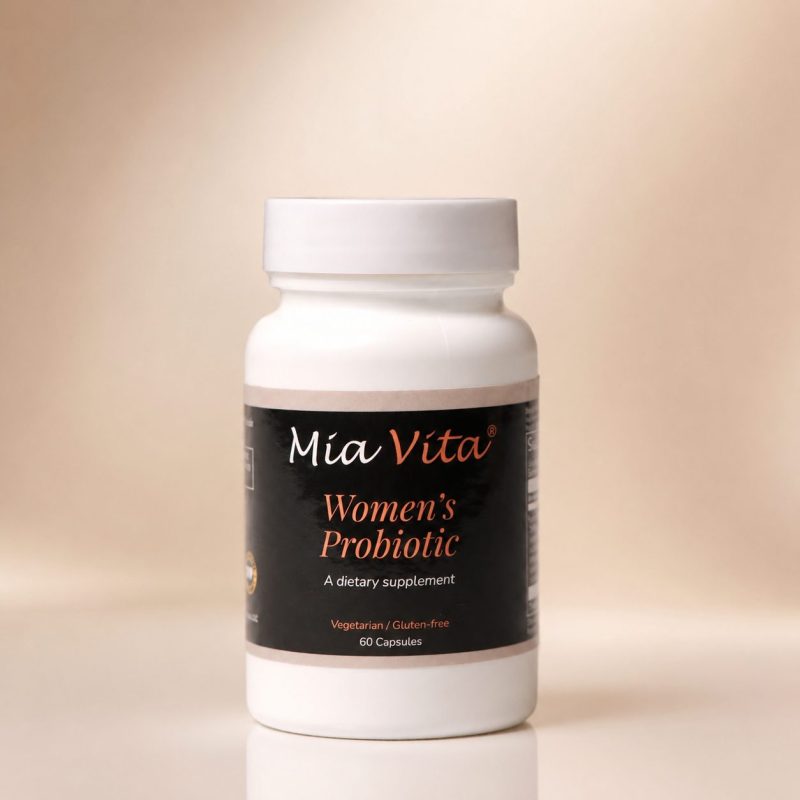
Mia Vita® Women’s Probiotic
Don’t just mask discomfort—solve it from within. While fiber provides the fuel, Mia Vita Women’s Probiotic restores your gut and vaginal microbiome simultaneously. This physician-trusted, science-backed formula works to beat the bloat for lasting balance and total body confidence.