
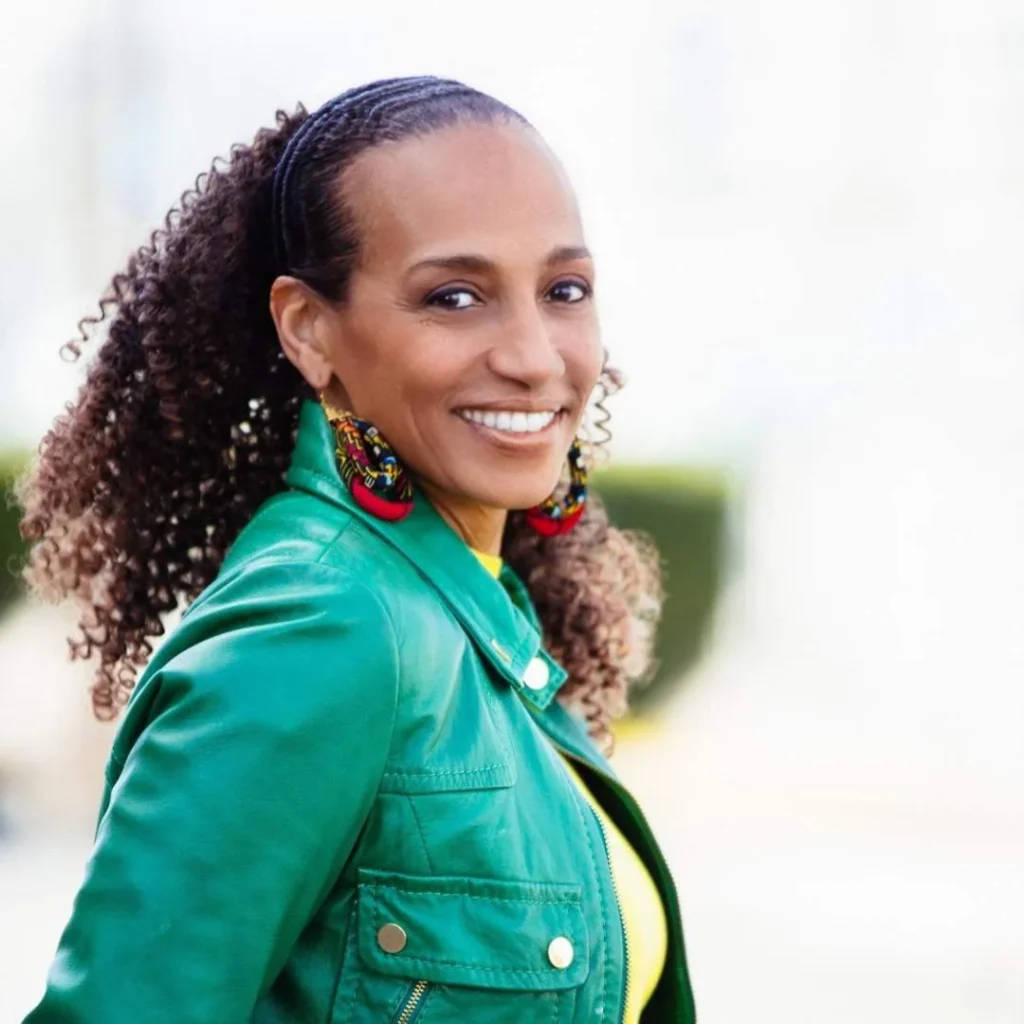
Empowering Women Throughout The Menopause Transition: Conversation With Denise Pines Founder, Tea Botanics  

Empowering Women Through The Menopause Transition: Conversation With Denise Pines -Founder, Tea Botanics  

As women entering perimenopause or menopause, we shouldn’t have to suffer through the process – we should be empowered by it.  

And that’s exactly what one menopause pioneer is doing.  

Recently, FemmePharma sat down with founder Denise Pines to discuss how she’s working to empower women through the menopause transition. She also discussed what we can do as a society to bring more awareness to this stage of life. 

Herbal products for menopausal relief 

Through Denise’s company, Tea Botanics, she offers all-natural, science-based solutions for common menopause symptoms such as hot flashes and brain fog. According to the Tea Botanics website, these products “address the cause of menopause and not just the symptoms”. They regulate the interaction of hormones in our bodies that cause the symptoms of menopause.  

Ingredients in these products include the following:  

Echinacea: Helps to improve how our bodies absorb nutrients and release toxins. 

GABA: Regulates our internal temperature and helps us maintain a sense of calm, balance, and mental clarity. 

Black cohosh: Used in Eastern herbal medicine for thousands of years, black cohosh helps balance hormones and improve sleep. 

Wild yams: A plant steroid, wild yam root can be produced to mimic estrogen, progesterone, and DHEA. These ingredients collectively alleviate discomfort for various menopausal symptoms like hot flashes and night sweats.  

These herbal supplements may be beneficial to you if you’re looking for menopause relief outside of traditional western medicine (such as hormone replacement therapy). Or in combination with it – a practice known as integrative medicine. Herbal supplements may also be helpful for those who are in treatment for ovarian or breast cancer and need all-natural, non-estrogen solutions for their symptoms. 

Menopause transition education and care gaps within the medical community 

Another key way we can empower women through menopause is to address the gaps in menopause education and medical care.  

As a general population, most of us have been taught very little about menopause. As it turns out, the medical community doesn’t know much more than we do. 

Typically, general practitioners — and even ObGyn providers — receive very little training in this area during medical school. So when women come to them with the symptoms of menopause, they may not immediately recognize menopause or perimenopause as the cause. Perhaps misdiagnosing heart palpitations as cardiovascular, or anxiety as mental illness, for example. 

It’s time to encourage the academic community to provide more training around menopause. Additionally, the medical community needs to invest more time taking courses and seminars on the topic. In doing so, they will be more equipped to identify the symptoms and help women through the process. 

Menopause and investment in women-led startups 

One would think that with half the world’s population experiencing menopause, it would no longer be considered a niche market. Unfortunately, that’s not the case.  

With the investment community being led primarily by men, it’s often difficult for women’s health start-ups to receive the investment funding they need to build a thriving business. This is partly due to gender bias – where we’re not valuing women’s perspectives in the same way we value men’s – and partly due to a lack of awareness. Men don’t see the issue – either because the women in their lives don’t talk about it, or they don’t know women who are currently going through it. Which brings us to our next point… 

Engaging men in the menopause conversation 

As women, we can take the lead on the menopause conversation by discussing it with the men in our lives – whether that’s our partner, brother, father, or even coworker. By actively discussing what we’re going through and normalizing it as the common phase of life that it is, we can bring awareness to the topic. Through conversation, we can encourage healthy dialogue, push for systemic change, and advocate for women’s health initiatives.  


The menopause transition can seem scary, but it can actually be quite liberating. And by promoting education and spreading awareness, we can encourage society to support us through it as we manage our symptoms and thrive in the latter third of our lives. 

Explore More Articles On Women’s Health

Previous

Science-Backed Women’s Health Products for Better Sleep & Intimate Wellness

Between the changing landscape of reproductive rights in the U.S. and the investment catch-up needed in female-specific discovery, many women feel their autonomy is under attack. When the systems designed to protect us fall short, it is our job at FemmePharma to ask: What can we do as a company to support women and their communities today? Our answer is prioritizing science-backed women’s health products and evidence-based knowledge that offer transparency and clinical integrity. By doing so, we empower women to be the CEOs of their own health journeys. We believe scientific equity grows from hard data and women being listened to in their medical concerns—ensuring they are treated with the appropriate care plans they deserve.

All of our FemmePharma products and supplements are available without a prescription and manufactured adhering to cGMP.

Here are four of our research-backed products that prioritize your holistic health.

1. Mia Vita® Sleep: Managing Stress and Cortisol for Better Rest

Stress is more than a feeling: It is a physiological drain. High levels of cortisol can disrupt the hormonal balance required for deep, restorative sleep, the foundation of clinical wellness. We designed our sleep supplement to help you bypass the information overload that too commonly crowds our minds. By prioritizing rest, you reclaim the cognitive bandwidth you need to show up for yourself and your life.

2. Mia Vita® Personal Lubricant & Moisturizer: Relief for Vaginal Dryness

Intimate health is a vital sign but often the first area to suffer during times of high stress or hormonal transition. No woman should have to struggle with vaginal dryness or discomfort. Our personal lubricant and vaginal moisturizer can help you. Made without hormones. and formulated with rigorous clinical research. It mirrors your body’s natural chemistry, ensuring you can always prioritize your intimate autonomy.

3. Mia vita® Intimate Skin Moisturizer: Relief for External Irritation and Sensitivity

The skin of the vulva is among the most sensitive on the body, and chronic stress often manifests as localized irritation or dryness. Our Intimate Skin Moisturizer provides a pharmaceutical-grade barrier against the discomfort associated with hormonal fluctuations. Maintaining the integrity of your external intimate skin is a key component of clinical literacy. It allows you to address symptoms before they escalate into larger health concerns.

4. Mia Vita® Hyaluronic Acid (Oral Dietary Supplement): Science-Backed Support for Skin, Joints, and Hair

When looking for long-term support for skin, nails, hair, and joints, science points to the power of high-quality hydration. Our Hyaluronic Acid supplement shows our commitment to scientific equity. With each capsule containing 40 mg of hyaluronic acid, we provide a solution for women who demand maximum benefit from their personal care. This supplement is designed to boost overall body health and confidence.

We founded Mia Vita® by FemmePharma on the belief that discovery drives progress in women’s health. As we face today’s challenges together, we remain your clinical filter—providing the science-backed products and knowledge you need to navigate your health journey on your own terms.

What is Cervical Cancer?

Cervical cancer is the uncontrolled growth of abnormal cells in the cervix, which is the lower part of the uterus that connects to the vagina. This usually is a slow process which develops over years starting with precancerous changes in the cervical cells.

Causes of cervical cancer?

Most cervical cancer is caused by a persistent infection by one or more of the high-risk types of human papillomavirus (HPV), particularly HPV types 16 and 18. While most people with HPV will clear or suppress the infection without an issue, some infections persist and can lead to precancerous changes that progress to cancer over time. Smoking and immune problems (such as HIV/AIDs or immunosuppression medications) increase the risk of developing this type of cancer.

Symptoms of cervical cancer?

Typically, there are no symptoms in the early stages, which is why regular screenings, such as Pap smears and HPV testing, are crucial for early detection. As the cancer progresses, some people may experience vaginal bleeding or discharge, pelvic pain or pain with sex.

Treatments for cervical cancer?

Prevention is the most important tool we have against cervical cancer. Regular Pap smears are recommended for people with a cervix to detect abnormal cell changes before they develop into cervical cancer. Often a small procedure to remove precancerous cells is all that is needed to prevent progression. Additionally, the HPV vaccine is a very effective preventive measure to reduce the risk of cervical cancer, especially when administered before the onset of sexual activity. The HPV vaccine is now recommended in females up to 45 years old, but has little harm at ages above that as well.

Once cervical cancer develops, the treatment varies greatly depending on the stage of the disease, how far it has spread, desire for childbearing in the future and overall health. Treatment can include a mix of surgery, radiation, chemotherapy, as well as some target and immunotherapy options. 

FemmePharma has been helping women navigate menopause for over two decades. No matter where you are in your journey, you deserve to have knowledgeable, intimate healthcare partners to help you feel your best. Explore our other articlespodcast episodes with women’s health experts, and products to ease your transition into menopause.

Get relief from vaginal dryness, itching, and burning

  • A box of Mia Vita® Personal Lubricant & Moisturizer with Hyaluronic Acid

    Mia Vita® Personal Lubricant & Moisturizer

    $63.00 available on subscription from Original price was: $63.00.Current price is: $49.00. / month
  • Mia Vita® Intimate Skin Moisturizer

    Mia Vita® Intimate Skin Moisturizer

    $49.00 available on subscription from Original price was: $49.00.Current price is: $34.30. / month
  • Mia Vita® Trial Pack

    Mia Vita® Trial Pack

    $29.00

Abnormal Bleeding

Abnormal uterine bleeding is an almost universal experience during perimenopause or within the first year after menopause and is responsible for an estimated one-third of visits to the gynecologist during this time in a woman’s life. It can lead to health complications such as anemia, fatigue, and pelvic pain, but it can also be caused by an underlying health condition requiring medical attention.  

Many conditions that cause abnormal bleeding become more prevalent with age, which can make it challenging to distinguish one of these conditions from the irregular periods that typically happen during perimenopause. Following is a summary of some of the causes and symptoms of abnormal and irregular uterine bleeding. 

What Is Meant by Abnormal Uterine Bleeding? 

Menstrual cycles normally span from 26 to 35 days, with bleeding for 3 to 7 days and flow that is not excessively heavy, i.e., doesn’t require pad or tampon changes every hour for multiple hours at a time. Anything outside of those ranges is considered abnormal. Bleeding or spotting after sex or between periods is also abnormal. Additionally, having an underlying health condition that impairs clotting or taking certain medications can also cause abnormal bleeding during perimenopause and menopause. It’s important to mention that any bleeding after menopause is always considered abnormal.  

What Are Irregular Periods and What Causes Them? 

During perimenopause and menopause, the erratic fluctuations of hormones cause periods to become irregular. Perimenopause involves living with the uncertainty of never knowing when, or if, your period will start or stop. When estrogen levels are low, period cycles are shortened, arriving one after the other in rapid succession. When ovulation doesn’t occur (known as an anovulatory cycle), the cycle lengthens. But whether period cycles are shortened or lengthened, all the familiar premenstrual symptoms of bloating, mood swings, and breast tenderness can be present… and seemingly constant.  

Period flow can also be lighter than normal—more like heavy spotting than an actual period—or can be extra heavy, such as after an anovulatory cycle. When this happens, the unshed endometrial lining combines with the current cycle, resulting in an unusually heavy flow. Or continuous bleeding and/or spotting can go on for weeks at a time (the proverbial “never-ending period” of perimenopause). Additionally, it’s not uncommon to have spotting or bleeding in between periods. Though normal for this phase of life, these symptoms of perimenopause can be stressful and disruptive.  

What Are Some Other Causes of Abnormal Bleeding During Peri-menopause? 

In addition to fluctuating hormones leading to irregular periods, the American College of Obstetricians and Gynecologists lists four of the most common conditions that cause abnormal uterine bleeding, including: 

  • Endometrial Atrophy: a thinning of the uterine lining due to lack of estrogen and progesterone. When the endometrium atrophies, friction can cause erosions along the endometrial surface. This can trigger inflammation, which can lead to bleeding. An estimated 25–48% of menopausal women experience abnormal uterine bleeding due to endometrial atrophy. 
  • Uterine Polyps (also known as endometrial polyps): small finger-like growths of endometrial tissue that project into the interior of the uterus. These most commonly affect women between the ages of 40 and 49. Endometrial polyps have their own blood supply and may respond differently to estrogen and progesterone compared to the endometrial tissue around them, which can lead to symptoms of abnormal bleeding. Up to 68% of women who undergo a uterine biopsy for abnormal uterine bleeding are found to have endometrial polyps.  
  • Endometrial Hyperplasia: an overgrowth of the endometrium caused by a hormonal imbalance in which estrogen levels become increased relative to the levels of progesterone. A woman’s risk for endometrial hyperplasia increases as she enters perimenopause, and endometrial hyperplasia increases the risk of developing endometrial cancer.  

In endometrial hyperplasia, the endometrial cells may retain their normal structure and function, or there may be changes to the cells. In women between the ages of 50 and 54 with endometrial hyperplasia, cell structure is usually intact, while changes to the structure of the endometrial cells are most commonly seen in women between the ages of 60 and 64. An ultrasound is used to determine the presence of endometrial hyperplasia and is followed up, as needed, with an endometrial biopsy to evaluate the endometrial cells.   

  • Endometrial cancer is the fourth most common cancer among women. Type I, or estrogen-dependent endometrial cancer, is the most common. Obesity is a major risk factor and is present in 70% of cases. This is due to the ability of fat to store estrogen, thereby increasing estrogen levels in the body and promoting an estrogen–progesterone imbalance. Type II endometrial cancer is non-estrogen-dependent and accounts for 10–20% of cases.  

While perimenopausal irregular periods are “self-resolving” over time, other causes of abnormal bleeding during perimenopause require medical help. Always consult your doctor if you are experiencing or suspect abnormal bleeding.   


FemmePharma has been helping women navigate menopause for over two decades. No matter where you are in your journey, you deserve to have knowledgeable, intimate healthcare partners to help you feel your best. Explore our other articlespodcast episodes with women’s health experts, and products to ease your transition into menopause.

Shop FemmePharma Intimate Skincare

  • A box of Mia Vita® Personal Lubricant & Moisturizer with Hyaluronic Acid

    Mia Vita® Personal Lubricant & Moisturizer

    $63.00 available on subscription from Original price was: $63.00.Current price is: $49.00. / month
  • Mia Vita® Intimate Skin Moisturizer

    Mia Vita® Intimate Skin Moisturizer

    $49.00 available on subscription from Original price was: $49.00.Current price is: $34.30. / month
  • Mia Vita® Trial Pack

    Mia Vita® Trial Pack

    $29.00
Next
Shopping Cart