

March 1 marks National Dress in Blue Day. On the first Friday of March, those who are afflicted with colon cancer – along with their allies and supporters – wear blue to bring awareness to this disease and promote Colorectal Cancer Awareness Month.
Though highly preventable, colon cancer is often a silent and deadly disease. While colorectal cancer affects both men and women, there are specific nuances and considerations regarding its impact on women that we should be aware of.
What is colorectal cancer?
Colorectal cancer, often referred to as bowel cancer or colon cancer, originates in the colon or rectum. It may start as benign growths called polyps, which can become cancerous if not detected and removed. The disease ranks as the third most common cancer diagnosed in both men and women and is the second leading cause of cancer-related deaths in the United States.
Colorectal cancer in women
While historically seen as a disease primarily affecting men, colorectal cancer is increasingly affecting women. In fact, recent studies suggest that women may be at higher risk of dying from colorectal cancer than men due to factors such as hormonal differences and unique symptoms that may delay diagnosis.
What are the symptoms of colon cancer in women?
It’s important to identify the signs and symptoms of colorectal cancer in women to identify the disease and treat it effectively. Though the symptoms noted below may seem just part of normal gastrointestinal distress or indigestion, it’s important to take note of them as they can signal the early stages of colorectal cancer. Symptoms may include:
Changes in bowel habits
- Some of us may find it uncomfortable to pay attention to or discuss our bowel habits. However, if you notice changes — such as persistent diarrhea, constipation, or stool consistency – mention these to your doctor right away. It’s important to screen for and identify (or rule out) colon cancer when these changes occur.
- Rectal bleeding or blood in stool
- Again, this may be uncomfortable to discuss, but it’s important to note unexplained bleeding or blood in your stool and make an appointment with your primary care provider to investigate it further.
- Abdominal discomfort
- Persistent abdominal pain, cramping, or bloating may signal colorectal issues.
- Unexplained weight loss
- Significant and unexplained weight loss – without changes in diet or exercise – warrants medical attention.
- Fatigue or weakness
- If you feel more tired and rundown than usual, make an appointment with your doctor. Chronic fatigue or weakness not attributable to other factors should be evaluated.
What are the treatment options for colorectal cancer?
Treatment for colorectal cancer varies depending on the stage and individual patient factors, but often includes a combination of surgery, chemotherapy, radiation therapy, and targeted drug therapy. Early detection significantly improves treatment outcomes, highlighting the importance of regular screenings and awareness of symptoms.
Screening guidelines for women
Given the increasing incidence of colorectal cancer in younger populations, screening guidelines have evolved to recommend earlier initiation of screenings. While guidelines may vary slightly, most medical organizations recommend regular colorectal cancer screening starting at age 45 for average-risk individuals. However, women with certain risk factors, such as a family history of colorectal cancer or inflammatory bowel disease, may need to begin screening earlier.
As we observe Colorectal Cancer Awareness Month, it’s essential to recognize that colorectal cancer impacts women uniquely. Increased awareness, early detection, and proactive screening are crucial steps in reducing the burden of this disease on women’s health.
By understanding the signs and symptoms, advocating for timely screenings, and supporting ongoing research and education efforts, we can make significant strides in the fight against colorectal cancer for women and all individuals at risk. Let’s empower ourselves and our communities to prioritize colorectal health and save lives.
Science-Backed Women’s Health Products for Better Sleep & Intimate Wellness
Between the changing landscape of reproductive rights in the U.S. and the investment catch-up needed in female-specific discovery, many women feel their autonomy is under attack. When the systems designed to protect us fall short, it is our job at FemmePharma to ask: What can we do as a company to support women and their communities today? Our answer is prioritizing science-backed women’s health products and evidence-based knowledge that offer transparency and clinical integrity. By doing so, we empower women to be the CEOs of their own health journeys. We believe scientific equity grows from hard data and women being listened to in their medical concerns—ensuring they are treated with the appropriate care plans they deserve.
All of our FemmePharma products and supplements are available without a prescription and manufactured adhering to cGMP.
Here are four of our research-backed products that prioritize your holistic health.
1. Mia Vita® Sleep: Managing Stress and Cortisol for Better Rest
Stress is more than a feeling: It is a physiological drain. High levels of cortisol can disrupt the hormonal balance required for deep, restorative sleep, the foundation of clinical wellness. We designed our sleep supplement to help you bypass the information overload that too commonly crowds our minds. By prioritizing rest, you reclaim the cognitive bandwidth you need to show up for yourself and your life.
2. Mia Vita® Personal Lubricant & Moisturizer: Relief for Vaginal Dryness
Intimate health is a vital sign but often the first area to suffer during times of high stress or hormonal transition. No woman should have to struggle with vaginal dryness or discomfort. Our personal lubricant and vaginal moisturizer can help you. Made without hormones. and formulated with rigorous clinical research. It mirrors your body’s natural chemistry, ensuring you can always prioritize your intimate autonomy.
3. Mia vita® Intimate Skin Moisturizer: Relief for External Irritation and Sensitivity
The skin of the vulva is among the most sensitive on the body, and chronic stress often manifests as localized irritation or dryness. Our Intimate Skin Moisturizer provides a pharmaceutical-grade barrier against the discomfort associated with hormonal fluctuations. Maintaining the integrity of your external intimate skin is a key component of clinical literacy. It allows you to address symptoms before they escalate into larger health concerns.
4. Mia Vita® Hyaluronic Acid (Oral Dietary Supplement): Science-Backed Support for Skin, Joints, and Hair
When looking for long-term support for skin, nails, hair, and joints, science points to the power of high-quality hydration. Our Hyaluronic Acid supplement shows our commitment to scientific equity. With each capsule containing 40 mg of hyaluronic acid, we provide a solution for women who demand maximum benefit from their personal care. This supplement is designed to boost overall body health and confidence.
We founded Mia Vita® by FemmePharma on the belief that discovery drives progress in women’s health. As we face today’s challenges together, we remain your clinical filter—providing the science-backed products and knowledge you need to navigate your health journey on your own terms.
Neurodivergent Women: Redefining Wellness in Midlife
For many women in midlife, wellness can start to feel… complicated. What once worked suddenly doesn’t. Energy dips, focus shifts, sleep becomes unpredictable—and the advice that used to feel manageable now feels impossible to maintain.
For neurodivergent women—especially those with ADHD, autism, or sensory processing differences—this disconnect can feel even more pronounced. And at the center of it all is a label that has quietly shaped expectations for years: “high-functioning.”
Let’s talk about why that label deserves a second look—and how we can redefine wellness in a way that actually works.
The “High-Functioning” Label for Neurodivergent Women
“High-functioning” is often used to describe women who appear to manage life well on the surface. They have careers, families, responsibilities—and from the outside, everything looks “together.”
But this label hides more than it reveals. What it often really means is:
- Masking exhaustion behind productivity
- Overcompensating to meet expectations
- Internalizing overwhelm instead of expressing it
Many neurodivergent women have spent decades learning how to “pass” in a world that wasn’t designed for their brains. By midlife, that effort catches up.
Add perimenopause or menopause into the mix, and the systems that once held everything together—routines, memory strategies, emotional regulation—can start to unravel.
Why Traditional Wellness Advice Can Fall Short
Mainstream wellness advice often assumes consistency, predictability, and a certain level of cognitive bandwidth. Think:
- Wake up early
- Stick to a rigid routine
- Meal prep weekly
- Exercise at the same time every day
- Practice daily meditation
For neurotypical people, these habits can feel grounding. For neurodivergent women, they can feel like an impossible standard.
Neurodivergent brains often operate with:
- Variable energy levels
- Executive function challenges
- Sensory sensitivities
- Dopamine-driven motivation cycles
And here’s where midlife hormones come in.
Estrogen plays a significant role in regulating dopamine—the neurotransmitter tied to motivation, focus, and reward. As estrogen levels fluctuate and decline during perimenopause and menopause, dopamine activity can also shift.
For women with ADHD in particular, this can mean:
- Increased brain fog
- Reduced motivation
- Greater emotional sensitivity
- Difficulty initiating or completing tasks
So when traditional wellness advice says, “Just stay consistent,” it overlooks a critical reality: consistency is biologically harder during this stage of life.
Common Wellness Barriers for Neurodivergent Women
Understanding the barriers is the first step toward building something better.
1. Executive Function Fatigue
Planning, organizing, and following through can feel draining—especially when every task requires conscious effort.
2. All-or-Nothing Thinking
If a routine can’t be done perfectly, it’s often abandoned entirely.
3. Sensory Overload
Busy gyms, loud classes, or even certain fabrics can make wellness activities feel uncomfortable rather than restorative.
4. Burnout Cycles
Periods of overproductivity are often followed by crashes, making it hard to maintain steady habits.
5. Invisible Emotional Labor
Years of masking and self-monitoring can lead to chronic stress and exhaustion.
ADHD Wellness Strategies
Instead of trying to force your life into a traditional wellness framework, it’s time to build one that fits you.
Here are practical, realistic strategies rooted in how neurodivergent brains actually function:
1. Shift from Rigid Routines to Flexible Rhythms
Rather than committing to doing something at the same time every day, create “anchor points.”
For example:
- Move your body sometime in the morning
- Prepare a simple meal when hunger cues appear
- Wind down when your energy dips—not when the clock says so
Flexibility reduces pressure—and increases follow-through.
2. Use Dopamine-Friendly Motivation
Try:
- Pairing tasks with something enjoyable (music, podcasts)
- Breaking tasks into micro-steps
- Rewarding completion immediately (not later)
This aligns with how dopamine-driven systems actually work.
3. Redefine Movement
Exercise doesn’t have to mean structured workouts.
For sensory-friendly options:
- Walking outdoors
- Gentle stretching at home
- Short bursts of movement throughout the day
Consistency matters less than sustainability.
4. Simplify Nutrition Without Overwhelm
Meal prep doesn’t have to mean elaborate planning.
Instead:
- Keep “safe foods” on hand
- Rotate a few simple meals
- Focus on adding nutrients—not perfecting meals
Reducing decision fatigue is key.
5. Build Rest Into Your System
Rest isn’t something you earn—it’s something you require.
For neurodivergent women, this may include:
- Quiet, low-stimulation time
- Sensory resets (dim lighting, calming environments)
- Intentional breaks between tasks
This helps prevent burnout cycles before they start.
6. Drop the Mask Where You Can
Not every space is safe—but some are.
Whether it’s with a friend, partner, or community, allowing yourself to be seen without overcompensating can be regulating.
Wellness Redefined for Neurodivergent Women’s Health
Wellness for neurodivergent women in midlife is about:
- Honoring your energy instead of overriding it
- Working with your brain instead of against it
- Letting go of systems that were never built for you
The “high-functioning” label may have helped you navigate earlier chapters of life—but you don’t have to carry it forward.
Because the goal isn’t to function better. It’s to live better.
And that starts with a wellness approach that finally meets you where you are.
Midlife transitions can feel like total sensory overload. If standard wellness feels like just another chore, try supporting your system with targeted solutions made without hormones. Our Mia Vita® Sleep supplement signals your nervous system that it’s safe to drift into deep, restorative rest.
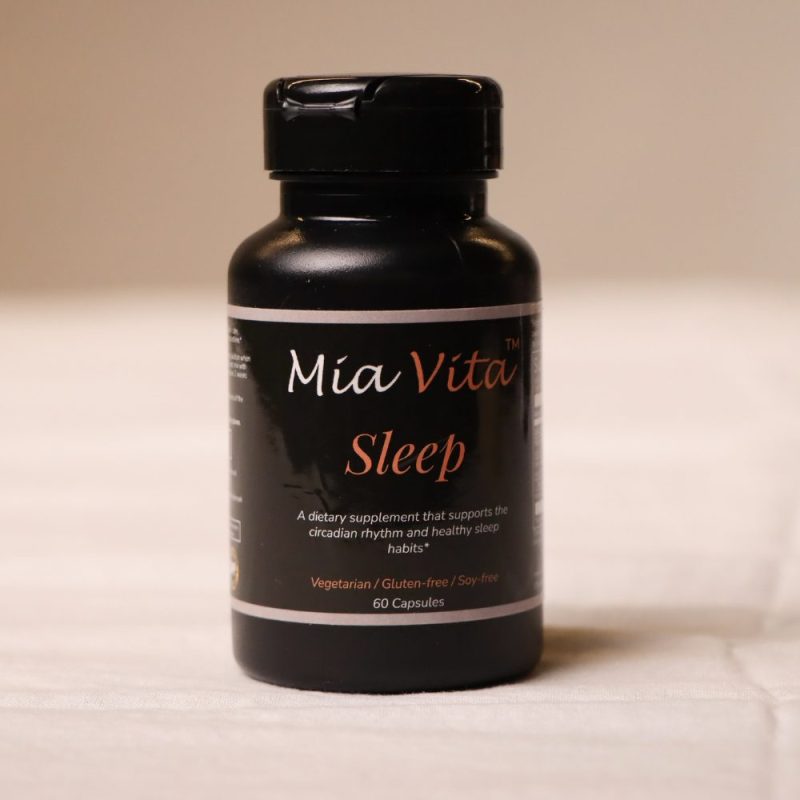
Mia Vita® Sleep
Fall Asleep Faster. Stay Asleep Longer.
If you struggle with falling asleep, tossing and turning, or waking up groggy, Mia Vita® Sleep is your new nighttime ritual. This science-backed, non-habit-forming supplement is designed to help you drift into deep, restorative sleep — naturally. Promotes relaxation and better sleep.
Is “Natural” Safe? Vaginal Health Tips from Dr. Mona Hardas
On social media, the words “healthy” and “natural” are everywhere with suggestions on how to make our vaginas smell and feel better. However, navigating the noise to find the truth about vaginal health requires looking past the trends and toward the science. As a pharmaceutical company that uses cGMP (current good manufacturing practices) for all of our products, we know that “natural” is not a clinical standard, and that “healthy” can mean a lot of things.
Listen up, FemmePharma friends: When it comes to intimate care, your kitchen cabinet is not the place to be.
We sat down with Dr. Mona Hardas, a member of our Medical Advisory Council and a gynecologist with 27 years of experience, who focuses on cosmetic gynecology. We clarified the pharmaceutical-grade truth on what belongs (and what definitely doesn’t) in your body.
The Clinical Guide to Vaginal Health: pH Balance, Standards, and Safe Care
1. The pH Reality: 3.8 to 4.5
The vagina is a self-cleansing, sophisticated ecosystem, and maintaining this balance is the cornerstone of vaginal health. Its primary defense is its acidity, maintaining a pH between 3.8 and 4.5. This acidic environment allows the good bacteria (Lactobacillus) to thrive, while keeping infections like Bacterial Vaginosis (BV) and yeast at bay.
2. Say “No” to Household Hacks
Marketing tends to distort the science of “natural” products, but Dr. Hardas is clear:
- Soap is Alkaline: Most soaps are alkaline. Using them inside the vagina neutralizes the acidity, killing off the good bacteria and inviting BV and yeast infections.
- Vinegar is Too Acidic: With a pH of less than 3, vinegar is corrosive to delicate tissue. Using it can cause vaginal burns and destroy your internal balance.
3. The 3 Non-Negotiable Standards
To achieve scientific equity and maintain your intimate health, Dr. Hardas recommends checking your labels for these three standards:
- Use water-based products (and avoid oil-based ones, like coconut oil, which can trap heat and bacteria inside the vaginal canal).
- Hyaluronic Acid retains moisture without disrupting the microbiome.
- Go for fragrance & chemical-free – your vagina is not supposed to smell like a garden! Your vagina has its own scent (you know what is), and when it’s off, you’ll know it, too. Remember to consult with your OB/GYN when you have questions.
It’s a common myth that household items are safe because they are “natural.” In reality, food-based oils can disrupt your vaginal pH, trap bacteria, and even degrade latex condoms. For a solution that is actually designed for your body’s most sensitive chemistry, choose Mia Vita® Personal Lubricant. Unlike kitchen cupboard substitutes, it is FDA-cleared and made without hormones, providing a clean, high-viscosity glide that mimics your body’s natural moisture without the risk of infection.
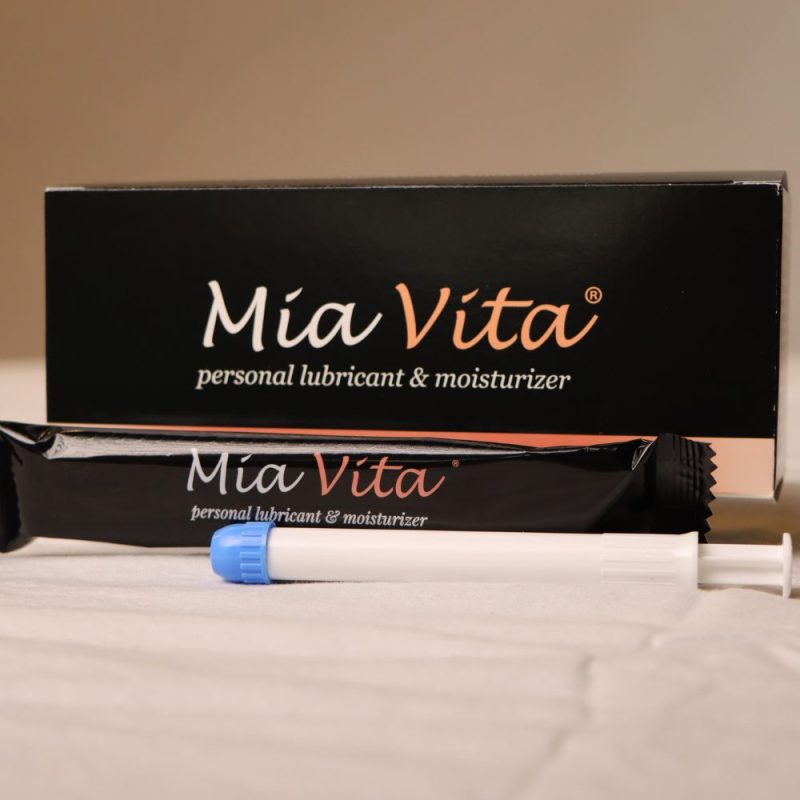
Mia Vita® Personal Lubricant & Moisturizer
Women’s preferred Mia Vita® Personal Lubricant & Vaginal Moisturizer relieves vaginal dryness on contact. Reduces vaginal discomfort and painful sex by restoring your natural lubrication. Enjoy sex again! Formulated with natural ingredients like Hyaluronic Acid and Vitamin E and made without hormones. 10 single-use prefilled applicators per box. Use as a daily vaginal moisturizer and also as a personal lubricant during intercourse.