

For many women in midlife, wellness can start to feel… complicated. What once worked suddenly doesn’t. Energy dips, focus shifts, sleep becomes unpredictable—and the advice that used to feel manageable now feels impossible to maintain.
For neurodivergent women—especially those with ADHD, autism, or sensory processing differences—this disconnect can feel even more pronounced. And at the center of it all is a label that has quietly shaped expectations for years: “high-functioning.”
Let’s talk about why that label deserves a second look—and how we can redefine wellness in a way that actually works.
The “High-Functioning” Label for Neurodivergent Women
“High-functioning” is often used to describe women who appear to manage life well on the surface. They have careers, families, responsibilities—and from the outside, everything looks “together.”
But this label hides more than it reveals. What it often really means is:
- Masking exhaustion behind productivity
- Overcompensating to meet expectations
- Internalizing overwhelm instead of expressing it
Many neurodivergent women have spent decades learning how to “pass” in a world that wasn’t designed for their brains. By midlife, that effort catches up.
Add perimenopause or menopause into the mix, and the systems that once held everything together—routines, memory strategies, emotional regulation—can start to unravel.
Why Traditional Wellness Advice Can Fall Short
Mainstream wellness advice often assumes consistency, predictability, and a certain level of cognitive bandwidth. Think:
- Wake up early
- Stick to a rigid routine
- Meal prep weekly
- Exercise at the same time every day
- Practice daily meditation
For neurotypical people, these habits can feel grounding. For neurodivergent women, they can feel like an impossible standard.
Neurodivergent brains often operate with:
- Variable energy levels
- Executive function challenges
- Sensory sensitivities
- Dopamine-driven motivation cycles
And here’s where midlife hormones come in.
Estrogen plays a significant role in regulating dopamine—the neurotransmitter tied to motivation, focus, and reward. As estrogen levels fluctuate and decline during perimenopause and menopause, dopamine activity can also shift.
For women with ADHD in particular, this can mean:
- Increased brain fog
- Reduced motivation
- Greater emotional sensitivity
- Difficulty initiating or completing tasks
So when traditional wellness advice says, “Just stay consistent,” it overlooks a critical reality: consistency is biologically harder during this stage of life.
Common Wellness Barriers for Neurodivergent Women
Understanding the barriers is the first step toward building something better.
1. Executive Function Fatigue
Planning, organizing, and following through can feel draining—especially when every task requires conscious effort.
2. All-or-Nothing Thinking
If a routine can’t be done perfectly, it’s often abandoned entirely.
3. Sensory Overload
Busy gyms, loud classes, or even certain fabrics can make wellness activities feel uncomfortable rather than restorative.
4. Burnout Cycles
Periods of overproductivity are often followed by crashes, making it hard to maintain steady habits.
5. Invisible Emotional Labor
Years of masking and self-monitoring can lead to chronic stress and exhaustion.
ADHD Wellness Strategies
Instead of trying to force your life into a traditional wellness framework, it’s time to build one that fits you.
Here are practical, realistic strategies rooted in how neurodivergent brains actually function:
1. Shift from Rigid Routines to Flexible Rhythms
Rather than committing to doing something at the same time every day, create “anchor points.”
For example:
- Move your body sometime in the morning
- Prepare a simple meal when hunger cues appear
- Wind down when your energy dips—not when the clock says so
Flexibility reduces pressure—and increases follow-through.
2. Use Dopamine-Friendly Motivation
Try:
- Pairing tasks with something enjoyable (music, podcasts)
- Breaking tasks into micro-steps
- Rewarding completion immediately (not later)
This aligns with how dopamine-driven systems actually work.
3. Redefine Movement
Exercise doesn’t have to mean structured workouts.
For sensory-friendly options:
- Walking outdoors
- Gentle stretching at home
- Short bursts of movement throughout the day
Consistency matters less than sustainability.
4. Simplify Nutrition Without Overwhelm
Meal prep doesn’t have to mean elaborate planning.
Instead:
- Keep “safe foods” on hand
- Rotate a few simple meals
- Focus on adding nutrients—not perfecting meals
Reducing decision fatigue is key.
5. Build Rest Into Your System
Rest isn’t something you earn—it’s something you require.
For neurodivergent women, this may include:
- Quiet, low-stimulation time
- Sensory resets (dim lighting, calming environments)
- Intentional breaks between tasks
This helps prevent burnout cycles before they start.
6. Drop the Mask Where You Can
Not every space is safe—but some are.
Whether it’s with a friend, partner, or community, allowing yourself to be seen without overcompensating can be regulating.
Wellness Redefined for Neurodivergent Women’s Health
Wellness for neurodivergent women in midlife is about:
- Honoring your energy instead of overriding it
- Working with your brain instead of against it
- Letting go of systems that were never built for you
The “high-functioning” label may have helped you navigate earlier chapters of life—but you don’t have to carry it forward.
Because the goal isn’t to function better. It’s to live better.
And that starts with a wellness approach that finally meets you where you are.
Midlife transitions can feel like total sensory overload. If standard wellness feels like just another chore, try supporting your system with targeted solutions made without hormones. Our Mia Vita® Sleep supplement signals your nervous system that it’s safe to drift into deep, restorative rest.
About the Author
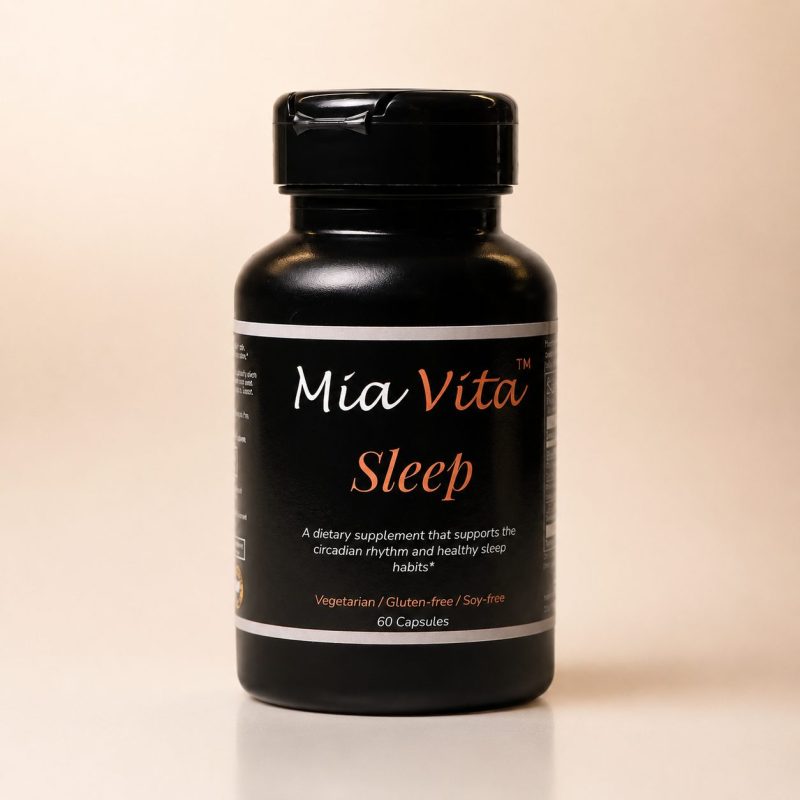
Mia Vita® Sleep
Fall Asleep Faster. Stay Asleep Longer.
If you struggle with falling asleep, tossing and turning, or waking up groggy, Mia Vita® Sleep is your new nighttime ritual. This science-backed, non-habit-forming supplement is designed to help you drift into deep, restorative sleep — naturally. Promotes relaxation and better sleep.