

What Does Perimenopause/Menopause Fatigue Feel Like?
Perimenopause/Menopause fatigue can be an overwhelming experience, affecting every aspect of a woman’s life. Imagine waking up after a full night’s sleep still feeling exhausted, with a sense of drained energy that lingers throughout the day. You might find yourself struggling with low motivation, a lack of concentration, and a general sense of lethargy.
This persistent tiredness can significantly lower your quality of life, making everyday tasks feel like monumental challenges. Hormonal changes during Perimenopause/Menopause, such as fluctuating levels of estrogen and progesterone, contribute to this fatigue by disrupting sleep patterns, reducing energy production, and affecting mood and cognitive function.
The Emotional and Psychological Impact of Perimenopause/ Menopause Fatigue
Perimenopause/Menopause fatigue doesn’t just affect your physical state; it also takes a toll on your emotional and psychological well-being. Chronic fatigue can lead to feelings of frustration, irritability, and sadness. The inability to perform daily activities with the same vigor can diminish your self-esteem and confidence. Over time, this can contribute to anxiety and depression, creating a cycle that’s hard to break.
The Role of Food and Nutrition in Combating Perimenopause/ Menopause Fatigue
Fortunately, food and nutrition play a crucial role in managing and alleviating Perimenopause/Menopause fatigue. By making mindful dietary choices, you can support your body through this transition and improve your energy levels. Here are some essential foods and nutrients to include in your diet:

1. Complex Carbohydrates
Complex carbohydrates, such as whole grains, oats, and brown rice, provide a steady source of energy. They are rich in fiber, which helps regulate blood sugar levels, preventing the spikes and crashes that can lead to fatigue. Studies have shown that diets high in whole grains are associated with improved energy levels and reduced feelings of fatigue.
2. Lean Proteins

Proteins are vital for repairing and building tissues, and they also play a role in maintaining balanced blood sugar levels. Incorporate lean proteins such as chicken, turkey, fish, beans, and legumes into your meals. Research has shown that protein intake is directly linked to better muscle mass maintenance and energy levels, which are crucial during Perimenopause/Menopause.
3. Healthy Fats
Healthy fats, such as those found in avocados, nuts, seeds, and olive oil, are essential for hormone production and brain health. A diet rich in omega 3 fatty acids can help alleviate symptoms of

Perimenopause/Menopause, including fatigue and mood swings by promoting hormone balance and reducing inflammation. Omega-3s can also aid in managing joint pain, hot flashes, and even vaginal dryness, making them a beneficial addition to your diet during Perimenopause/Menopause.
4. Vitamins and Minerals
Certain vitamins and minerals are particularly beneficial for combating Perimenopause/Menopause fatigue:
- Vitamin B12: Essential for energy production and neurological function. Sources include meat, dairy products, and fortified cereals.
- Vitamin D: Supports bone health and immune function. Sun exposure, fatty fish, and fortified foods are good sources.
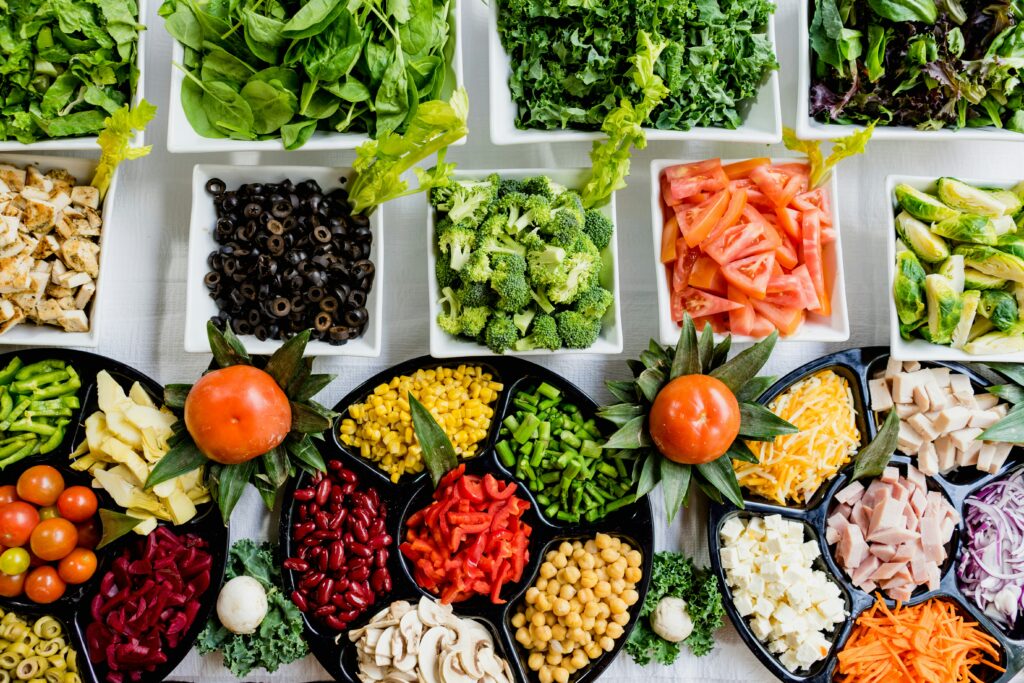
- Magnesium: Helps with muscle relaxation and sleep quality. Found in leafy greens, nuts, seeds, and whole grains.
- Iron: Essential for preventing anemia, which can cause fatigue. This is especially relevant during periPerimenopause/Menopause when women still experience regular menstrual cycles and thus have a higher risk of iron deficiency. Foods rich in iron include red meat, spinach, and lentils.
- Zinc: Supports immune function and can help in the regulation of mood and energy levels. Found in meat, shellfish, legumes, and seeds.
5. Hydration
Staying hydrated is often overlooked but is crucial for maintaining energy levels. Dehydration can lead to feelings of tiredness and decreased concentration. Aim to drink at least eight glasses of water a day, and more if you are physically active.
Practical Tips for a Balanced Diet
- Plan your meals: Preparing balanced meals ahead of time ensures you include a variety of nutrients.
- Eat small, frequent meals: This helps maintain steady blood sugar levels throughout the day.
- Limit caffeine, and sugar: While they may provide a temporary energy boost, they often lead to crashes that worsen fatigue.
- Include snacks: Healthy balanced snacks like nuts, yogurt, and raw vegetables with hummus can help maintain energy levels between meals.
Here are some recipes to help with your Perimenopause/Menopause fatigue:
- Breakfast: Scrambled Eggs with Smoked Salmon (includes a plant-based option)
- Lunch: Turkey and Avocado Lettuce Wraps (includes a plant-based option)
- Dinner: Baked Cod with Sautéed Spinach and Brown Rice (includes a plant-based option)
Perimenopause/Menopause fatigue is a common but manageable symptom of the menopausal transition. By focusing on a diet rich in complex carbohydrates, lean proteins, healthy fats, and essential vitamins and minerals, you can significantly improve your energy levels and overall well-being.