
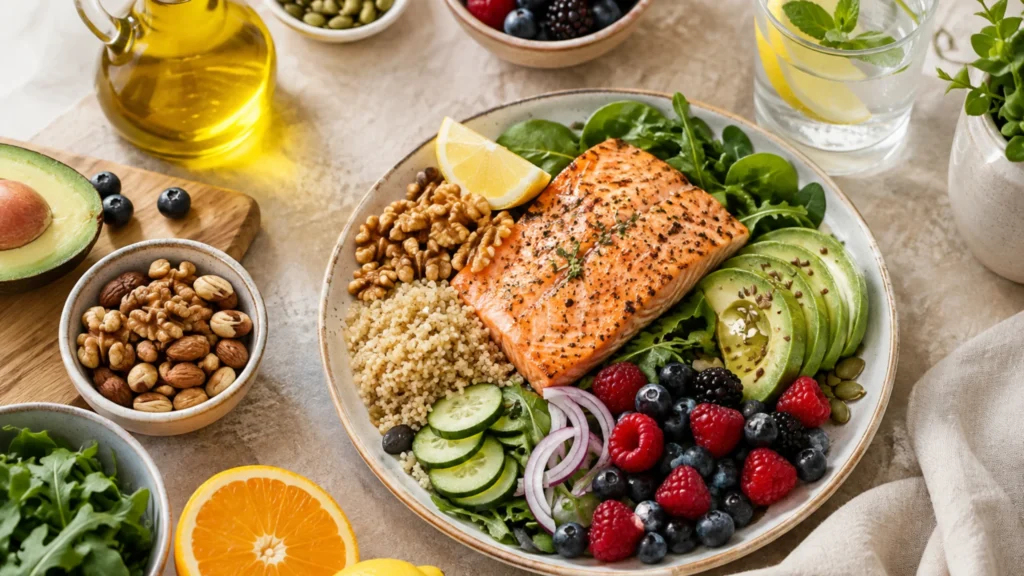
Diet and vaginal dryness are more closely connected than many women realize. Vaginal dryness is common during perimenopause and menopause, but hormones are only part of the story. The foods you eat also influence the health of your vulvar and vaginal tissues. Research suggests that healthy fats, hydration, and key nutrients help maintain skin integrity. Restrictive diets and rapid weight loss, however, may contribute to dryness and discomfort. Understanding this connection can help you support intimate health from the inside out.
Can Your Diet Affect Vaginal Dryness?
Yes. Like the skin on your face, vulvar and vaginal tissues need a steady supply of nutrients to remain soft, resilient, and well hydrated. They rely on healthy fats, protein, vitamins, minerals, and adequate fluid intake to maintain their structure and protective barrier.
Nutrition also influences inflammation, tissue repair, and the microbiome. These factors work together within the pelvic ecosystem. Although food cannot replace the effects of declining estrogen, a balanced diet can provide the raw materials needed to support intimate skin care and tissue health.
The Pelvic Ecosystem: Why Nutrition Matters Down There
The vulva and vagina contain specialized tissues supported by collagen, elastin, lipids, and a healthy blood supply. The vulvar skin also has a lipid barrier. This barrier reduces moisture loss and helps protect against friction and irritation.
Below the skin is a natural layer of adipose tissue. It cushions sensitive structures and helps protect them during movement and intimacy. As estrogen levels decline during perimenopause and menopause vulvar and vaginal tissues can become thinner, drier, and less elastic. Research also shows that menopause-related changes in vaginal pH and Lactobacillus levels can affect vaginal comfort and resilience.
Nutrition cannot prevent every age-related change. However, it can support cell membranes, collagen production, healing, and antioxidant defenses.
When Dieting Backfires: Low-Fat Diets and Rapid Weight Loss
Strict low-fat diets may leave women short of essential fatty acids. These fats help build cell membranes and maintain the skin’s moisture-retaining lipid barrier. When fat intake remains too low, the skin may become more vulnerable to dryness and irritation.
Rapid weight loss can also reduce the adipose tissue that naturally cushions the vulva. This loss of padding may increase sensitivity, friction, or discomfort. The risk may be greater when weight loss is accompanied by inadequate protein and micronutrient intake.
Nutrient deficiencies can further affect vulvar skin health. Protein supports tissue repair and collagen formation. Vitamins A, C, D, and E, along with zinc, also support skin structure, antioxidant protection, healing, and vaginal health. Therefore, healthy weight loss should preserve muscle, provide enough healthy fat, and avoid unnecessary restriction.
Foods for Vaginal Health: Rebuilding Moisture from Within
A varied, nutrient-dense diet can help nourish delicate tissues and support hydration. Useful foods for vaginal health include:
- Oily fish, such as salmon, sardines, and mackerel, for omega-3 fatty acids.
- Extra-virgin olive oil, avocado, walnuts, chia seeds, and ground flaxseed for healthy fats.
- Eggs, poultry, fish, beans, lentils, tofu, and Greek yogurt for protein.
- Berries, citrus fruit, bell peppers, and leafy greens for vitamin C and antioxidants.
- Pumpkin seeds, seafood, beans, and lentils for zinc.
- Water-rich foods, including cucumber, melon, oranges, berries, and soups.
Research on sea buckthorn oil has also reported improvements in vaginal tissue integrity among postmenopausal women with vaginal dryness. However, one food or supplement should never be viewed as a complete solution.
Additionally, drink fluids regularly throughout the day. Pale-yellow urine usually indicates good hydration, while darker urine may mean you need more fluids. Fermented foods, including live yogurt and kefir, may also help support a healthy vaginal microbiome. Limit highly processed foods, excess added sugar, and alcohol, as they may contribute to dehydration, inflammation, and poorer overall tissue health.
The Inside-Out Approach: Supporting Hydration with Hyaluronic Acid
Hyaluronic acid is naturally present in the skin and connective tissues, where it attracts and holds water to support hydration, smoothness, and elasticity. Clinical studies suggest that oral hyaluronic acid may help improve skin hydration, making it a useful addition to an inside-out approach to intimate wellness.
Mia Vita® Hyaluronic Acid is designed to support hydration from within and complement a nutrient-rich diet by helping maintain tissue moisture and elasticity. For women experiencing dryness during midlife, it offers a simple daily addition to a well-rounded approach to intimate comfort and wellbeing.
Nourishing Intimate Skin Health for the Long Term
The relationship between diet and vaginal dryness is not about finding one miracle food. It is about consistently supplying the body with healthy fats, protein, antioxidants, and fluids.
Avoid overly restrictive diets, especially during midlife. Instead, choose steady, sustainable changes that protect muscle, preserve healthy tissue, and support vulvar skin health. If dryness persists, causes pain, or affects daily life or intimacy, speak with a qualified healthcare professional. Vaginal dryness can have several causes, and effective medical treatments are available.
About the Author
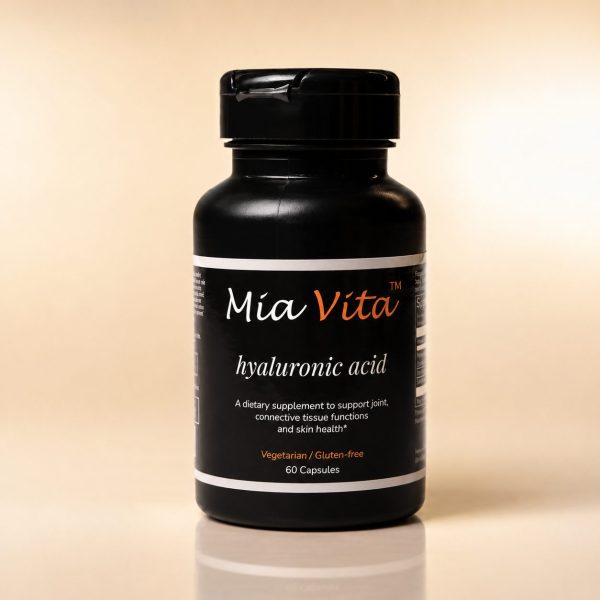
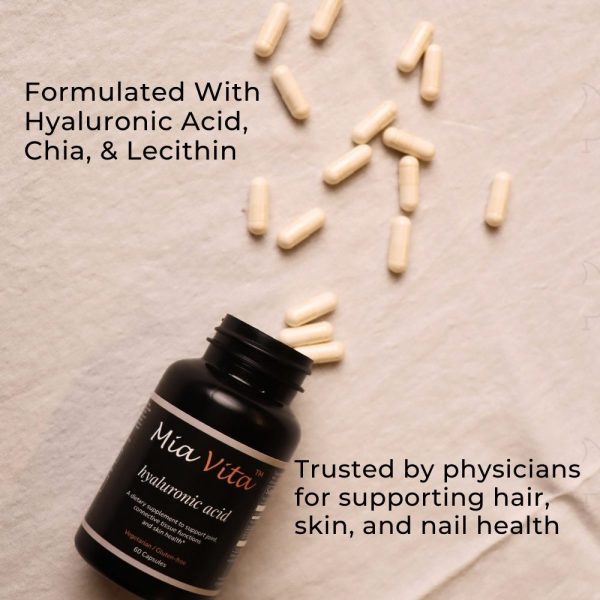

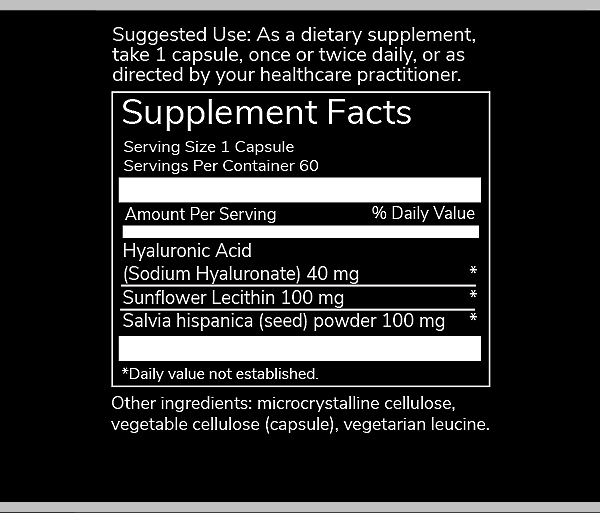
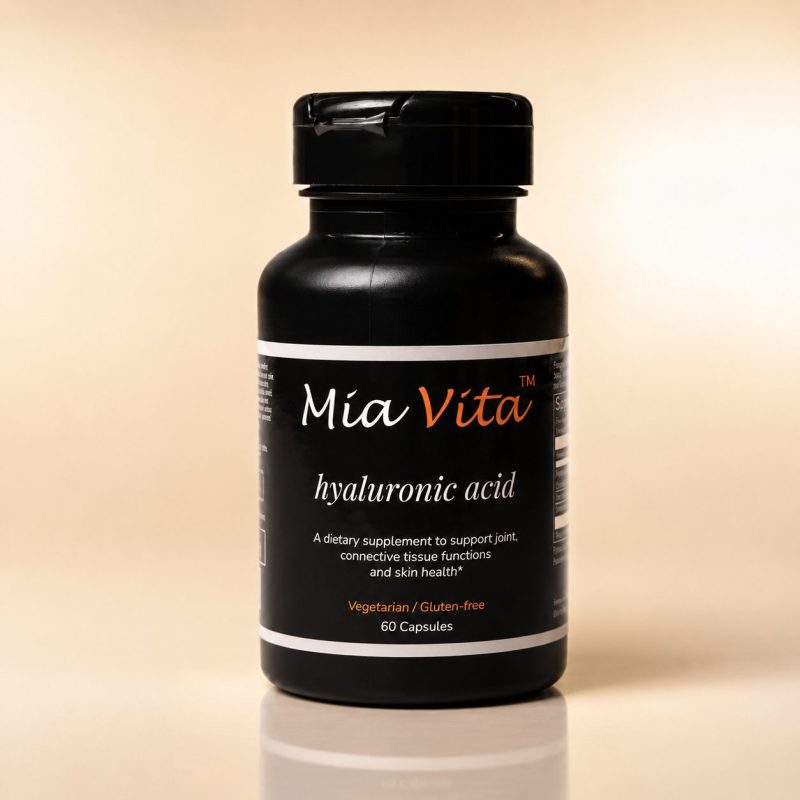
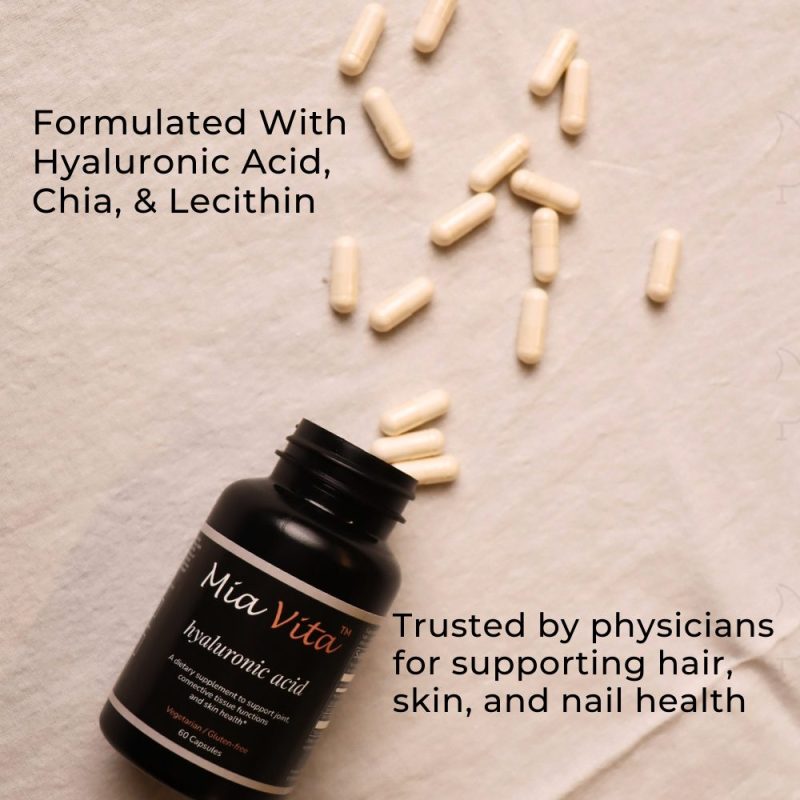
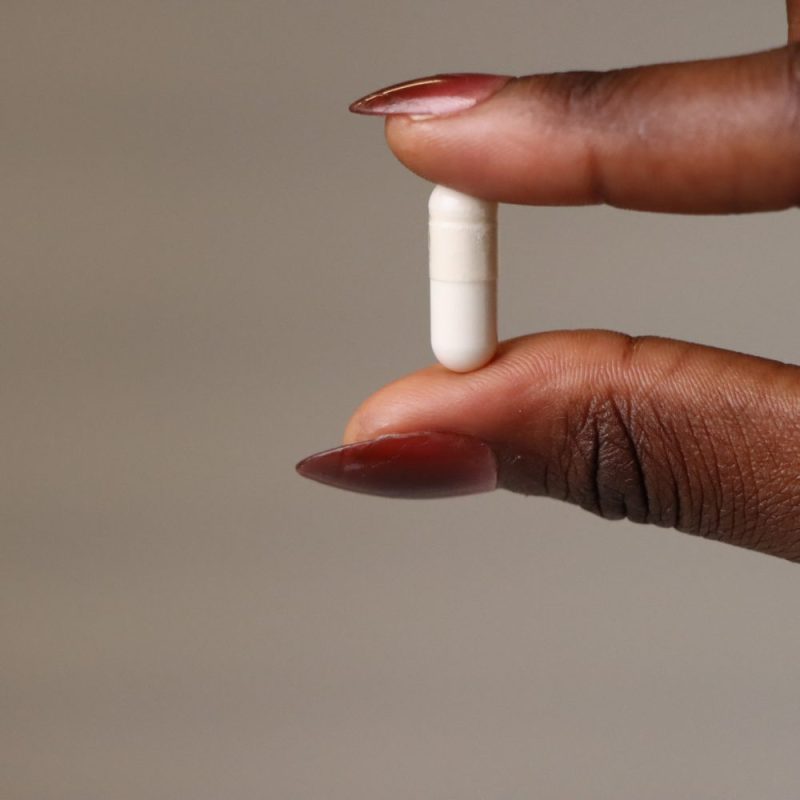
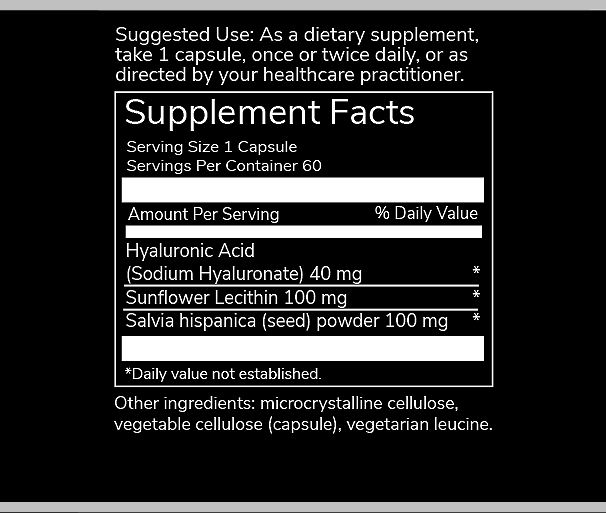
Mia Vita® Hyaluronic Acid (Oral Dietary Supplement)
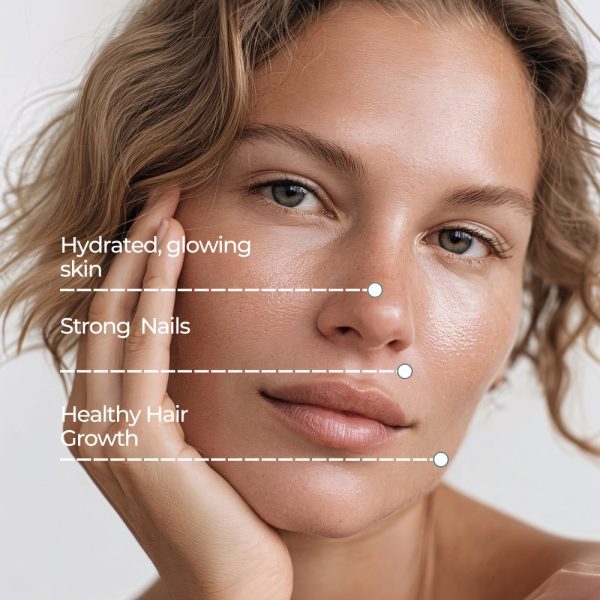
Premium hyaluronic acid supplement designed to support hydrated, glowing skin, strong nails, healthy hair growth, and flexible, comfortable joints. Our formula helps your body retain moisture where it matters most—inside and out.