
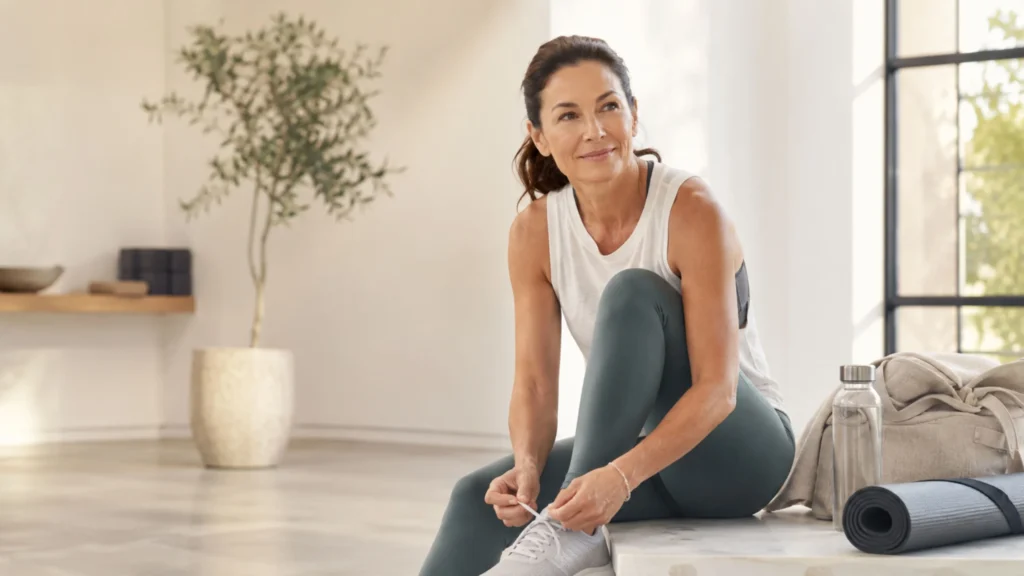
Why Bladder Leaks Happen During Exercise
Stress urinary incontinence (SUI) is a common condition among active women, particularly around perimenopause, and can significantly impact quality of life and daily activities (Wu, 2021). SUI affects approximately 40-50% of women aged 40-59 years, with peak incidence occurring between 45-49 years. SUI is the most common subtype of urinary incontinence in this age group rather than urgency or mixed incontinence (Abufaraj et al., 2021). It occurs when physical activities such as coughing or jumping increase intra-abdominal pressure, causing bladder leakage. Urgency urinary incontinence is the involuntary loss of urine preceded by a sudden intense urge to urinate. Mixed urinary incontinence is the combination of both SUI and UUI (Lukacz & Santiago-Lastra, 2025).
Why Pads Can Make Exercise Uncomfortable
With this, conventional solutions such as pads or disposable underwear help active women remain active; however, the bulkiness of the products, friction and sweat, combined with compressive clothing, can create additional challenges. When exercising, the convergence of sweat, heat, moisture, and the unbreathable nature of pads or disposable underwear worn under compression leggings and athletic wear can damage vulvar skin, which is inherently more susceptible to chafing or contact dermatitis than any other body site (Farage, 2005).
How Bladder Leaks Affect Exercise and Activity
Recent survey and epidemiologic data reinforce these findings. The largest recent meta-analysis (Dakic et al., 2021) encompassing over 14,000 women found that 47% with UI symptoms reported that incontinence adversely affected their exercise participation, and half either stopped or modified exercise entirely due to symptoms. Similarly, a 2021 observational study of European female athletes (Velázquez-Saornil et al., 2021) found that more than half of incontinent athletes relied on absorbent pads, while others wet their underwear—demonstrating that pad use remains the dominant, though often unsatisfactory, coping strategy. Data from Australia (Lamerton et al., 2020) and the U.S. (Kim et al., 2022) confirm that most women use pre-exercise voiding, pad or liner use, and avoidance of certain sports as primary strategies, while a small but meaningful proportion use no management strategy at all.
Across studies, approximately 49–55% of active women with SUI use pads during exercise, a figure that has remained consistent from Nygaard (1990) through Brennand (2018) and recent European cohorts. These behaviors often come at the cost of comfort, confidence, and long-term participation in physical activity, with high rates of decreased exercise intensity, avoidance of specific activities, and fluid restriction. Despite the high burden, awareness of effective treatment options remains low, perpetuating reliance on bulky pads and suboptimal management strategies (Moris et al., 2025; Qiao et al., 2025). The challenge is not that exercise causes incontinence. Still, women with incontinence are being driven away from exercise by inadequate management tools like bulky pads, disposable underwear, and the chafing they cause.
Choose Breathable Workout Clothing
However, some solutions can help women who are dealing with SUI. First, choose breathable, moisture-wicking fabrics that contain synthetic fibers such as polyester and nylon, blended with spandex, or natural alternatives like merino wool or bamboo. These fabrics will pull moisture away from the skin and keep it drier, reducing the risk of chafing. Seamless options will also help reduce friction during movement.
Alternatives to Pads for Bladder Leaks During Exercise
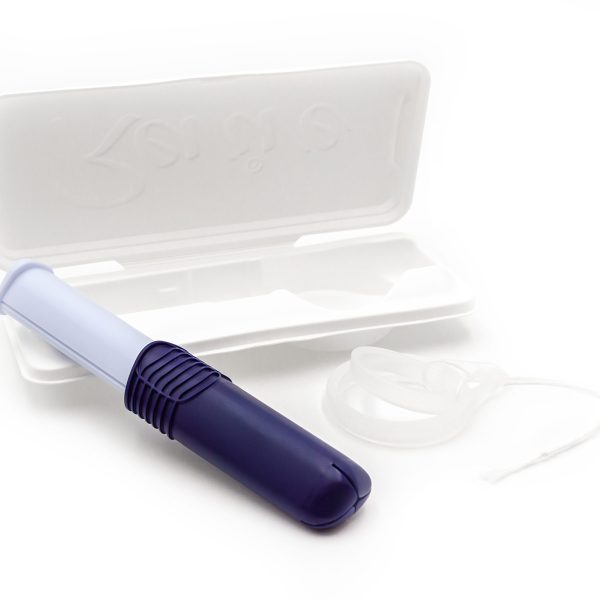
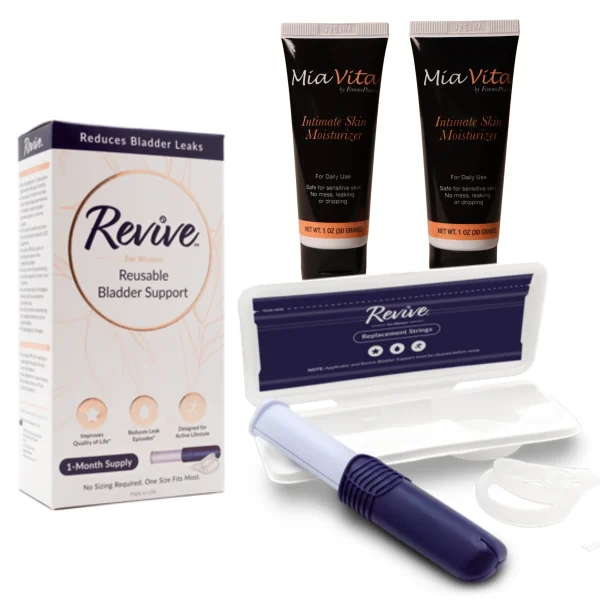
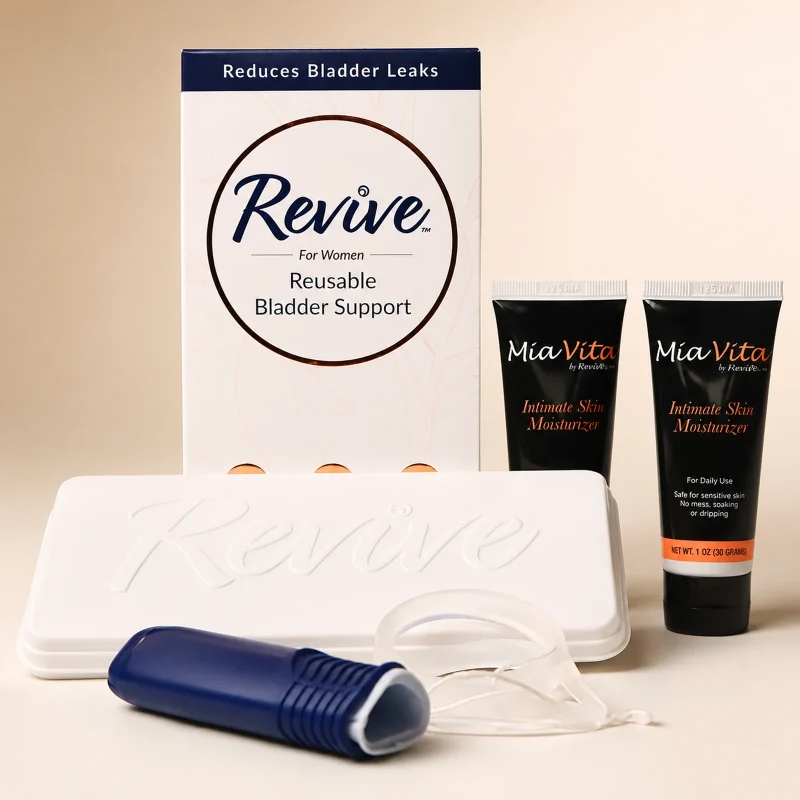
Fortunately, innovative solutions are emerging that directly address these challenges. The Mia Vita® Gel + Revive® Bladder Support Bundle provides active women with a discreet, effective alternative to pads and disposable underwear. Unlike bulky products that trap moisture and cause friction, this bundle combines a hormone-free gel with internal bladder support to help manage SUI during workouts, reducing the need for pads, liners, or frequent clothing changes.
How the Mia Vita® Gel + Revive® Bladder Support Bundle Works
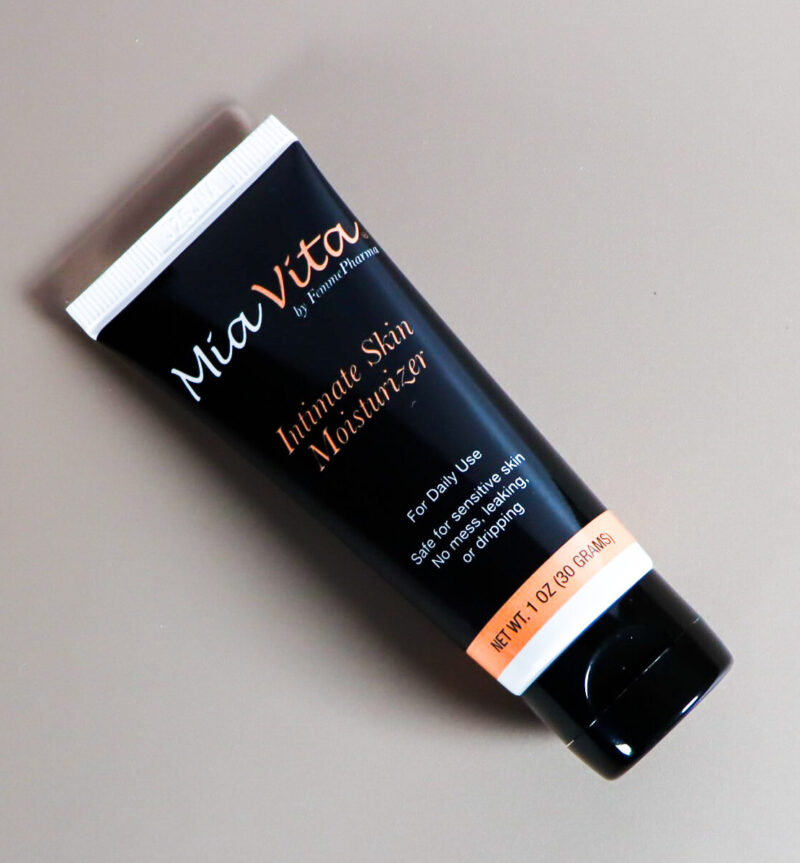
The gel is applied externally to support vaginal and vulvar moisture balance. In contrast, the Revive® bladder support is inserted internally, similar to a tampon, to provide gentle support to the urethra and help prevent leaks during physical activity. Both components are designed for comfort and ease of use, and the products are reusable, latex-free, and have been evaluated for safety in clinical studies. This approach is clinically informed, aligns with the latest research advocating for management strategies that minimize skin contact with irritants, and supports women in maintaining their exercise routines with comfort and confidence.
Ultimately, staying active and confident during perimenopause is possible when women are equipped with the right knowledge and tools. Understanding that you are not alone and that your experience is shared by many can be empowering. Evidence-based solutions like the Mia Vita® Gel + Revive® Bladder Support Bundle, along with mindful fabric choices, a focus on pelvic floor health, and the incorporation of pelvic floor muscle exercises or physical therapy, allow women to reclaim their workouts and daily lives without compromise.
By embracing innovative, research-backed strategies, women can break free from the cycle of discomfort and limitation that comes with bulky pads or ineffective coping mechanisms. Prioritizing comfort, confidence, and overall well-being enables women to move without fear of leaks, so they can focus on what truly matters: living an active, fulfilling life at every stage.
Reference:
- Wu, J. M. (2021). Stress Incontinence in Women. The New England Journal of Medicine, 384(25), 2428–2436. https://doi.org/10.1056/NEJMcp1914037
- Abufaraj M, Xu T, Cao C, Siyam A, Isleem U, Massad A, Soria F, Shariat SF, Sutcliffe S, Yang L. Prevalence and trends in urinary incontinence among women in the United States, 2005-2018. Am J Obstet Gynecol. 2021 Aug;225(2):166.e1-166.e12. doi: 10.1016/j.ajog.2021.03.016. Epub 2021 Mar 13. PMID: 33727114.
- Lukacz, E. S., & Santiago-Lastra, Y. (2025). Urinary incontinence. StatPearls Publishing. nih.gov
- Farage MA. Vulvar susceptibility to contact irritants and allergens: a review. Arch Gynecol Obstet. 2005 Jul;272(2):167-72. doi: 10.1007/s00404-005-0732-4. Epub 2005 May 19. PMID: 15906051.
- Effect of Pelvic Floor Symptoms on Women’s Participation in Exercise: A Mixed-Methods Systematic Review With Meta-Analysis. Dakic JG, Hay-Smith J, Cook J, et al. The Journal of Orthopedic and Sports Physical Therapy. 2021;51(7):345-361. doi:10.2519/jospt.2021.10200.
- Observational Study on the Prevalence of Urinary Incontinence in Female Athletes. Velázquez-Saornil J, Méndez-Sánchez E, Gómez-Sánchez S, et al. International Journal of Environmental Research and Public Health. 2021;18(11):5591. doi:10.3390/ijerph18115591.
- Urinary incontinence in young women: Risk factors, management strategies, help‐seeking behavior, and perceptions about bladder control. Lamerton TJ, Mielke GI, Brown WJ. Neurourology and Urodynamics. 2020;39(8):2284-2292. doi:10.1002/nau.24483.
- The Association of Physical Activity and Urinary Incontinence in US Women: Results From a Multi-Year National Survey. Kim MM, Ladi-Seyedian SS, Ginsberg DA, Kreydin EI. Urology. 2022;159:72-77. doi:10.1016/j.urology.2021.09.022.
- Prevalence, Diagnosis, and Management of Stress Urinary Incontinence in Women: A Collaborative Review. Moris L, Heesakkers J, Nitti V, et al. European Urology. 2025;87(3):292-301. doi:10.1016/j.eururo.2024.12.017.
- Urinary Leakage During Exercise: Problematic Activities, Adaptive Behaviors, and Interest in Treatment for Physically Active Canadian Women. Brennand E, Ruiz-Mirazo E, Tang S, Kim-Fine S. International Urogynecology Journal. 2018;29(4):497-503. doi:10.1007/s00192-017-3409-1.
- Exercise and Incontinence. Nygaard I, DeLancey JO, Arnsdorf L, Murphy E. Obstetrics and Gynecology. 1990;75(5):848-51.
- Urinary Stress Incontinence in Women. Rogers RG. The New England Journal of Medicine. 2008;358(10):1029-36. doi:10.1056/NEJMcp0707023.
- The effect of high-impact CrossFit exercises on stress urinary incontinence in physically active women. Yang J, Cheng JW, Wagner H, et al. Neurourology and Urodynamics. 2019;38(2):749-756. doi:10.1002/nau.23912.
About the Author
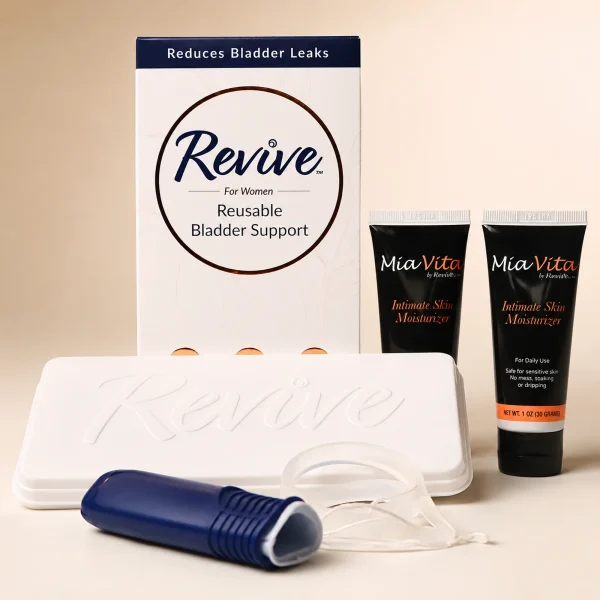
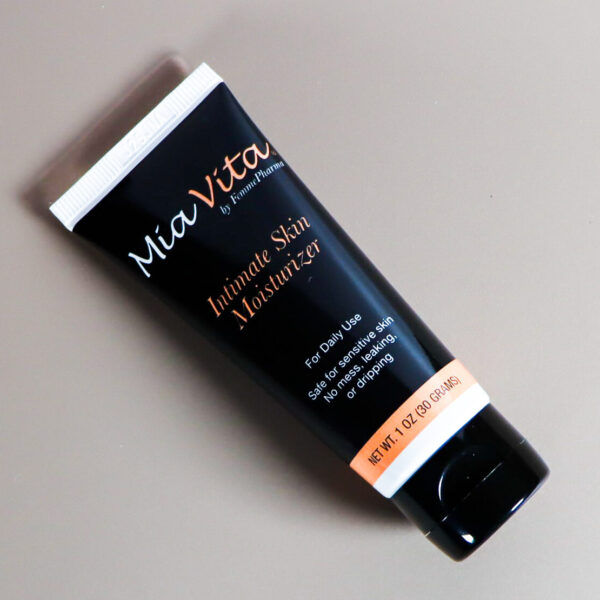
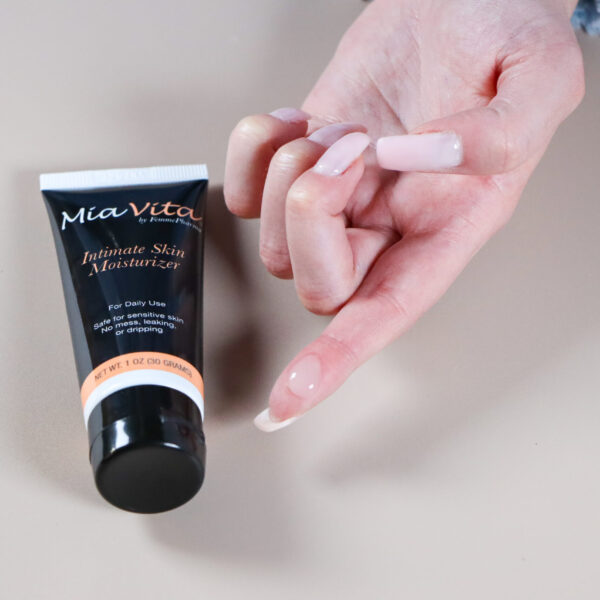


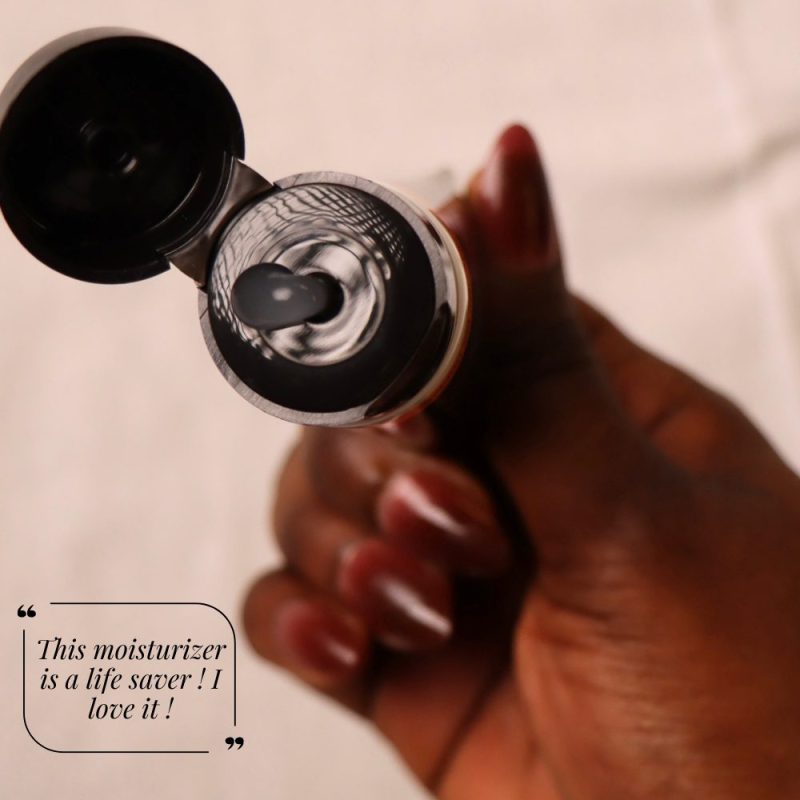
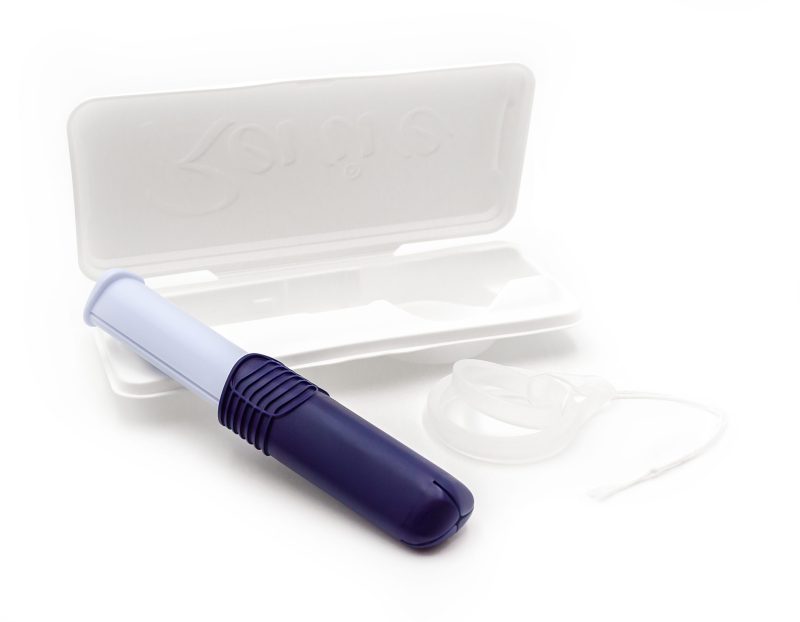
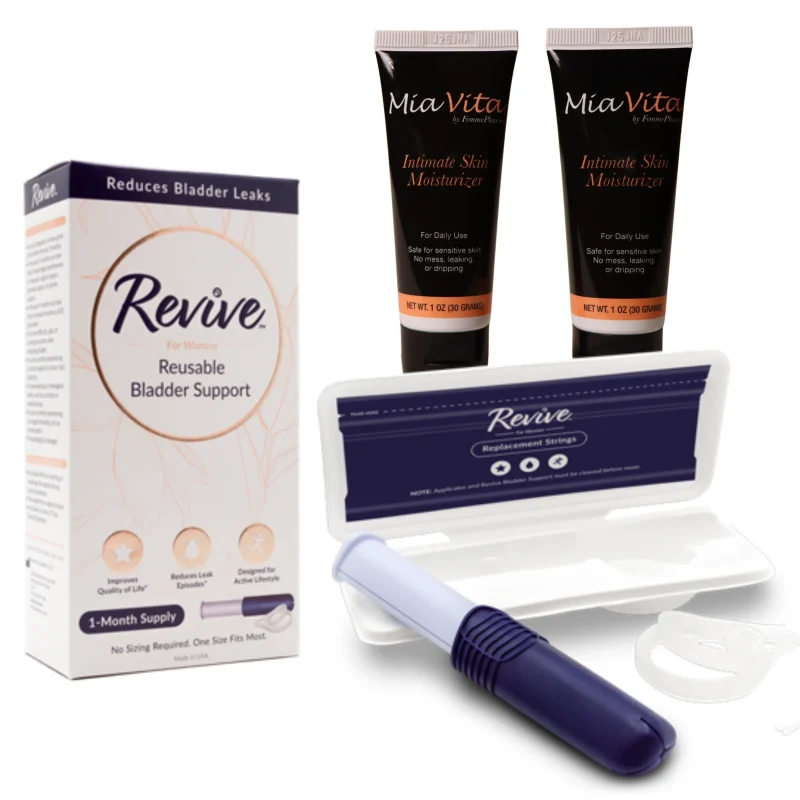
Mia Vita® Gel + Revive® Bladder Support Bundle
Revive is a reusable bladder support clinically shown to prevent light bladder leaks (bladder leakage with physical movement or activity including sneezing, laughing, coughing, etc.), reducing leaks for up to 12 hours. In clinical trials, over 90% of women felt the product was a good fit upon first use. Pair it with Mia Vita® Gel, an intimate skin moisturizer, for easy insertion and to relieve vulvar dryness.
Delivering dependable support and comfort, the bundle contains a 31 day supply of Revive and 2 tubes of Mia Vita® Gel (1 oz. each). Stop light bladder leaks and hydrate your intimate skin today.
In stock