

Why is everyone suddenly talking about creatine for women?
Creatine has traditionally been associated with the sporting world, such as bodybuilders, male athletes, and improving sports performance. Recently, however, creatine for women has been receiving more attention, particularly in how it may support women’s wellness beyond the gym. Research has been looking at its potential role outside sports performance. This includes maintaining muscle mass and strength, supporting physical performance and recovery, and even cognition and brain health.
For women in perimenopause and menopause, this is particularly interesting. However, with so much information circulating on social media and online, it’s important we cut through the hype. We need to understand what the science actually supports.
What is creatine and why do women need it?
Creatine is a naturally occurring compound made by the body from amino acids. It is produced mainly in the kidneys and liver and stored in skeletal muscle, where it plays an important role in energy production. It helps the body produce adenosine triphosphate (ATP), which is the body’s energy currency. The creatine/phosphocreatine system helps rapidly regenerate ATP when the demand for energy increases.
Creatine supplementation isn’t the only way it can be obtained. The body can make it by itself, and dietary intake can contribute to creatine stores. Creatine can be found in foods, particularly fish and meat. Very little creatine is found in plant foods, so vegan and vegetarian women tend to have a lower intake. Research shows that women’s creatine metabolism may be influenced by hormones, life stage, and diet. This is particularly relevant for women as they transition through different life stages. Energy production, maintaining muscle function, and healthy aging become increasingly important.
What are the benefits of creatine for women?
Creatine’s benefits extend beyond just sports performance. One of the best-known benefits is its effect on exercise performance and muscle strength, especially when combined with resistance training. This is one of the areas where the evidence is more established. This is relevant to women, as maintaining strength and muscle mass becomes increasingly important for healthy aging. Although this area has less consistent evidence, creatine may play a role in exercise recovery. It may also be important for energy metabolism in the brain. Research is looking at how creatine supplementation may help support cognition and memory; however, more research involving women is still needed.
Creatine and menopause: what does the research say?
During the menopause transition, there are considerable hormonal changes. The decline in estrogen levels may influence bone, muscle, and body composition. As a result, this has led to growing interest in how creatine may help support women during this stage of life. Interestingly, research in postmenopausal women suggests that taking creatine supplementation alongside resistance training may help maintain lean tissue and muscle strength. When it comes to bone health, research has looked at the possible benefits; however, the findings are less consistent. The evidence available relates mainly to postmenopausal women, and there is a considerable lack of research on women in perimenopause. Therefore, more research is needed before we can draw any clear conclusions about the effects of creatine during this transition.
Does creatine cause weight gain, bloating or make you bulky?
One of the main concerns women have when taking creatine is whether it will cause weight gain. They also worry it may make them look bulky or feel bloated. What the research shows us is that creatine may cause a slight increase in body weight. This is particularly common when someone first starts taking it. However, this should not be confused with gaining body fat. Initial weight changes can be related to the water stored in the muscles, as creatine helps increase water within muscle cells. This increased water within the muscle cells is often confused with the feeling of bloating.
Will creatine make me bulky? This is an important misconception, as creatine by itself won’t suddenly give you larger muscles. When combined with consistent resistance training, it may help with improvements in lean muscle mass and muscle strength. To increase muscle size, there are many factors that come into play, such as nutrition, hormones, genetics, and resistance training.
Is creatine safe for women?
Creatine monohydrate is one of the most researched sports supplements, and research generally supports its safety when taken at the recommended dose. A commonly studied maintenance amount is around 3–5 grams per day. We hear about loading phases, but this is not necessary to increase creatine stores. Some concerns have been raised over kidney health. However, studies in healthy people have not shown a significant reduction in kidney filtration with creatine supplementation. Women with other medical conditions, such as kidney disease, or who are pregnant or breastfeeding should always talk to their healthcare provider before starting supplementation. Overall, current evidence suggests creatine monohydrate is generally well tolerated by healthy women when used appropriately.
Bringing it all together
The research on creatine is growing, and it is no longer something we associate only with bodybuilders and male athletes. Studies suggest creatine for women may have benefits beyond sports performance, particularly for the maintenance of muscle strength and physical performance. When it comes to bone health and cognition, the research is promising, but there are still gaps in our understanding, particularly for perimenopausal women. Creatine can be a useful part of a well-balanced lifestyle, which includes adequate sleep, stress management, and good nutrition.
About The Author
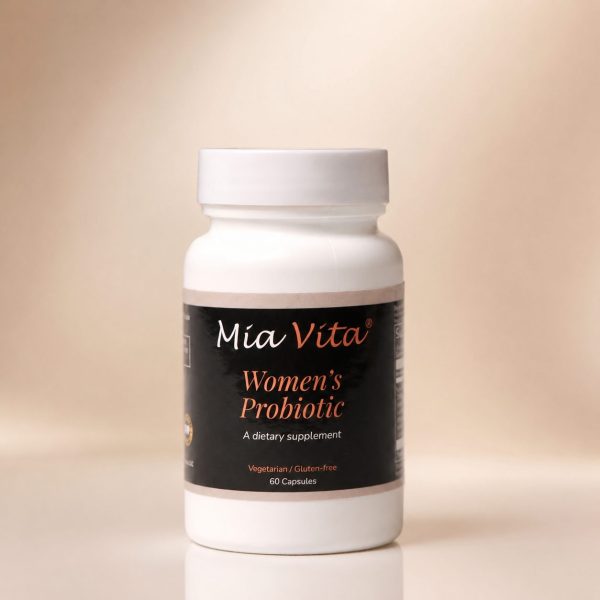


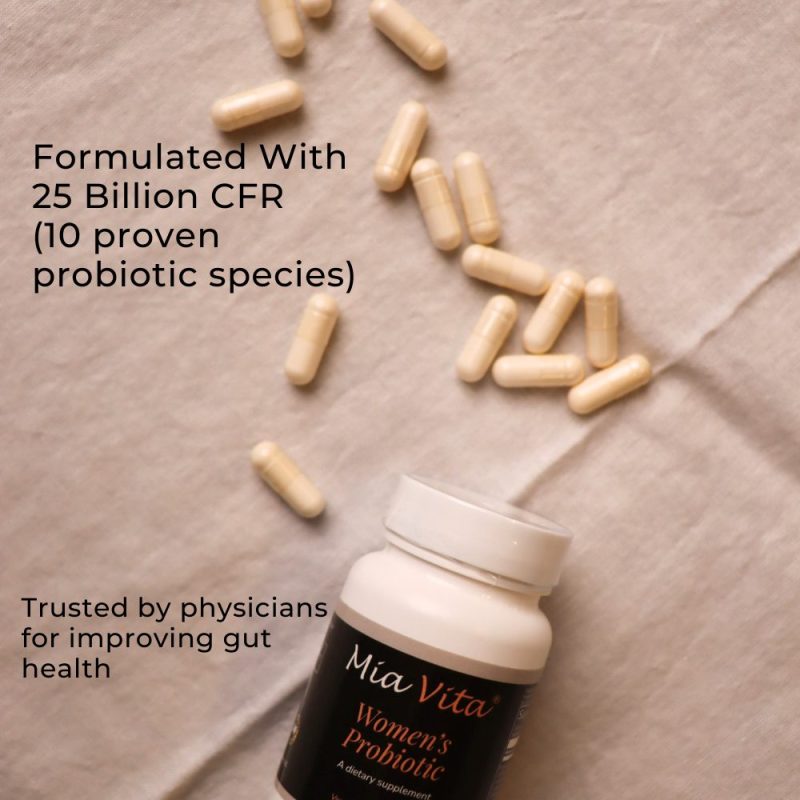

Mia Vita® Women’s Probiotic
One Daily Probiotic. Three Important Areas of Women’s Wellness.
Gut Health • Gut-Brain Connection • Vaginal Wellness
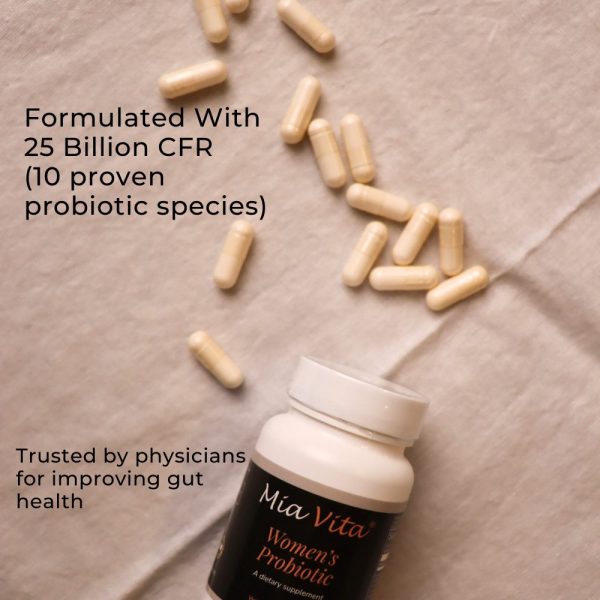
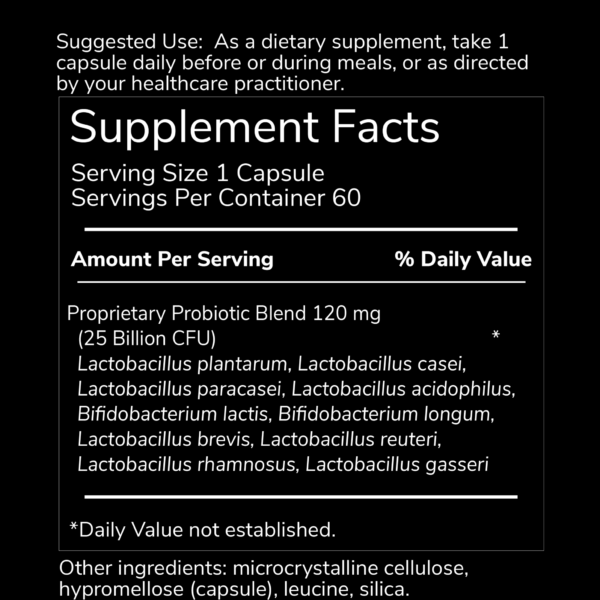
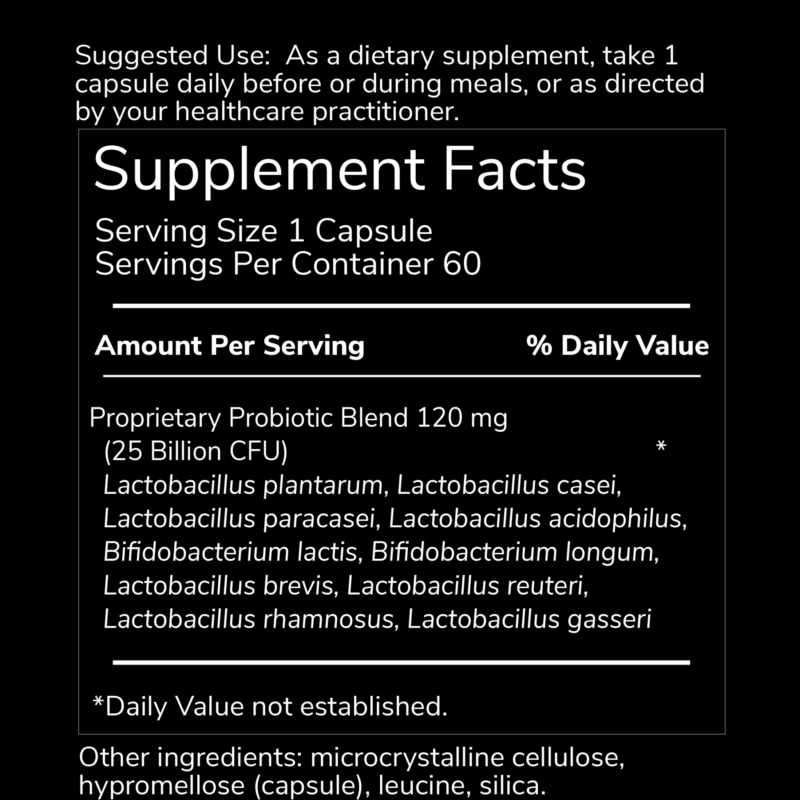
Your microbiome does more than support digestion. The beneficial bacteria living in and on your body are part of complex systems connected to digestive health, the gut-brain connection, and vaginal wellness. Mia Vita® Women’s Probiotic delivers 25 billion CFU from 10 probiotic species in one daily capsule, formulated to support a healthy gut and vaginal microbiome.*
60 vegetarian capsules | 2-month supply | Gluten-free