
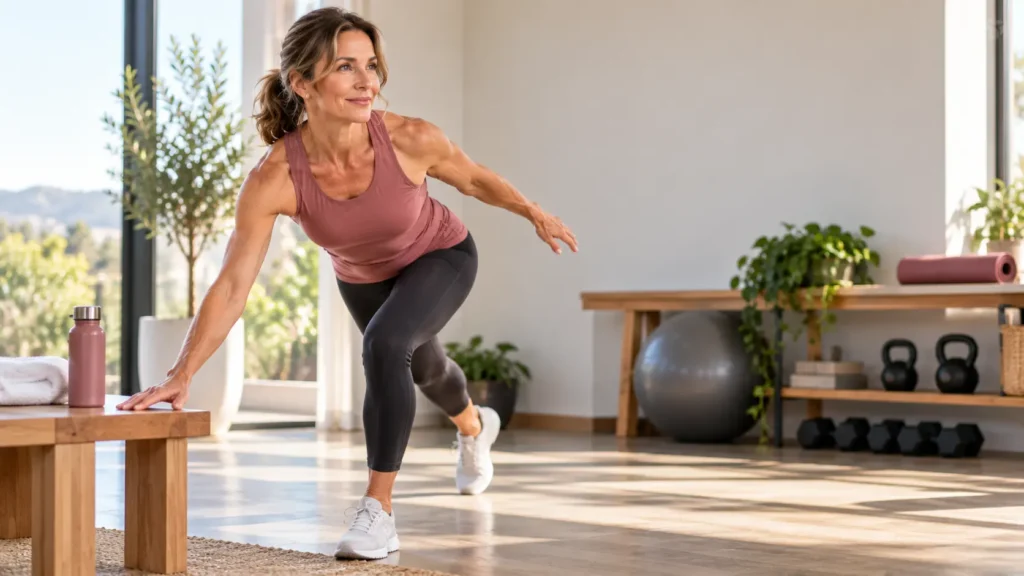
Why Balance Training Matters Earlier Than You Think
People generally regard balance training as rehabilitation for older people who have fallen or undergone joint replacement. However, balance training for women should be viewed as another trainable fitness attribute, like strength or aerobic capacity. Moreover, balance training should be introduced at all stages of life and not treated as a training element only for older people. The data indicate that middle age is a key period for developing balance before problems arise (Paillard et al., 2015).
How Balance Works in the Body
Balance is a comprehensive, learnable ability that no single organ controls. Instead, it is part of a closed-loop control system comprising three elements: sensory input, central integration, and neuromuscular output (Paillard et al., 2015). The central nervous system constantly collects signals, processes them, and instructs muscles to keep the body’s center of mass over its base of support. It continues to analyze information even when a person is standing, making small corrections for any swaying or movement (Jafari & Gustafsson, 2023).
The Three Systems That Help You Maintain Balance
The system is fed information through three sensory channels. These include proprioception, which involves input from muscle spindles, Golgi tendon organs, and receptors in the joints and skin. The visual system provides data as optic flow. The vestibular system in the inner ear consists of three semicircular canals and the otolith organs. It detects head rotations, linear acceleration, and orientation with respect to gravity. The system becomes important whenever the other sensory channels are impaired. For example, when the eyes are closed or when one is lying on a soft surface (Jafari & Gustafsson, 2023).
How the Brain Coordinates Balance and Movement
The brain combines these inputs through a widespread network by employing sensory reweighting, so the central nervous system constantly decides which sensory channel is most reliable. It adjusts accordingly. For example, it relies on visual and vestibular input to determine whether one is standing on a hard or soft surface. The body organizes motor output into various ways to maintain an upright position (Henry & Baudry, 2019). For instance, when a person is standing, proprioception lets the body know what the surface under the feet is like. The visual system analyses the environment via optic flow, and the vestibular system detects head movement and how gravity influences the body.
Sensory reweighting also enables continuous adjustments through motor output so that the ankle can make small corrections, the hips can make larger ones, and a stepping movement can occur when the center of mass shifts (Peterka, 2002). Balance is a skill that involves sensory acuity, central reweighting, and a well-coordinated muscle response. Training can improve it. Training balance in young and middle-aged adults leads to measurable neuroplasticity, including reduced H-reflex amplitude and changes in corticospinal excitability, indicating a shift toward greater efficient subcortical control (Sun et al., 2022).
When Does Balance Begin to Decline?
Most people do not realize that balance training for women can become important earlier than they think. Many people believe balance remains stable until old age. However, data indicate that postural stability begins to decline noticeably as early as ages 40 to 50, long before the more rapid decline observed after age 70. In the National Health and Nutrition Examination Survey (NHANES) data, the percentage of people failing the sensory-challenged (performed on foam with eyes closed) Romberg test rises from 9.7% in the 40–49 age group to 15.5% in 50–59 and 34.7% in 60–69. [20] Of adults aged 40 to 69, about one third report balance or dizziness problems, and a quarter fail the modified Romberg test (Hoffman et al., 2026; Haddara et al., 2025).
The ability to maintain balance while moving declines earlier than the ability to maintain balance while standing still, and deficiencies are first revealed under difficult conditions (Haddara et al., 2025).
How Menopause Can Affect Balance
For women, the menopausal transition brings an additional difficulty in preserving balance apart from the effects of simple aging. At menopause, numerous factors come into play. Estrogen receptors are found in bone, muscle, and the vestibular system, and estrogen helps improve the signal-to-noise ratio of vestibular neurons. Lower estrogen accelerates the loss of muscle mass and strength. Grip strength decreases throughout the various stages of menopause regardless of a woman’s age, and the proportion of people with sarcopenia increases markedly.
In a study involving 979 women aged between 43 and 57, the time spent standing on one leg decreased step by step according to the menopausal stage: 93.9 seconds in the premenopausal stage, 88.7 seconds in the perimenopausal stage, and 78.4 seconds in the postmenopausal stage. These differences were still significant after taking into account age. A separate group of women also showed a similar decline in single-leg stance with eyes closed, independent of age (Cheng et al., 2009).
Benefits of Balance Training for Women
The benefits of balance training for women go beyond preventing falls, as it additionally enhances everyday stability, athletic performance, injury resistance, coordination, and confidence. By improving proprioceptive feedback and neuromuscular coordination, balance training increases an individual’s ability to change direction, agility, vertical jump, and dynamic balance. It can also be used as neuromuscular “priming” before agility exercises. It is most effective when combined with resistance training and should not be used as a substitute. Resistance training is still better for developing raw strength and power (Bullock et al., 2025). For more on building strength throughout adulthood, read our guide to strength training for women.
Balance training has the most supportive evidence since neuromuscular/proprioceptive training reduces lower-limb injuries by about 39%, ankle sprains by approximately 50%, and, most importantly for women, ACL injuries among female athletes by 61% (RR 0.39; high-certainty evidence), the minimum effective dose being around 10 minutes twice weekly (Bullock et al., 2025).
Confidence and fear of falling
Exercise leads to a small to moderate decrease in fear of falling (SMD 0.37), and programs on unstable surfaces and Pilates-based programs specifically enhance confidence in one’s balance. This is probably because mastering difficult tasks increases self-efficacy for everyday activities(Aibar-Almazán et al., 2019).
Healthy aging: balance training lowers the rate of falls by about 23% in pooled trials (rate ratio 0.77; high certainty), might reduce the number of fracture-related falls by about 27%. If it involves a cognitive or dual-task component, can decrease dysfunctional prefrontal activation, which indicates more automatic postural control (Colón-Emeric et al., 2024).
Balance Training During Perimenopause and Postmenopause
In a network meta-analysis that included only women in the peri- and early postmenopausal period (26 randomized controlled trials, with an average age of 65 or less), various interventions improved balance. Whole-body vibration and balance training often came out as the most effective. Combined resistance and balance exercises proved to be the most effective for single-leg stance (Walsh et al., 2023).
How to Add Balance Exercises to Your Routine
Balance is task-specific and responds to brief, frequent exposure. Therefore, the most sustainable approach to balance training for women is to layer challenges onto activities already being done rather than adding a separate workout:
- Build your habit stack to include everyday activities such as brushing your teeth, waiting for the coffee to be ready, and standing in line. Gradually move from a state where your eyes are open to one where they are closed (this removes visual information and thus forces a reweighting through proprioception and the vestibular system).
- When performing current strength exercises, reduce the base of support by starting with a tandem stance (heel touching toe), then progressing to a single-leg stance, and finally incorporating head turns to activate the vestibular system.
- Include an unstable surface, such as a foam pad or a BOSU ball, in the exercise program. This targets proprioceptive reweighting and has been shown to improve stability and decrease fear of falling among middle-aged adults.
- Include a balanced/neuromuscular warm-up for about 10 minutes twice each week before running or sports—this dosage has been shown to reduce ankle and ACL injuries in women.
- Use multidirectional, dynamic exercises such as reaching and stepping in various directions and change-of-direction drills rather than static holds, since dynamic balance deteriorates first and transfers most effectively to real life.
- To make control more automatic, add a cognitive dual-task (for example, counting while having a conversation). In this case, older adults who train show gains in brain efficiency.
- For people who prefer guided practice, there are structured classes such as tai chi, Pilates, or yoga. All of these have evidence applicable to midlife benefits as well as the postmenopausal period, with the added benefits of bone loading.
Building Better Balance for Healthy Aging
Balance is a skill that is both integrative and trainable. It relies on input from the proprioceptive, visual, and vestibular systems and involving central sensory reweighting and coordinated neuromuscular output. All of this shows a measurable decline in the fifth decade, sooner than is generally believed. In women there is an extra decrease specific to menopause.
Balance training for women is effective at every stage of life. It causes neuroplastic changes in young adults and helps improve balance, injury resistance, performance, confidence, and fall risk in middle-aged and older women.
The benefits are task-specific and can be lost if training stops. The best approach changes over time. It fits into everyday activities, about 90 to 120 minutes per week across three sessions, combining balance exercises with resistance and weight-bearing exercises. It is not too late to start balance training in middle age. In fact, this period may be the best time to build up reserves before deficits lead to falls.
References:
- Jafari H, Gustafsson T. Optimal controllers resembling postural sway during upright stance. PLoS One. 2023 May 2;18(5):e0285098. doi: 10.1371/journal.pone.0285098. PMID: 37130115; PMCID: PMC10153747.
- Paillard, Thierry, Pau, Massimiliano, Noé, Frédéric, González, Luis-Millán, Rehabilitation and Improvement of the Postural Function, BioMed Research International, 2015, 703679, 2 pages, 2015. https://doi.org/10.1155/2015/703679
- Henry M, Baudry S. Age-related changes in leg proprioception: implications for postural control. J Neurophysiol. 2019 Aug 1;122(2):525-538. doi: 10.1152/jn.00067.2019. Epub 2019 Jun 5. PMID: 31166819; PMCID: PMC6734411.
- Peterka RJ; New Collective Author. Sensorimotor integration in human postural control. J Neurophysiol. 2002 Sep;88(3):1097-118. doi: 10.1152/jn.2002.88.3.1097. PMID: 12205132.
- Sun Y, Hurd CL, Barnes MM, Yang JF. Neural Plasticity in Spinal and Corticospinal Pathways Induced by Balance Training in Neurologically Intact Adults: A Systematic Review. Front Hum Neurosci. 2022 Aug 17;16:921490. doi: 10.3389/fnhum.2022.921490. PMID: 36061497; PMCID: PMC9428930.
- Hoffman HJ, Fisher DE, Hogan AE, Cohen HS, Flamme GA, Themann CL, Li CM, Ward BK, Della Santina CC. Balance Disorders in Young and Middle-Aged Adults: NHANES, 2001-2004 and 2021-2023. Laryngoscope. 2026 Aug;136(8):3577-3593. doi: 10.1002/lary.70482. Epub 2026 Mar 13. PMID: 41825962; PMCID: PMC13357311.
- Cheng MH, Wang SJ, Yang FY, Wang PH, Fuh JL. Menopause and physical performance–a community-based cross-sectional study. Menopause. 2009 Sep-Oct;16(5):892-6. doi: 10.1097/gme.0b013e3181a0e091. PMID: 19455071.
- Haddara R, Ivanova TD, Garland SJ. Perturbed walking balance recovery between premenopausal and postmenopausal females. Clin Biomech (Bristol). 2025 May;125:106512. doi: 10.1016/j.clinbiomech.2025.106512. Epub 2025 Apr 5. PMID: 40222159.
- Bullock GS, Räisänen AM, Martin C, Martin M, Galarneau JM, Whittaker JL, Losciale JM, Bizzini M, Bourne MN, Dijkstra HP, Dubé MO, Hayden A, Girdwood M, Hägglund M, McLeod S, Mkumbuzi NS, Mosler AB, Murphy MC, Myklebust G, Møller M, Ocarino JM, Owoeye OBA, Palmer D, Pasanen K, Rio EK, Thorborg K, van Middelkoop M, Verhagen E, Warden SJ, Whalan M, Crossley KM, Emery C. Prevention strategies for lower extremity injury: a systematic review and meta-analyses for the Female, woman and/or girl Athlete Injury pRevention (FAIR) consensus. Br J Sports Med. 2025 Dec 3;59(22):1575-1586. doi: 10.1136/bjsports-2025-109910. PMID: 40645751.
- Aibar-Almazán A, Martínez-Amat A, Cruz-Díaz D, De la Torre-Cruz MJ, Jiménez-García JD, Zagalaz-Anula N, Pérez-Herrezuelo I, Hita-Contreras F. Effects of Pilates on fall risk factors in community-dwelling elderly women: A randomized, controlled trial. Eur J Sport Sci. 2019 Nov;19(10):1386-1394. doi: 10.1080/17461391.2019.1595739. Epub 2019 Apr 16. PMID: 30990762.
- Colón-Emeric CS, McDermott CL, Lee DS, Berry SD. Risk Assessment and Prevention of Falls in Older Community-Dwelling Adults: A Review. JAMA. 2024;331(16):1397–1406. doi:10.1001/jama.2024.1416
- Walsh GS, Delextrat A, Bibbey A. The comparative effect of exercise interventions on balance in perimenopausal and early postmenopausal women: A systematic review and network meta-analysis of randomized, controlled trials. Maturitas. 2023 Sep;175:107790. doi: 10.1016/j.maturitas.2023.107790. Epub 2023 Jun 16. PMID: 37343343.
About The Author
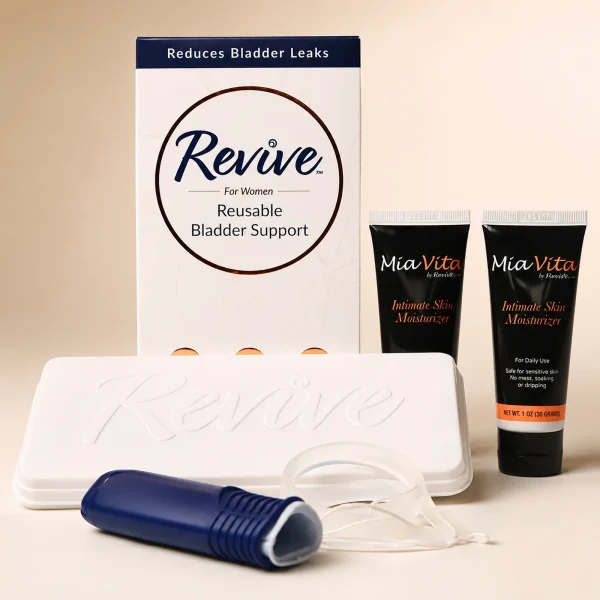
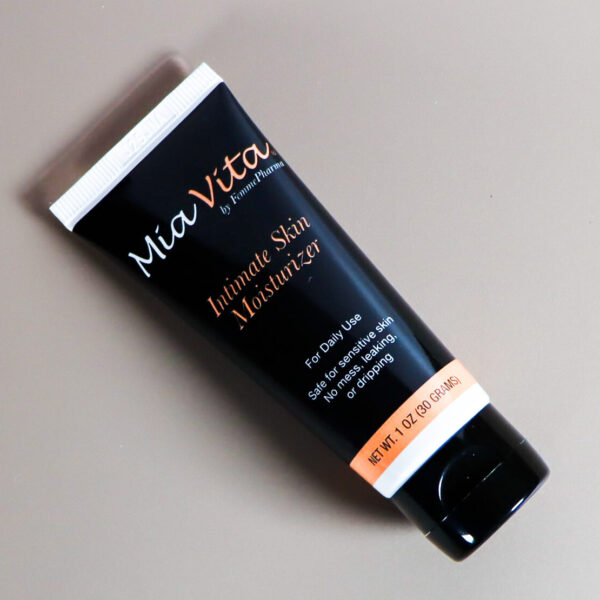
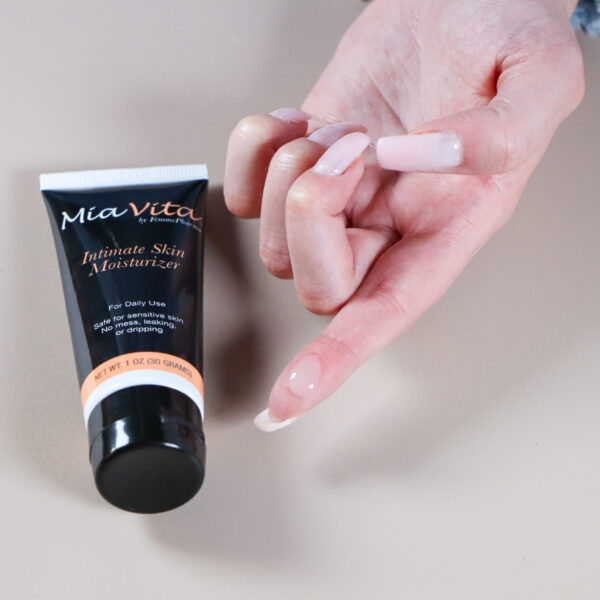

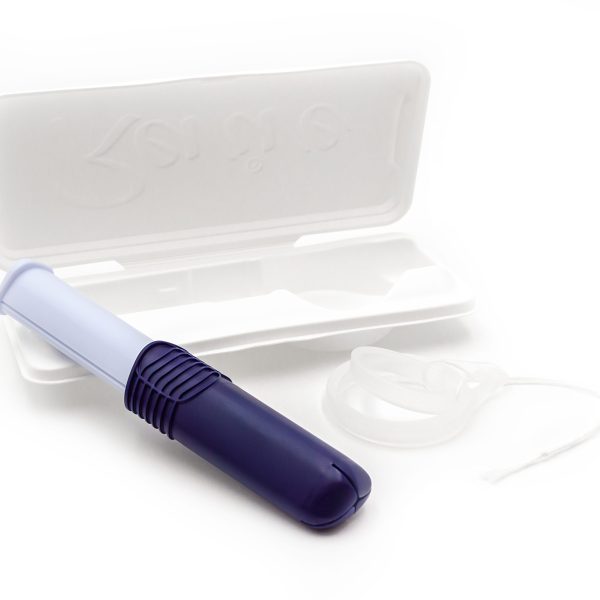
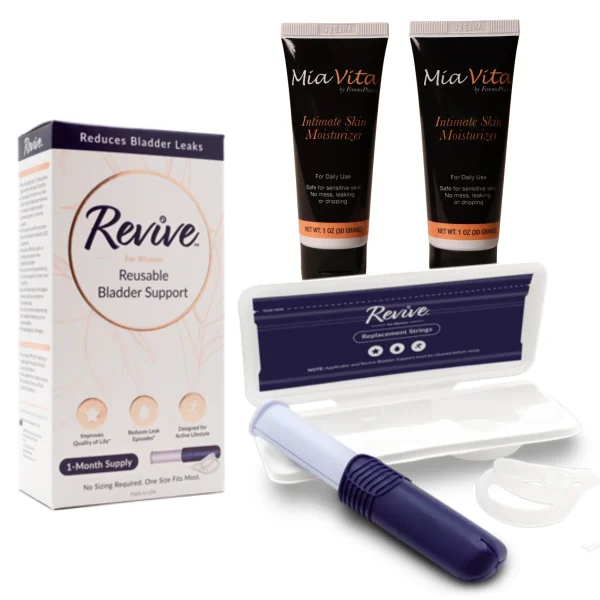
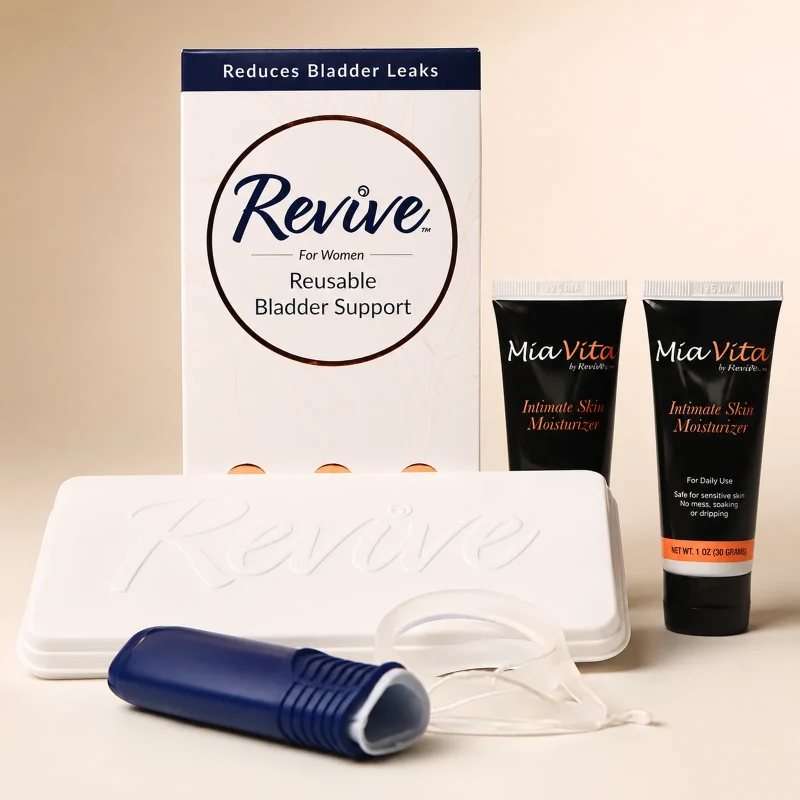
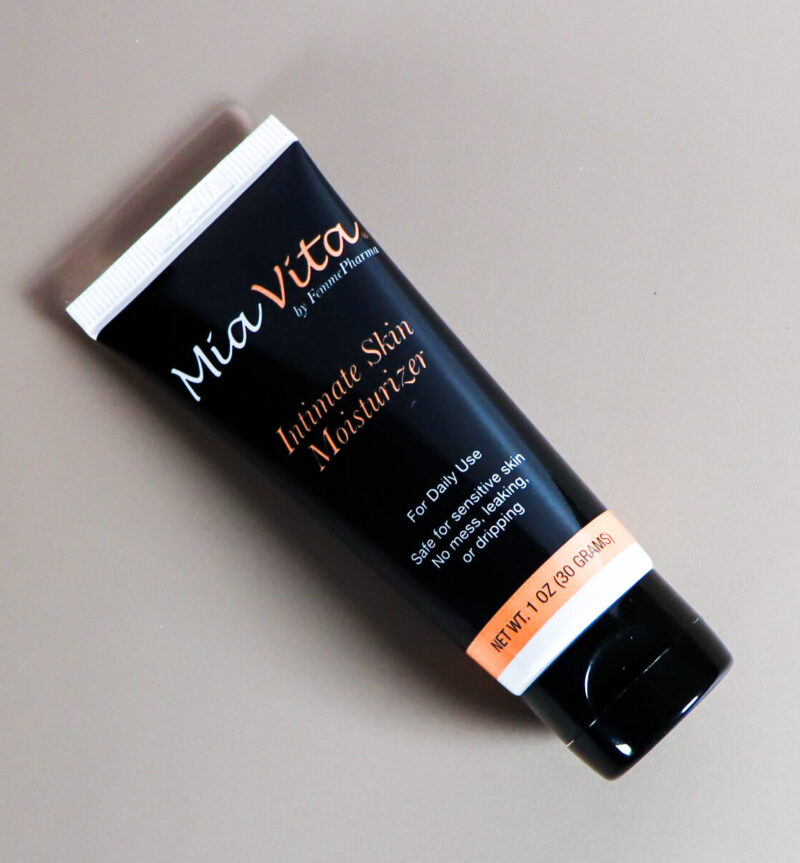

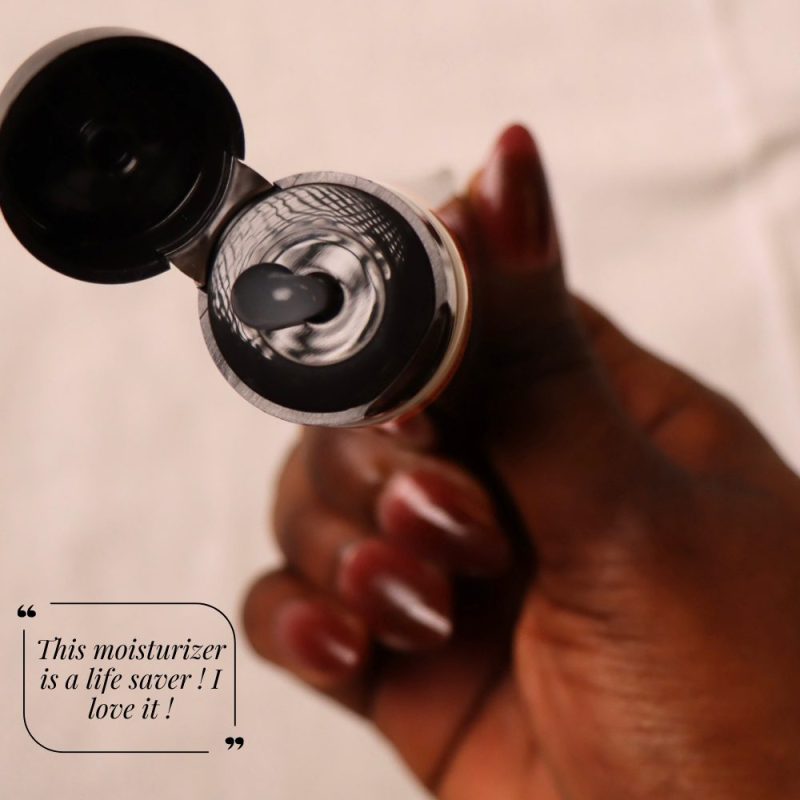
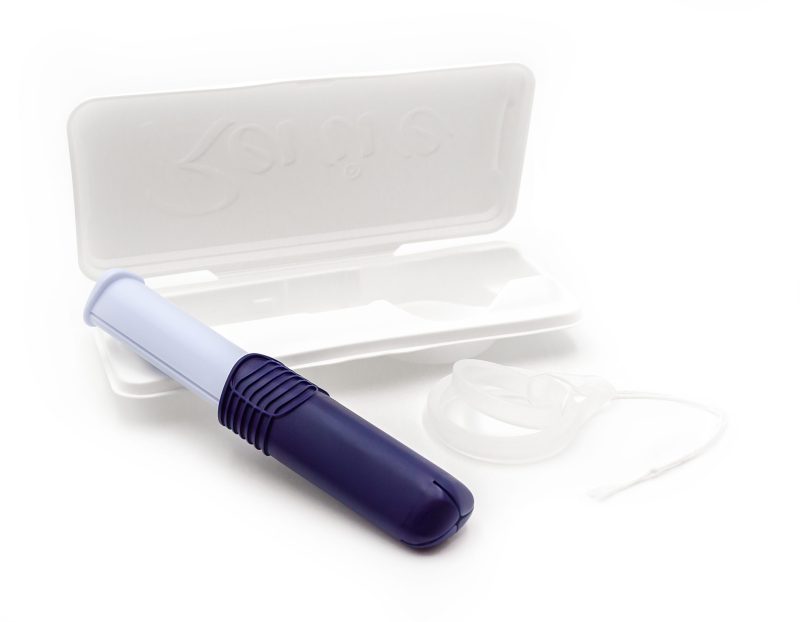
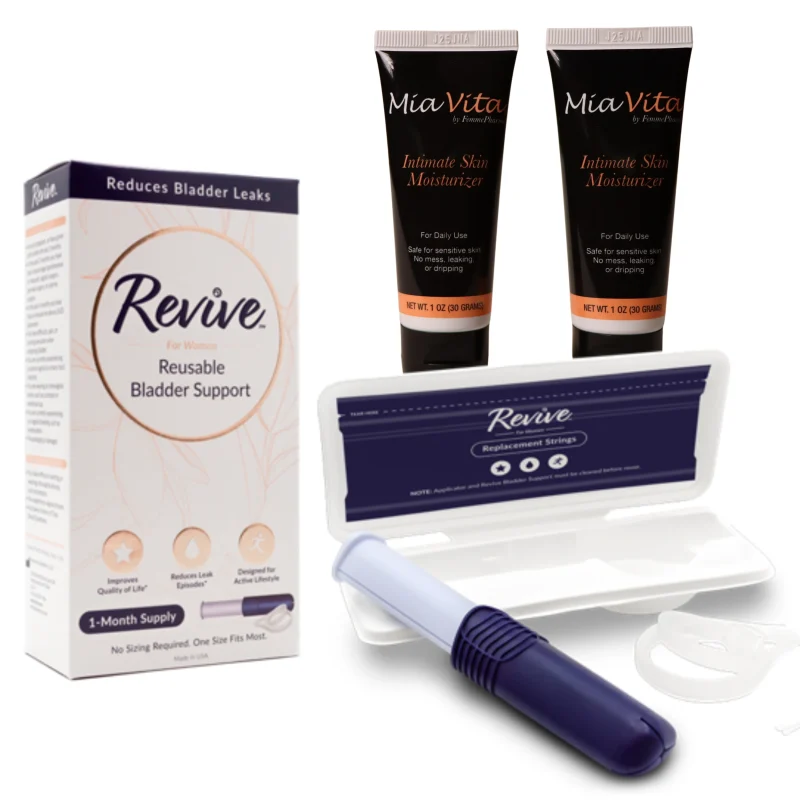
Mia Vita® Gel + Revive® Bladder Support Bundle
Revive is a reusable bladder support clinically shown to prevent light bladder leaks (bladder leakage with physical movement or activity including sneezing, laughing, coughing, etc.), reducing leaks for up to 12 hours. In clinical trials, over 90% of women felt the product was a good fit upon first use. Pair it with Mia Vita® Gel, an intimate skin moisturizer, for easy insertion and to relieve vulvar dryness.
Delivering dependable support and comfort, the bundle contains a 31 day supply of Revive and 2 tubes of Mia Vita® Gel (1 oz. each). Stop light bladder leaks and hydrate your intimate skin today.