
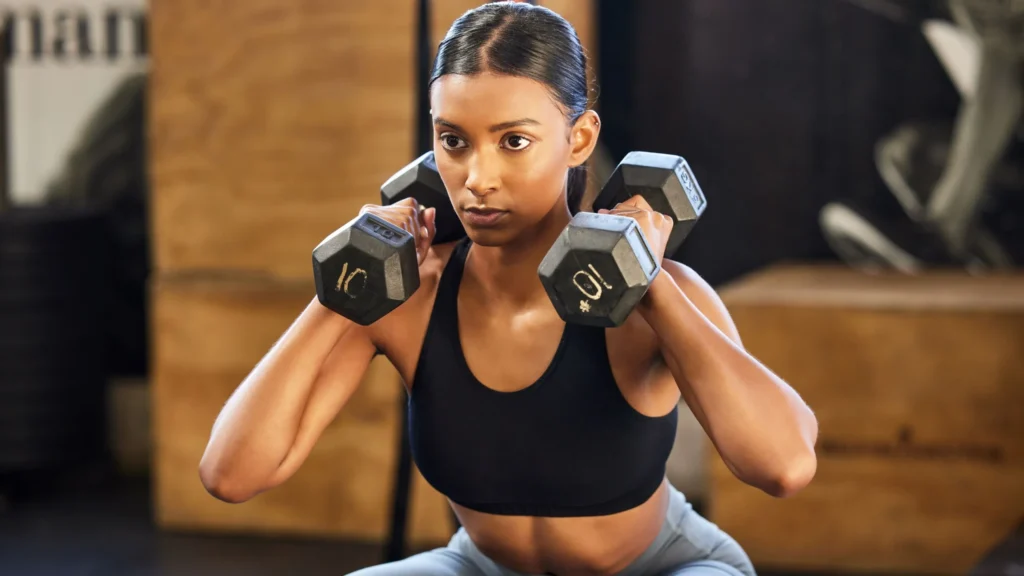
The longing to find a path to longevity as a woman often feels like a battle. First, it’s calorie counting to burning those calories to shrink, and now the new line of thinking: strength training for women, lifting heavy, is the real path to longevity. But the questions remain: how and why is this beneficial for longevity? Let’s dive into the importance of muscle and how to maintain and build muscle to promote independence and longevity.
Why Muscle Matters More With Age
Muscle is the body’s most metabolically active tissue and its largest organ. You can strengthen muscle at any age. However, after the age of 30, muscle loss known as sarcopenia begins, and it accelerates as estrogen declines in perimenopause and the challenges that come with it, like rising blood sugar, poor balance, a slower metabolic rate, and reduced stress resilience, are addressed through resistance training (Cruz-Jentoft et al., 2019).
Skeletal muscle is the body’s structural scaffolding. It helps the body maintain posture and move. When muscle decreases, the body tends to break down, and vulnerabilities are exposed, which can lead to soft tissue injuries like torn ligaments or cartilage. Aches and pains increase too, simply because the structural support muscle provides is no longer there.
Stronger muscles, built through the outside resistance of strength training, also help ligaments stay more resilient. The load increases tissue thickness and stimulates joint lubrication. This matters because as estrogen and progesterone decline from perimenopause into menopause, ligaments and tendons tend to become more brittle, and the body’s natural joint lubrication slows down (Gulati et al., 2023).
Supporting joint health matters, too. Along with strength training and regular movement, women may also look for ways to support joint and connective tissue health. Mia Vita® Hyaluronic Acid is formulated to support flexible, comfortable joints and connective tissue function.
Building Bone: The Power of Mechanical Loading
Bone, like muscle, responds to demand. When you load a bone through resistance training, tiny amounts of stress are placed on the skeleton, and the body responds by depositing more mineral into that bone to reinforce it. This process is called mechanical loading, and it’s the reason lifting heavy things is one of the few interventions that actually builds bone density instead of just maintaining it (Mohebbi et al., 2023).
This matters more as estrogen declines. Estrogen plays a protective role in bone remodeling, and when it drops in perimenopause, bone breakdown starts to outpace bone building. This is how osteopenia, a decrease in bone density, can progress to osteoporosis, a more severe loss of bone density that increases fracture risk (Mohebbi et al., 2023).
Metabolic Powerhouse: Muscle as Your Insulin Sink
Then there’s the “glucose sink,” a biological compartment or metabolic tissue that absorbs large amounts of blood sugar. When muscle mass is lower, the body’s ability to use this glucose sink shrinks, leading to glucose insensitivity and, over time, contributing to metabolic diseases like diabetes and weight gain (Sylow et al., 2021). Think of muscle as your body’s “insulin sink.”
After you eat, most of the sugar (glucose) in your blood is shuttled into muscle tissue, where it’s either burned for energy or stored for later use. The more muscle you have, the bigger this sink, meaning your body is better equipped to clear sugar from your bloodstream and keep blood sugar stable. When muscle mass is low, that sink shrinks, making it harder to manage blood sugar and increasing the risk for insulin resistance and type 2 diabetes. Strength training builds more muscle, which expands your glucose sink, improves insulin sensitivity, and acts as a powerful metabolic shield against diabetes (Sylow et al., 2021).
Why Cardio Isn’t Enough for Bone Health
Cardio has its place, but it doesn’t send the same signal to bone. Walking and running are weight-bearing, so they offer some benefit, but they don’t provide the progressive, heavy mechanical load that strength training does. Lower-intensity cardio, such as Zone 2 exercise, can still be an important part of a well-rounded fitness routine. For example, lifting weights, especially compound lifts like squats and deadlifts, places direct stress through the spine and hips, the two most common sites for osteoporotic fractures (Mohammad Rahimi et al., 2020).
Strength isn’t just about what a body can lift in the gym. It’s about what a body can do everywhere else. Carrying groceries, getting up off the floor, catching your balance on an uneven sidewalk- all of it depends on the same muscle and connective tissue systems built through resistance training.
Muscle mass is directly tied to mobility. As muscle is built and maintained, joints have more support moving through their full range of motion, which keeps everyday movement easier and less guarded. This is especially relevant heading into midlife, when the body has less margin for error and recovery slows down (Mohammad Rahimi et al., 2020).
Balance and Fall Prevention
Balance is another piece of this. Falls are one of the leading causes of injury in older adults, and muscle strength, particularly in the legs and core, is one of the strongest predictors of fall risk (Colón-Emeric et al., 2024).
Strength training also builds the resilience that helps prevent injury. As a result, stronger muscles and more resilient connective tissue mean the body can absorb the unexpected: a stumble, a sudden load, an awkward twist, without it turning into a torn ligament or a strained back.
Summary: The Unique Benefits of Strength Training for Women
Resistance training provides a unique mechanical stimulus to bone that aerobic exercise cannot match. Lifting weights applies direct load to bones, especially in areas most prone to osteoporosis, like the spine and hips. This load prompts the body to increase bone mineral density, making bones stronger over time. Cardio, while beneficial for heart health, doesn’t deliver the same signal for new bone growth (Xiaoya et al., 2025).
How to Start Strength Training for Women
If you’re used to high-intensity cardio, start by incorporating two full-body strength sessions per week. Focus on learning form and technique before increasing weight. Allow rest days between sessions so your muscles and joints can adapt. Over time, gradually increase the load and reduce cardio frequency if needed.
Start with compound movements like squats, deadlifts, and push-ups. These target multiple muscle groups at once. Choose a weight that feels challenging by the last few reps, but not so heavy that form breaks down. Two to three sessions per week is a solid starting point. Consistency matters more than intensity in the beginning.
Women rarely “bulk up” from strength training due to lower testosterone levels. Instead, most notice improved definition, strength, and confidence (Hunter et al., 2023). To minimize injury risk, focus on controlled movement and proper technique. If the gym feels intimidating, try starting at home with dumbbells, resistance bands, or bodyweight exercises. Community classes or working with a trainer can also help.
Muscle is more than aesthetic; it’s an active organ that protects bone, regulates metabolism, and preserves independence as we age. Strength training is a form of medicine, supporting a woman’s body through every decade of life.
Building and maintaining muscle is an investment in your future self. Every rep, every session, lays a foundation for better mobility, resilience, and quality of life. Start now, and let strength become your long-term strategy for health and longevity.
References:
- Cruz-Jentoft AJ, Bahat G, Bauer J, Boirie Y, Bruyère O, Cederholm T, Cooper C, Landi F, Rolland Y, Sayer AA, Schneider SM, Sieber CC, Topinkova E, Vandewoude M, Visser M, Zamboni M; Writing Group for the European Working Group on Sarcopenia in Older People 2 (EWGSOP2), and the Extended Group for EWGSOP2. Sarcopenia: revised European consensus on definition and diagnosis. Age Ageing. 2019 Jan 1;48(1):16-31. doi: 10.1093/ageing/afy169. Erratum in: Age Ageing. 2019 Jul 1;48(4):601. doi: 10.1093/ageing/afz046. PMID: 30312372; PMCID: PMC6322506.
- Gulati M, Dursun E, Vincent K, Watt FE. The influence of sex hormones on musculoskeletal pain and osteoarthritis. Lancet Rheumatol. 2023 Apr;5(4):e225-e238. doi: 10.1016/S2665-9913(23)00060-7. PMID: 38251525.
- Mohebbi R, Shojaa M, Kohl M, von Stengel S, Jakob F, Kerschan-Schindl K, Lange U, Peters S, Thomasius F, Uder M, Kemmler W. Exercise training and bone mineral density in postmenopausal women: an updated systematic review and meta-analysis of intervention studies with emphasis on potential moderators. Osteoporos Int. 2023 Jul;34(7):1145-1178. doi: 10.1007/s00198-023-06682-1. Epub 2023 Feb 7. PMID: 36749350; PMCID: PMC10282053.
- Sylow L, Tokarz VL, Richter EA, Klip A. The many actions of insulin in skeletal muscle, the paramount tissue determining glycemia. Cell Metab. 2021 Apr 6;33(4):758-780. doi: 10.1016/j.cmet.2021.03.020. PMID: 33826918.
- Mohammad Rahimi GR, Smart NA, Liang MTC, Bijeh N, Albanaqi AL, Fathi M, Niyazi A, Mohammad Rahimi N. The Impact of Different Modes of Exercise Training on Bone Mineral Density in Older Postmenopausal Women: A Systematic Review and Meta-analysis Research. Calcif Tissue Int. 2020 Jun;106(6):577-590. doi: 10.1007/s00223-020-00671-w. Epub 2020 Feb 13. PMID: 32055889.
- Colón-Emeric CS, McDermott CL, Lee DS, Berry SD. Risk Assessment and Prevention of Falls in Older Community-Dwelling Adults: A Review. JAMA. 2024;331(16):1397–1406. doi:10.1001/jama.2024.1416
- Xiaoya L, Junpeng Z, Li X, Haoyang Z, Xueying F, Yu W. Effect of different types of exercise on bone mineral density in postmenopausal women: a systematic review and network meta-analysis. Sci Rep. 2025 Apr 5;15(1):11740. doi: 10.1038/s41598-025-94510-3. PMID: 40188285; PMCID: PMC11972399.
- Hunter, S. K., Angadi, S. S., Bhargava, A., Harper, J., Hirschberg, A. L., Levine, B. D., Moreau, K. L., Nokoff, N. J., Stachenfeld, N. S., & Bermon, S. (2023). The Biological Basis of Sex Differences in Athletic Performance: Consensus Statement for the American College of Sports Medicine. Translational Journal of the American College of Sports Medicine, 8(4), 1–33. https://doi.org/10.1249/TJX.0000000000000236
About the Author
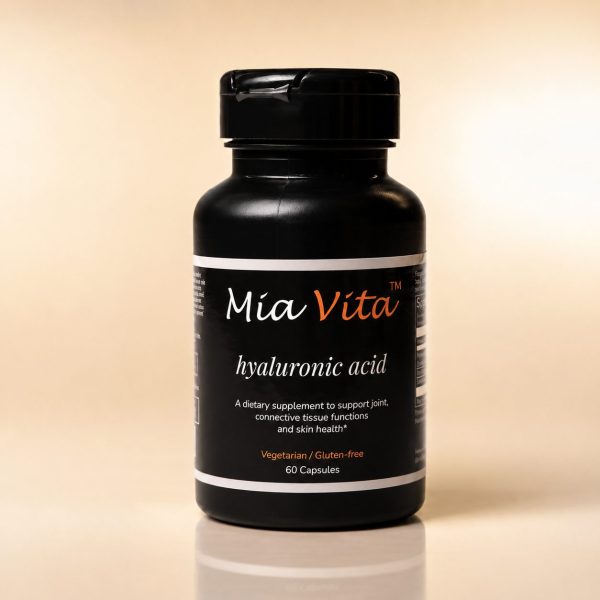
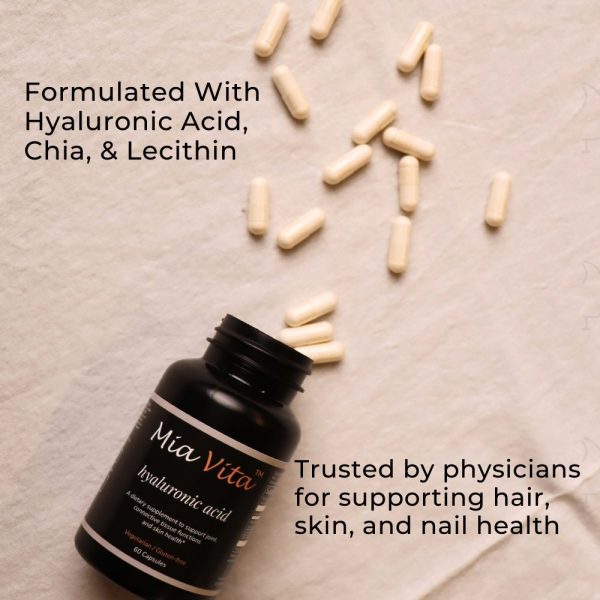

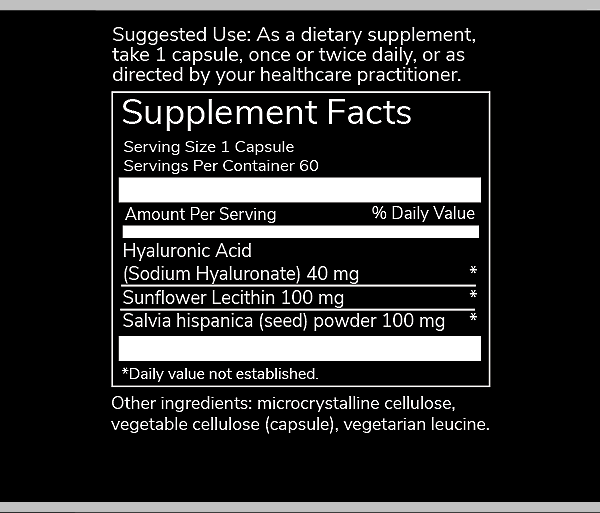
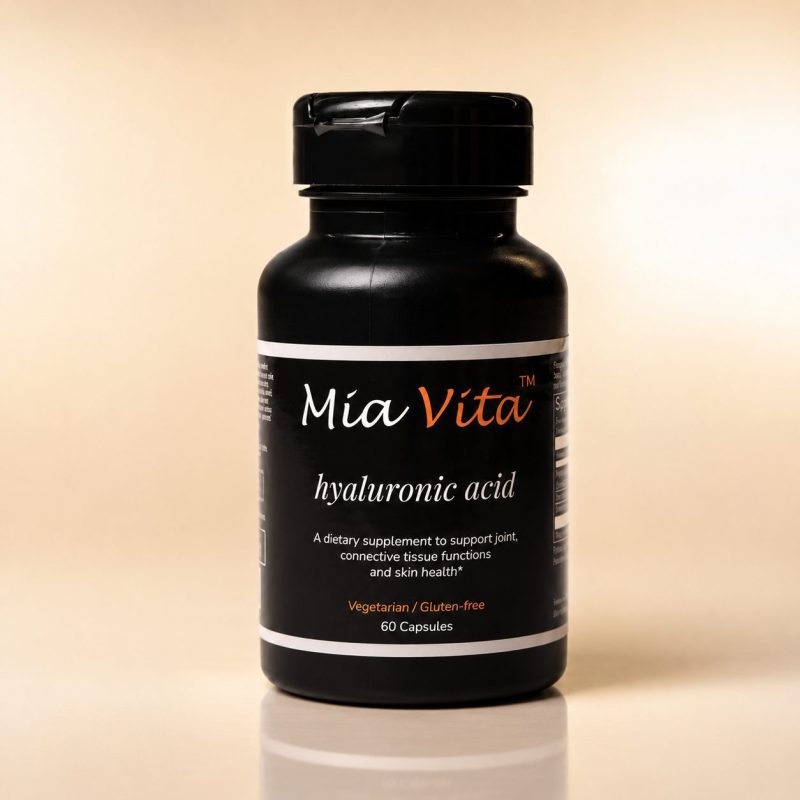
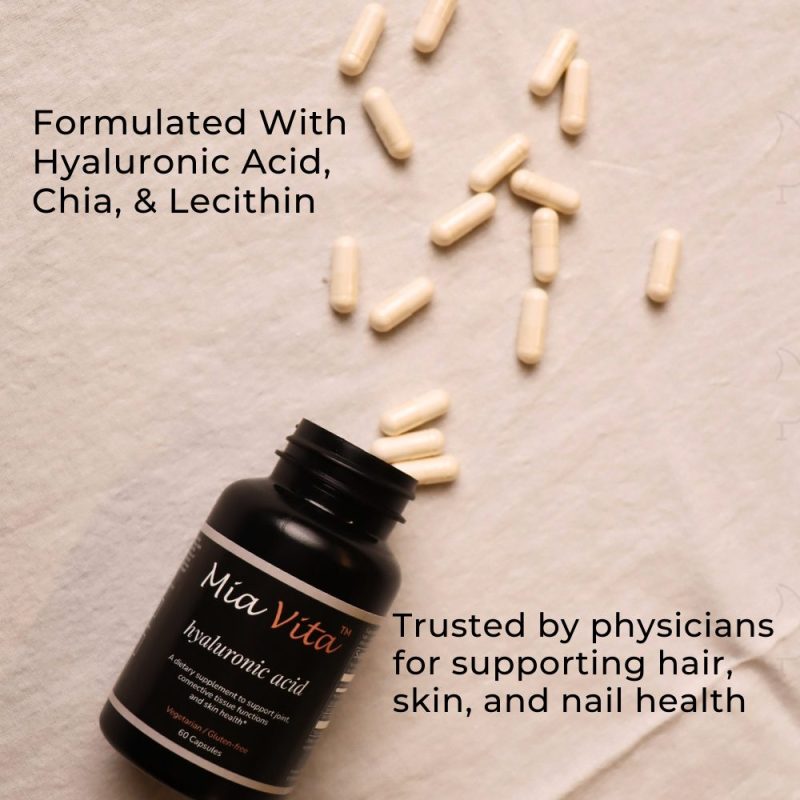
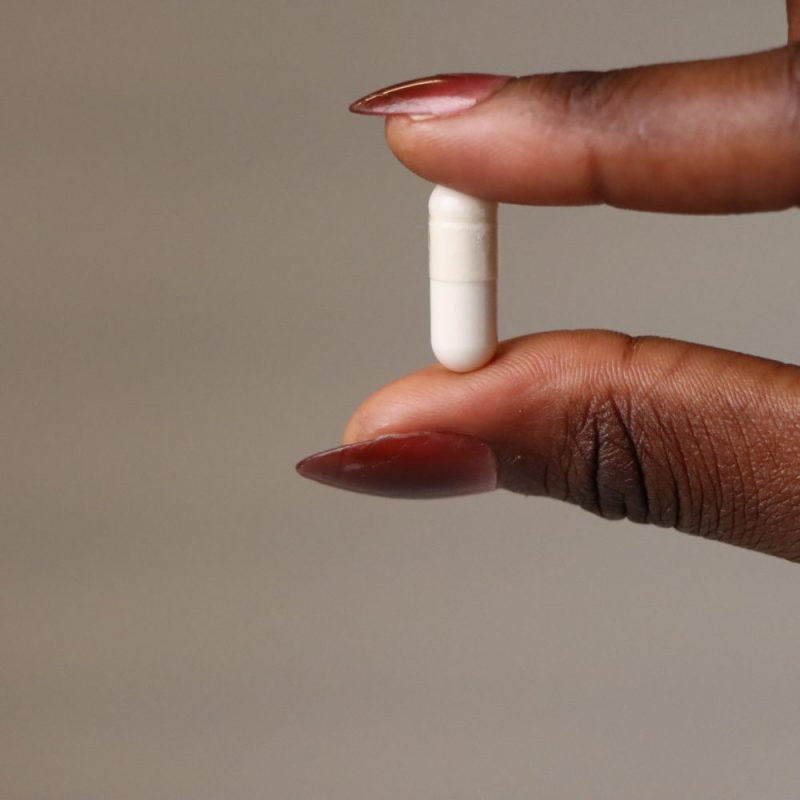
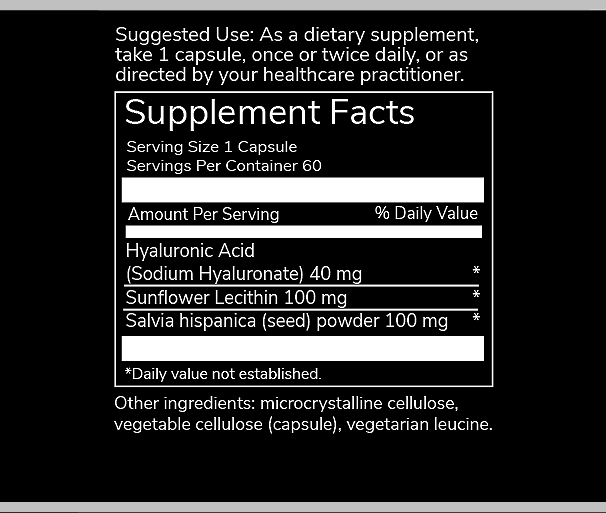
Mia Vita® Hyaluronic Acid (Oral Dietary Supplement)
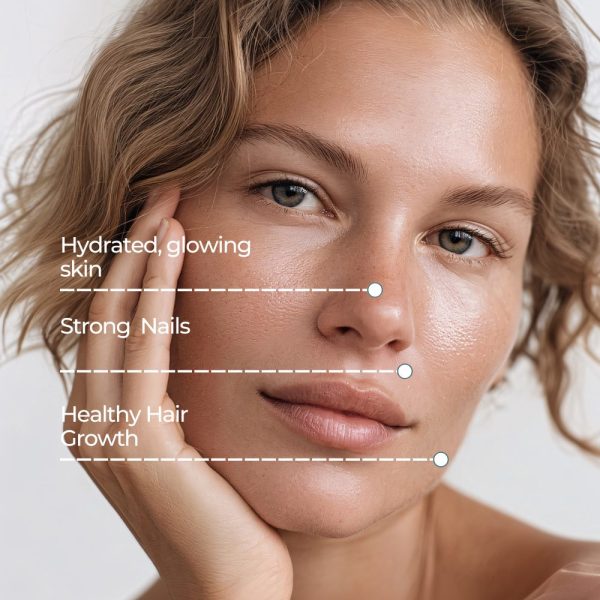
Premium hyaluronic acid supplement designed to support hydrated, glowing skin, strong nails, healthy hair growth, and flexible, comfortable joints. Our formula helps your body retain moisture where it matters most—inside and out.