
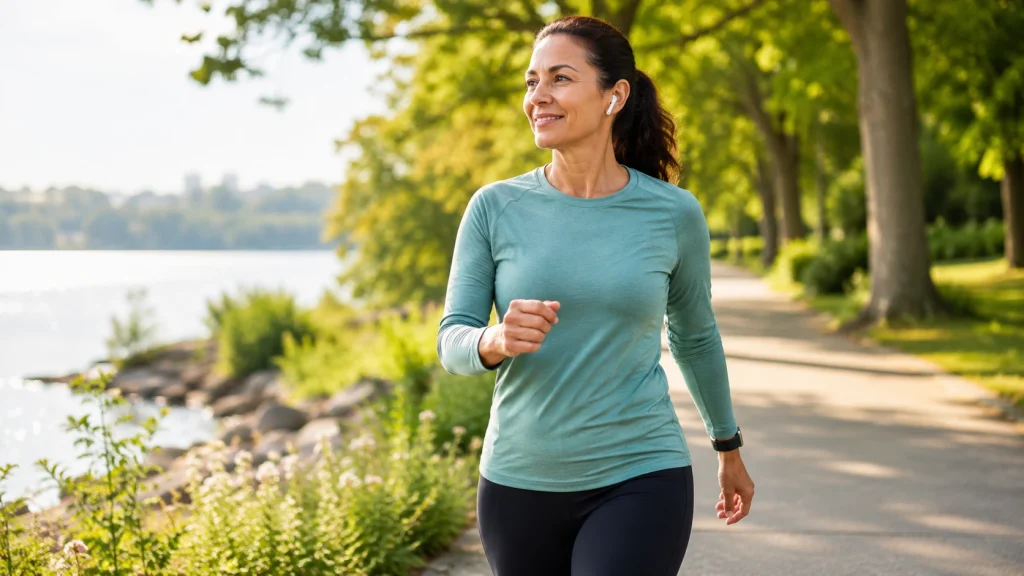
Why HIIT Can Trigger Chronic Stress and Cortisol Spikes
In the early 2000s, HIIT workouts became popular in boutique fitness studios as a way for busy people to fit in a tough workout in less time. Many gyms and classes started using HIIT to boost cardiovascular fitness, burn calories, and foster overall health (Poon et al., 2024). But what counts as “effective” depends on the person, their stress levels, and their stage of life. Zone 2 training for cortisol balance
High-intensity training can sharply raise cortisol, which is a problem if you’re already stressed. That’s where allostatic load comes in: your nervous system reacts to a hard workout the same way it does to a stressful week at work. That said, while HIIT is still popular, less intense options like Zone 2 training and steady-state cardio can also be very helpful.
The Impact of High-Intensity Workouts During Perimenopause
Cortisol isn’t bad; it’s a hormone everyone needs to survive. But when you’re dealing with a lot of life stress and add tough workouts to it, your body can get out of balance. Regular physical activity, even if it’s not intense, can help. For example, a 2022 review found that sticking to a regular exercise routine lowered cortisol levels (De Nys et al., 2022). In a 2026 study, aerobic exercise helped balance cortisol in a perimenopausal model, likely through effects on the gut-brain-endocrine system (Qin et al., 2026).
Another 2024 study showed that structured exercise improved physical symptoms and mood in perimenopausal women (Kim et al., 2024). A 2026 review also found that consistency and routine matter more than how hard you work out for managing symptoms (Qin et al., 2026).
When evaluating the benefits of Zone 2 training for cortisol balance, it helps to understand the physical mechanics.
The Science Behind Zone 2 Training for Cortisol Balance
Zone 2 is the highest workout intensity at which your body primarily burns fat, and you can still talk comfortably. It’s just below the first lactate threshold, which the 2025 ACSM/ESSA joint statement calls the first metabolic threshold (MT1) (Szaszkó et al, 2025).
Zone 2 isn’t just an easy stroll. It takes effort and is done with a purpose. A 2026 meta-analysis found that training at the higher end of the low-intensity range, true Zone 2, led to the biggest gains in VO2max. This suggests that Zone 2 is a strong choice for building lasting aerobic fitness (Crowley et al, 2020).
Is Zone 2 Better Than HIIT for Heart Health?
It’s important to note that a 2025 review questions whether Zone 2 is always better than higher-intensity workouts for improving mitochondrial function, especially if you don’t have much time to train (Arvidson et al., 2020). Even so, this doesn’t weaken the argument for Zone 2; it actually makes it clearer. Zone 2 isn’t a miracle fix, but it’s often the best choice for women over 35 who are dealing with a lot of stress.
The Science Behind Zone 2 Training for Cortisol Balance
What the Research Shows About Gentle Movement and Cortisol: A 12-week randomized controlled trial with mostly women aged 45-65 found that moderate-intensity exercise at 60-65% of heart rate reserve lowered cortisol by about 17%. It also increased DHEA-S levels, thereby improving the balance between hormone synthesis and breakdown (Storoschuk et al., 2025).
Women who regularly performed Zone 2 workouts had better cardiorespiratory fitness, which was associated with a calmer heart rate under stress and better sleep (Nuuttila et al., 2026). In addition, when aerobic exercise was paired with slow, deep breathing or mindfulness, cortisol dropped even more than with exercise alone (Bishop et al., 2025).
Zone 2 exercise helps turn on your body’s relaxation system. It lets you get fitter without adding extra stress. For women dealing with perimenopause, sleep issues, and the usual pressures of midlife, this difference is really important.
How to Fit Zone 2 Workouts Into Your Weekly Routine
Zone 2 workouts include incline walking, easy cycling, relaxed trail running, swimming, or rowing. If you can talk but wouldn’t want to sing, you’re likely in Zone 2. For midlife women, the current advice is to get 150-300 minutes of moderate aerobic activity each week (McNulty et al., 2026). But if you have a busy schedule or find it hard to reach these numbers, remember that any amount of movement is beneficial. Even shorter sessions, like 10- to 20-minute walks or bike rides a few times a week, can make a difference. The goal is to build a routine that fits your life and feels manageable. Consistency matters more than perfection.
How to Build a Balanced, Low-Stress Weekly Fitness Plan
Add strength training to your routine, since it’s essential for bone health, metabolism, and body composition in your 30s and 40s. From there, a good weekly plan is two to three Zone 2 sessions, two to three strength sessions, and one real rest day. If you have any health conditions or concerns, be sure to check with a healthcare professional before starting a new exercise routine. This helps ensure your workouts are safe and work for your unique needs.
Regarding lowering cortisol, a 2023 meta-analysis found that the type of exercise didn’t matter as much as consistency (Kim et al., 2024). So stick with it, keep your workouts manageable, and give your body time to recover.
Simple Movement, Lasting Support
Choosing not to do HIIT isn’t about settling for less. It’s about working with your body, not against it. And the science backs this up, so your hormones will thank you.
You don’t have to suffer to deserve rest. What you need is a workout routine that supports you and doesn’t add to your stress. If you’re used to high-intensity workouts, try swapping one or two HIIT sessions each week for a brisk walk, a relaxed bike ride, or a gentle swim. Start with shorter, manageable sessions and focus on building a new habit rather than going all in at once. Think of it as making a positive shift, not giving up. Over time, adopting Zone 2 training for cortisol balance can become just as rewarding and effective. That’s not giving up; that’s getting smarter and developing a program meant for longevity.” That’s not giving up; that’s getting smarter and developing a program meant for longevity.
Preventing Chafing and Irritation During Long Cardio Sessions
Fitness Pro-Tip: Don’t Let Friction Slow You Down Consistency is the key to reaping the rewards of Zone 2 training. If external itching or chafing is making your walks or rides uncomfortable, apply a pearl-sized drop of a fragrance-free vulvar moisturizer before your workout to stay focused on your movement.
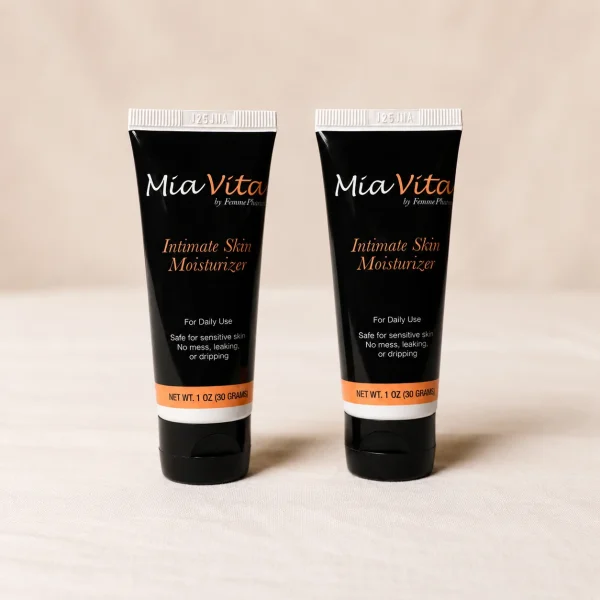
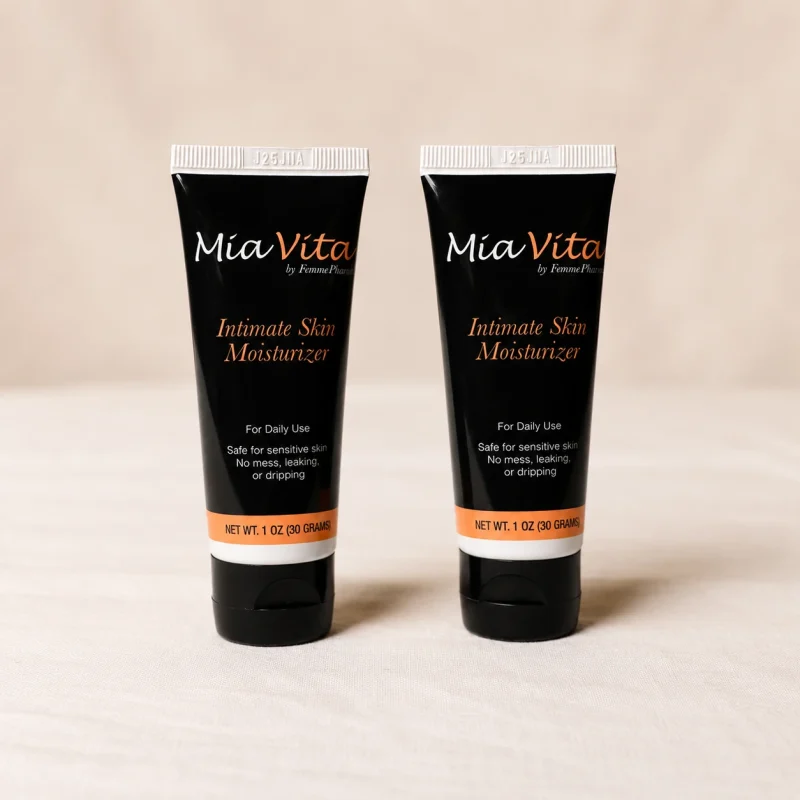
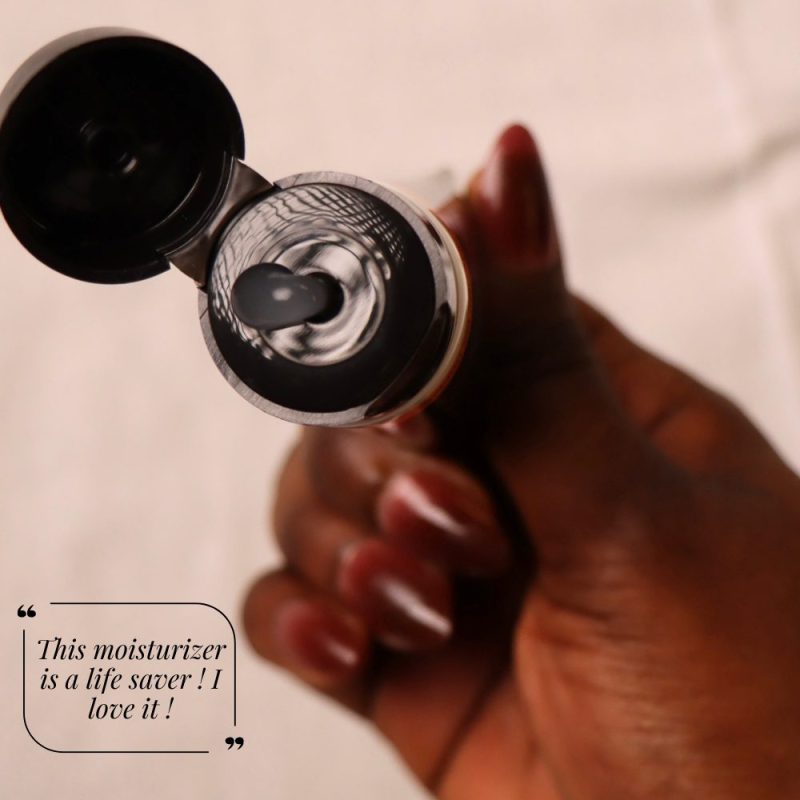
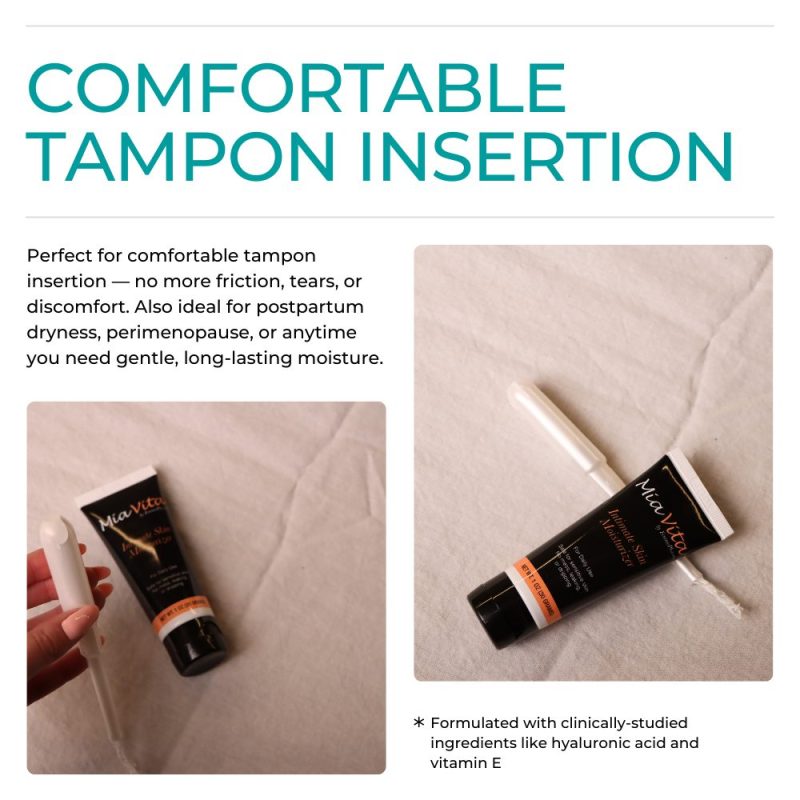
The FemmePharma Mia Vita Intimate Skin Moisturizer provides immediate relief on contact and comes in discreet, portable tubes that easily fit right into your workout bag.
References:
- Poon E-C, Li H-Y, Gibala MJ, Wong S-S, Ho R-T. High-intensity interval training and cardiorespiratory fitness in adults: An umbrella review of systematic reviews and meta-analyses. Scand J Med Sci Sports. 2024;34:e14652. doi:10.1111/sms. 14652
- De Nys L, Anderson K, Ofosu EF, Ryde GC, Connelly J, Whittaker AC. The effects of physical activity on cortisol and sleep: A systematic review and meta-analysis. Psychoneuroendocrinology. 2022 Sep;143:105843. doi: 10.1016/j.psyneuen.2022.105843. Epub 2022 Jun 24. PMID: 35777076.
- Kim, S. M., Ko, Y., Kim, D. S., Kim, N. Y., Hwang, H. C., & Han, D. H. (2024). Effects of sports therapy on improvement of menopausal symptoms, psychological status, and body morphology in perimenopausal women. Menopause (New York, N.Y.), 31(4), 326–335. https://doi.org/10.1097/GME.0000000000002329
- Qin H, You J, Zhou J, Yang L, Xu H, Tao R, Chen R, Cheng Y, Wu W, Sun D, Wu J. Aerobic Exercise Mitigates Perimenopausal Dysfunction and Is Associated With Gut Microbiota Remodeling and Multi-Organ Crosstalk. FASEB J. 2026 Mar 31;40(6):e71646. doi: 10.1096/fj.202504419R. PMID: 41837833.
- Szaszkó, B., Tschenett, H., Ansorge, U., & Nater, U. M. (2025). Hatha yoga reduces momentary stress but does not impact diurnal profiles of salivary cortisol and alpha-amylase: A randomized controlled trial. Psychoneuroendocrinology, 171, 107191. https://doi.org/10.1016/j.psyneuen.2024.107191
- Crowley, S. K., Rebellon, J., Huber, C., Leonard, A. J., Henderson, D., & Magal, M. (2020). Cardiorespiratory fitness, sleep, and physiological responses to stress in women. European journal of sport science, 20(10), 1368–1377. https://doi.org/10.1080/17461391.2020.1716855
- Arvidson, E., Dahlman, A. S., Börjesson, M., Gullstrand, L., & Jonsdottir, I. H. (2020). The effects of exercise training on hypothalamic-pituitary-adrenal axis reactivity and autonomic response to acute stress: a randomized controlled study. Trials, 21(1), 888. https://doi.org/10.1186/s13063-020-04803-3
- Storoschuk, K. L., Moran-MacDonald, A., Gibala, M. J., & Gurd, B. J. (2025). Much Ado About Zone 2: A Narrative Review Assessing the Efficacy of Zone 2 Training for Improving Mitochondrial Capacity and Cardiorespiratory Fitness in the General Population. Sports medicine (Auckland, N.Z.), 55(7), 1611–1624. https://doi.org/10.1007/s40279-025-02261-y
- Nuuttila, O.-P., Matomäki, P., Raitanen, J., Sievänen, H., & Vasankari, T. (2026). Effects of low-intensity endurance training on aerobic fitness and risk factors of cardiometabolic health in working-age adults: A systematic review and meta-analysis. Scandinavian Journal of Medicine & Science in Sports, 36(1), e70208. https://doi.org/10.1111/sms.70208
- Bishop, D. J., Beck, B., Biddle, S. J. H., Denay, K. L., Ferri, A., Gibala, M. J., Headley, S., Jones, A. M., Jung, M., Lee, M. J.-C., Moholdt, T., Newton, R. U., Nimphius, S., Pescatello, L. S., Saner, N. J., & Tzarimas, C. (2025). Physical activity and exercise intensity terminology: A joint American College of Sports Medicine (ACSM) expert statement and Exercise and Sport Science Australia (ESSA) consensus statement. Medicine & Science in Sports & Exercise, 57(11), 2599–2613. https://doi.org/10.1249/MSS.0000000000003795
- McNulty, K. L., Murphy, M., Flynn, E., Lane, A., Muldoon, A., Kealy, R., Harrison, M., Windle, J., & Heavey, P. (2026). The effectiveness of lifestyle interventions, including exercise, diet, and health education on symptoms experienced during perimenopause: A systematic review of randomized controlled trials. Journal of Aging and Physical Activity, 34(3), 380–403. https://doi.org/10.1123/japa.2024-0226
- Kim, S. M., Ko, Y., Kim, D. S., Kim, N. Y., Hwang, H. C., & Han, D. H. (2024). Effects of sports therapy on improvement of menopausal symptoms, psychological status, and body morphology in perimenopausal women. Menopause, 31(4), 326–335. https://doi.org/10.1097/GME.0000000000002329
About The Author



Mia Vita® Intimate Skin Moisturizer
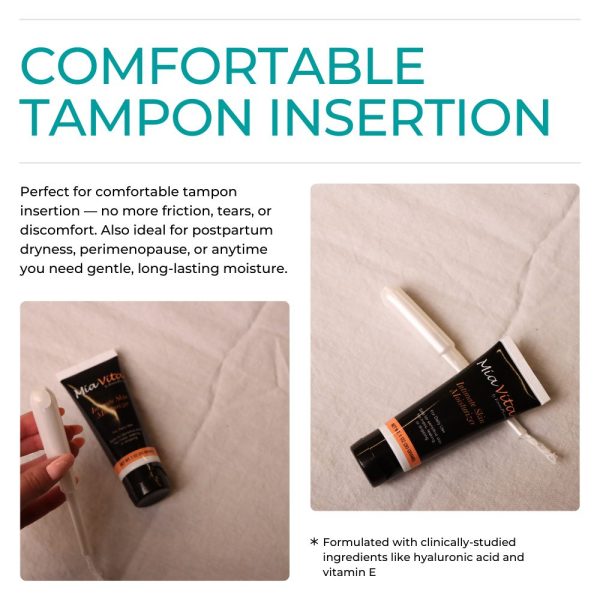
Superior hydration with Mia Vita® Gel (Intimate Skin Moisturizer). Provides relief on contact as it reduces vulvar dryness, itching, burning, and other discomforts AND made without hormones. It is specially designed for application to the vulva, labia, and surrounding vaginal area. Women’s preferred solution for maximum hydration and protection of delicate vulvar skin with ingredients naturally found in our bodies, such as hyaluronic acid and vitamin E. Use daily as an intimate skin moisturizer. Package includes four tubes. (one ounce per tube)