

A World of Flavor for Better Gut Health
When it comes to supporting gut health, some of the best foods are not new discoveries. In fact, many have been staples in traditional diets for centuries. Around the world, cultures have long relied on ancient grains, cabbage, legumes, herbs, and spices to nourish both the body and the digestive system.
Today, research continues to highlight the importance of eating a wide variety of fiber rich foods to support a healthy gut microbiome. The trillions of microorganisms living in your digestive tract influence digestion, immune function, metabolism, and even mood. By exploring global flavors and traditional ingredients, you can add more diversity to your meals while supporting your digestive wellness.
Why Gut Health Matters
A healthy gut does far more than digest food. It plays a central role in nutrient absorption, immune defense, hormone regulation, and overall wellbeing. Research suggests that a diverse gut microbiome is associated with better digestive health and improved metabolic function. One of the most effective ways to encourage this diversity is by regularly consuming a variety of plant foods, particularly fiber rich foods that act as fuel for beneficial gut bacteria.
Additionally, fermented foods, vegetables, legumes, and whole grains can help create an environment where beneficial microbes thrive.
For women looking for extra digestive support, probiotics may also be beneficial. The Mia Vita® Women’s Probiotic contains clinically studied probiotic strains designed to support digestive, vaginal, and urinary tract health as part of a balanced wellness routine.
Ancient Grains: Traditional Foods Making a Comeback
Ancient grains are grains and seeds that have remained largely unchanged for hundreds or even thousands of years. They provide valuable nutrients, including fiber, vitamins, minerals, and plant compounds that support overall health.
Popular examples include:
- Quinoa
- Millet
- Amaranth
- Sorghum
- Teff
- Farro
Many ancient grains contain more fiber than refined grains, making them excellent choices for supporting gut health.
For example, quinoa is rich in fiber, protein, magnesium, and antioxidants. Farro provides resistant starch, a type of carbohydrate that beneficial gut bacteria ferment to produce short chain fatty acids. These compounds help maintain the integrity of the gut lining and support digestive health. Try adding ancient grains to soups, salads, grain bowls, or breakfast porridge for a simple way to increase dietary diversity.
Cabbage: The Gut Friendly Superstar
Cabbage may not be the most glamorous vegetable, but it deserves a place on your plate. This affordable cruciferous vegetable provides fiber, vitamin C, vitamin K, and beneficial plant compounds. Both green and red cabbage support gut health by providing prebiotic fibers that nourish beneficial bacteria. Red cabbage also contains anthocyanins, natural antioxidants that may help reduce inflammation.
Around the world, cabbage appears in many traditional dishes. Examples include:
- Sauerkraut from Germany
- Kimchi from Korea
- Coleslaw from the United States
- Stuffed cabbage rolls from Eastern Europe
- Okonomiyaki (cabbage pancake) from Japan
- Curtido from El Salvador
Fermented cabbage products such as sauerkraut and kimchi offer an additional benefit because they contain live microorganisms created during fermentation. Research suggests that fermented foods may help increase microbial diversity and support digestive function when consumed regularly.
Legumes: Nutritional Powerhouses for the Microbiome
Legumes are among the most valuable fiber rich foods you can eat. This group includes:
- Lentils
- Chickpeas
- Black beans
- Kidney beans
- Peas
Legumes are rich in fiber, plant protein, resistant starch, and essential minerals. These nutrients help nourish beneficial gut bacteria while promoting fullness and stable blood sugar levels. Many traditional diets around the world feature legumes as a dietary staple. Mediterranean cuisine uses chickpeas and lentils extensively. Latin American dishes often include black beans. Indian cooking features lentils in dishes such as dal.
Furthermore, legumes provide a wide range of prebiotic fibers that support the growth of beneficial bacteria. Research shows that regular legume consumption may positively influence the composition of the gut microbiome.
Adding legumes to soups, stews, salads, and grain bowls is an easy way to increase your intake of plant-based nutrients.
Bringing Global Flavors to Your Plate
One of the simplest ways to improve digestive wellness is to increase dietary variety. Different cultures offer countless opportunities to enjoy diverse plant foods and beneficial spices:
- Mediterranean: olive oil, lentils, herbs, chickpeas
- Asian: cabbage, fermented vegetables, ginger, sesame
- Middle Eastern: hummus, tahini, parsley, bulgur
- African: sorghum, millet, beans, leafy greens
- South American: quinoa, black beans, avocado
Research from the American Gut Project found that people who consume a wider variety of plant foods tend to have greater microbial diversity than those with less varied diets. Instead of focusing on restrictive eating, consider adding one new plant food or global ingredient to your meals each week.
Supporting Your Gut Health Beyond Food
While food forms the foundation of digestive wellness, other lifestyle factors also matter.
To support a healthy microbiome:
- Eat a variety of plant foods
- Prioritize fiber rich foods
- Stay physically active
- Manage stress levels
- Get adequate sleep
- Stay hydrated
Additionally, some women may choose to include a probiotic supplement as part of their routine. The Mia Vita® Women’s Probiotic was developed specifically for women’s digestive and intimate health needs and can complement a balanced diet and healthy lifestyle.
Simple Foods, Lasting Gut Support
Supporting gut health does not require complicated diets or expensive superfoods. Some of the most beneficial choices are traditional ingredients that have nourished people for generations. By incorporating ancient grains, cabbage, legumes, and a variety of global flavors into your meals, you can naturally increase your intake of fiber rich foods and encourage a more diverse gut microbiome. Small changes can make a meaningful difference. Exploring new ingredients, enjoying traditional foods, and prioritizing variety may help support digestive wellness for years to come.
About the Author
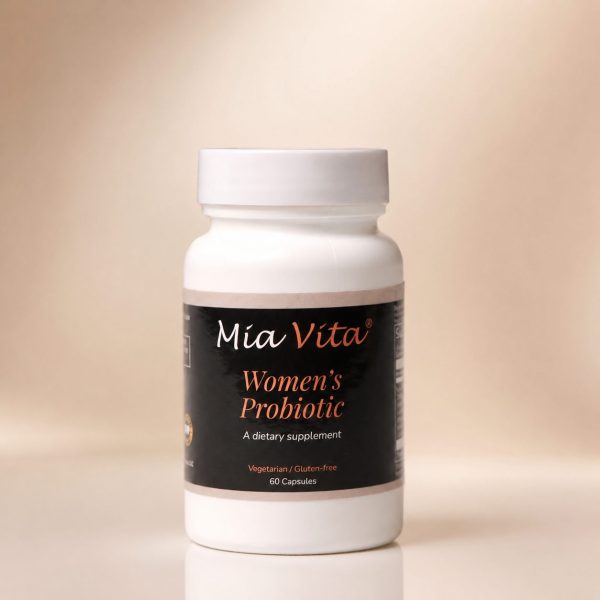




Mia Vita® Women’s Probiotic
One Daily Probiotic. Three Important Areas of Women’s Wellness.
Gut Health • Gut-Brain Connection • Vaginal Wellness
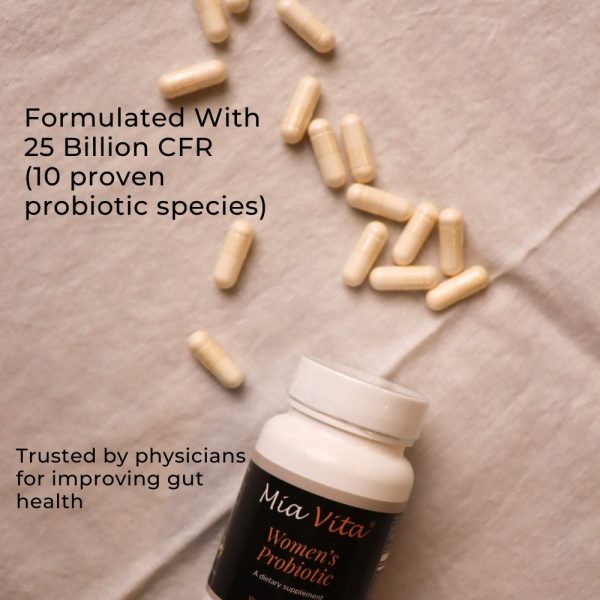
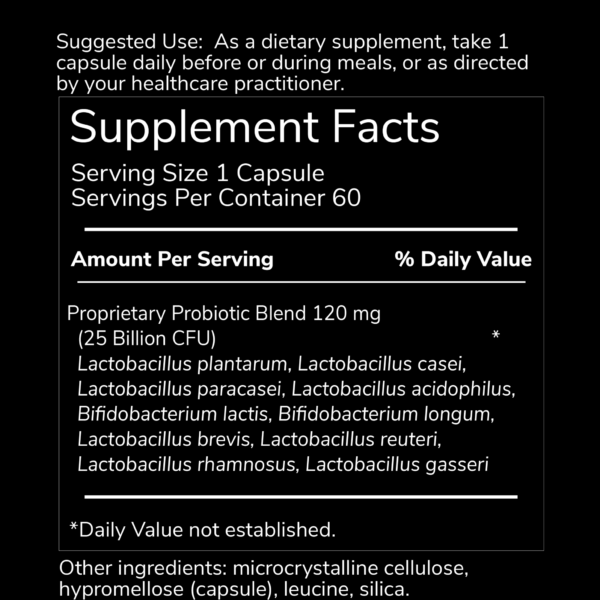
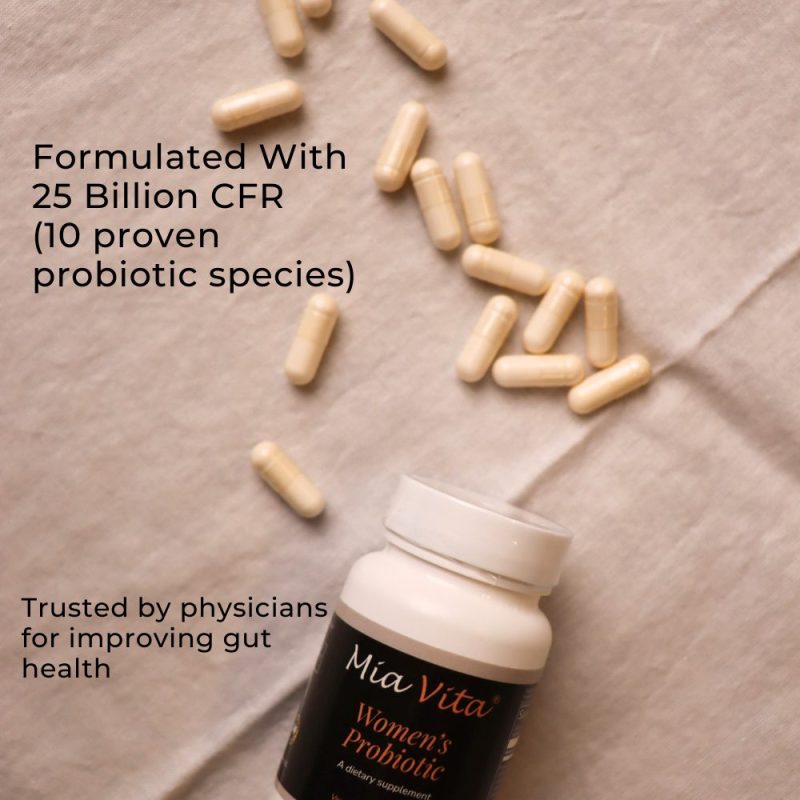
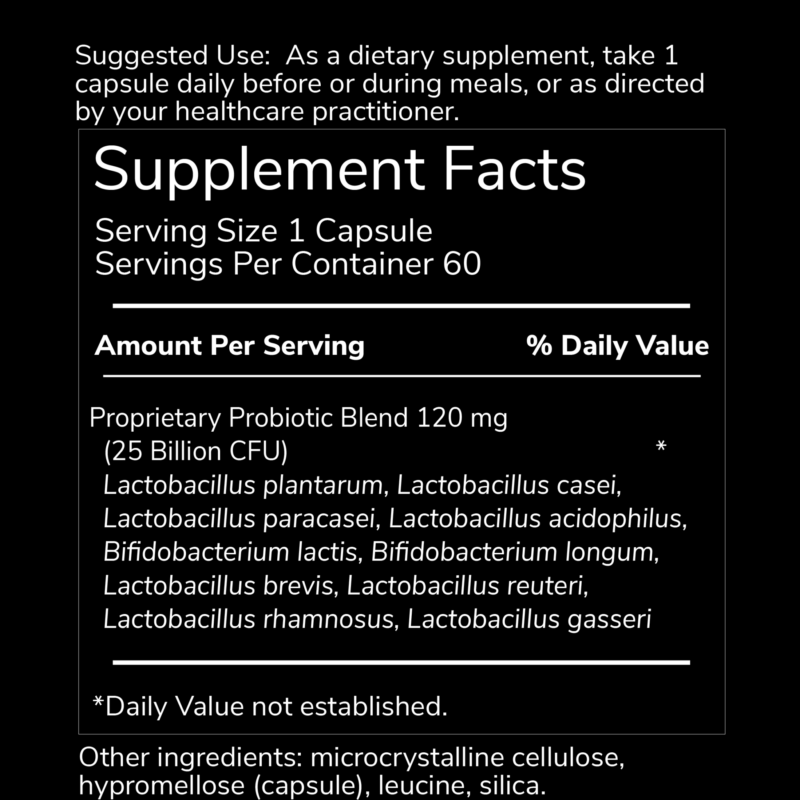
Your microbiome does more than support digestion. The beneficial bacteria living in and on your body are part of complex systems connected to digestive health, the gut-brain connection, and vaginal wellness. Mia Vita® Women’s Probiotic delivers 25 billion CFU from 10 probiotic species in one daily capsule, formulated to support a healthy gut and vaginal microbiome.*
60 vegetarian capsules | 2-month supply | Gluten-free