
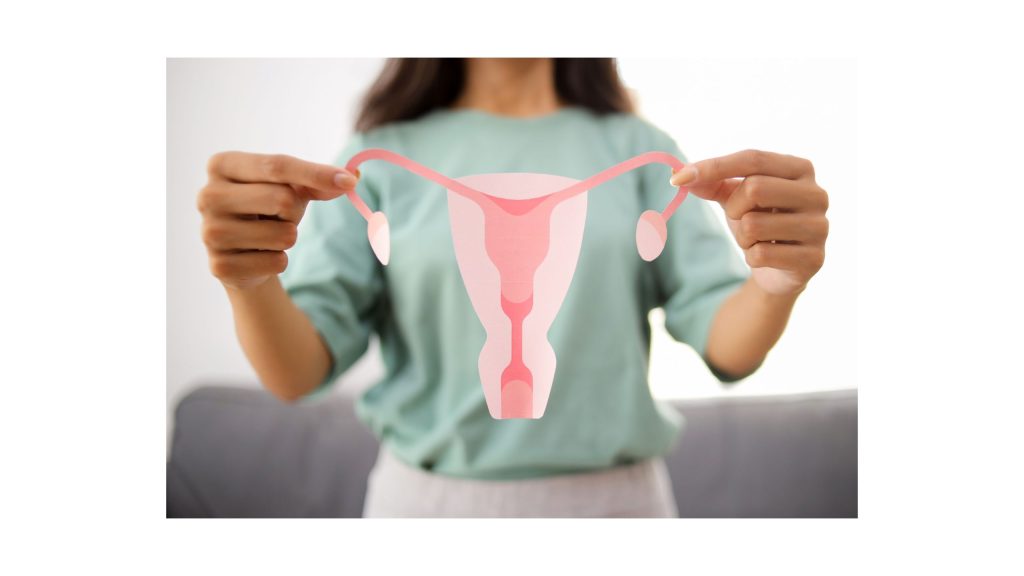
For many women in perimenopause and menopause, sexually transmitted infections can feel like something firmly in the rearview mirror—part of youth, dating years, or a past chapter of life. But one STI deserves our attention at every age: HPV in menopause is a topic often overlooked, yet human papillomavirus remains a critical health factor for women over 40. It’s not just common—it’s responsible for cervical cancer, which remains the second leading cause of cancer death in women worldwide.
That statistic alone is enough to pause. But the more important takeaway is this: cervical cancer is largely preventable. With the right information, screening, and prevention tools, no woman should die from it.
The Reality of HPV in Menopause: Common, Silent, and Serious
HPV is incredibly common. In fact, about 80% of women in the U.S. will contract at least one strain of HPV during their lifetime. There are over 100 strains of the virus, but only a handful are considered “high-risk” because they can lead to cancer—most notably strains 16, 18, and 45.
HPV is transmitted through intimate skin-to-skin contact. Intercourse isn’t required. That means even women who have had only a few partners—or haven’t been sexually active in years—may have been exposed earlier in life.
Here’s what makes HPV particularly tricky: it’s usually silent. Most women have no symptoms at all. The immune system often clears the virus on its own, but when it doesn’t, HPV can linger quietly for years—sometimes a decade or more—before causing cellular changes that lead to cervical cancer.
HPV Symptoms to Never Ignore
While HPV itself rarely causes symptoms, cervical cancer can. One of the most important red flags is bleeding after intercourse, especially after menopause. It doesn’t automatically mean cancer, but it always warrants evaluation.
Other signs may include unusual vaginal bleeding, pain during sex, or visible growths such as genital warts. Any new or changing lesion—especially one that grows quickly—should be checked by a healthcare provider.
Why Pap Smears Still Matter After 40
One of the most dangerous myths is that pap smears aren’t necessary after menopause or once a woman stops being sexually active. In reality, cervical cancer often shows up in women in their late 40s and 50s, precisely because screening stopped years earlier.
HPV-related cervical cancer can take 10 years or more to develop. So even if your last sexual relationship was decades ago, screening still matters. Current U.S. guidelines recommend HPV testing and Pap smears every five years starting at age 30, assuming results are normal.
Skipping screenings creates a silent window where cancer can develop unnoticed.
The HPV Vaccine: Not Just for the Young
The HPV vaccine has been a game changer in cancer prevention. It protects against the most aggressive, cancer-causing strains of HPV and is recommended for both girls and boys.
Many women over 40 assume the vaccine doesn’t apply to them—but that’s not always true. While it doesn’t treat existing HPV, it can still offer protection against strains you haven’t been exposed to. It’s worth discussing with your healthcare provider, especially if you’re dating, divorced, or entering new relationships later in life.
The New HPV Self-Test
One of the most exciting recent developments is the FDA approval of HPV self-testing.
There are now:
- Self-administered HPV tests done in a doctor’s office, where you collect the sample yourself.
- One FDA-approved at-home HPV test, allowing women to collect a vaginal swab and mail it to a lab for analysis.
This is a huge step forward for women who avoid pelvic exams, live in rural areas, or face barriers to care. However, there are important caveats:
- At-home HPV tests are not yet widely covered by insurance.
- A positive result does not replace a Pap smear or pelvic exam.
- A positive test means follow-up care is essential.
Think of it like a home colon cancer screening: helpful, empowering—but only the first step.
HPV Prevention Is Power
Cervical cancer is one of the most preventable cancers we know. Between the HPV vaccine, regular Pap smears, and now HPV self-testing, women have more control than ever.
Understanding the risks of HPV in menopause means you don’t have to disengage from your sexual health, it’s the time to stay informed, proactive, and protected. HPV doesn’t care about age, relationship status, or life stage. But with the right tools, you can stop cervical cancer before it starts.
So make that appointment, and have that conversation. Your health is worth it.
For a deeper dive into this topic, see the related podcast: HPV and Cervical Cancer: What Women (and Men) Need to Know with Dr. Katherine Sherif.