
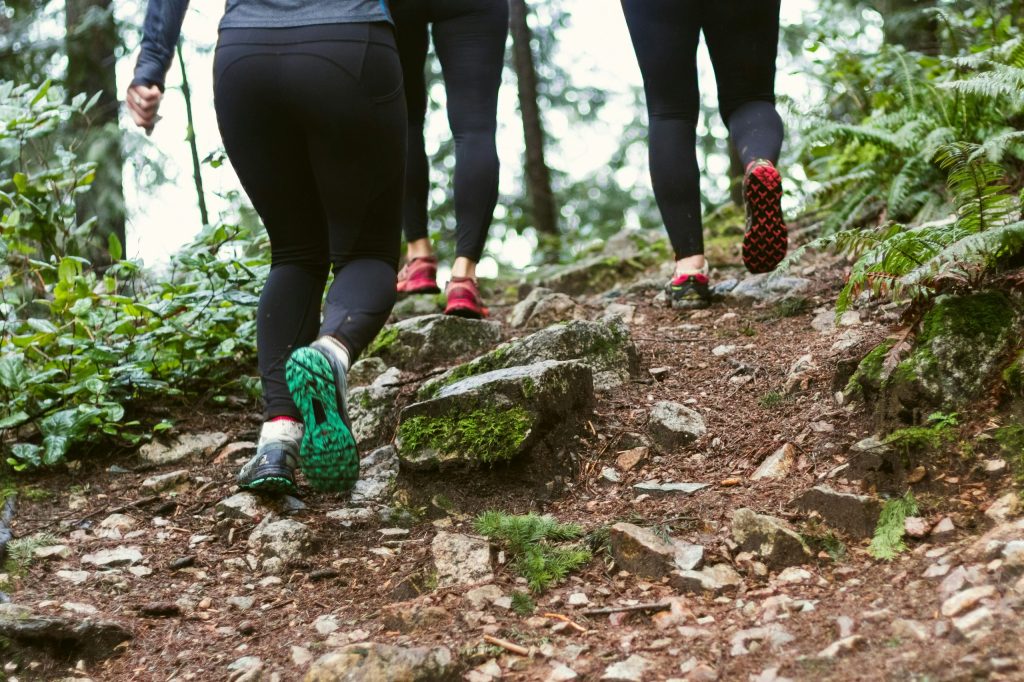
Walking is one of the most accessible and effective forms of cardio, offering significant cardiovascular, metabolic, and muscular benefits. Making walking a consistent part of your daily routine can help you feel more energized, stronger, and more confident in your everyday life. Thanks to several new trends and tools, fitting walking into modern routines has never been easier.
Walking Benefits for Women 40 and Older
For women in their 40s and beyond, walking becomes an especially powerful wellness tool. Research consistently shows that walking interventions in perimenopausal and postmenopausal women improve body composition, cardiovascular fitness, bone health, and metabolic markers. These benefits can vary depending on the intensity and style . Even moderate programs can produce meaningful health gains.
Key Outcomes for Women 40+
Regular walking can help reduce body mass index, body weight, and body fat percentage. Moderate-intensity programs lasting 12 weeks have been shown to decrease weight, body fat, and markers of vascular inflammation (Son et al., 2023). Cardiovascular benefits include better cholesterol profiles (higher HDL, lower LDL), improved VO₂max, and lower blood pressure—particularly important during and after menopause, when cardiovascular risk climbs (Cebula et al., 2020; Wiacek et al., 2023).
Walking also supports bone health. While low-intensity walking helps maintain bone mineral density and counteracts age-related bone loss, higher-intensity walks—like brisk walking, stair climbing, or using a weighted vest—can further boost short-term bone health (Cebula et al., 2020). However, as with any new regimen, especially weight-bearing or weighted walking, it’s wise to progress gradually and consult with a professional if you have concerns.
Some specialty walking styles, such as Nordic walking (using poles), may offer additional cardiorespiratory and fat-loss benefits (Cebula et al., 2020), though regular brisk walking remains highly effective for most women (Wiacek et al., 2023). Music-paced or rhythm-based walking can also enhance enjoyment and adherence (Wang et al., 2022).
It’s worth noting that while evidence for rucking and walking pads in this demographic is promising, more research is needed—especially for long-term outcomes and menopause-specific symptoms (Sydora et al., 2020). Still, walking programs have a high rate of success for improving health in women during the menopause transition and beyond.
Practical Tips for Women Over 40
Aim for 30 minutes of moderate-intensity walking most days of the week, whether in a single session or broken into shorter bouts. Combine walking with resistance training twice weekly to maximize benefits for bone, muscle, and heart health. For those just starting, begin at a comfortable pace and gradually work up to brisk walking and longer durations. Above all, consistency is key—sustained walking habits deliver the greatest rewards over time.
Embracing Different Ways to Walk
Modern walking isn’t limited to strolls around the neighborhood. There are now multiple ways to incorporate walking into your day:
- Outdoor Walking: Enjoy fresh air and varied terrain, which requires greater energy expenditure than walking indoors. Sidewalks, parks, and nature trails all offer unique benefits and can engage different muscle groups.
- Indoor Treadmill or Walking Pad: Perfect for those with tight schedules or inclement weather. Under-desk walking pads let you walk while working, helping you take steps throughout your workday. Just ensure your desk is adjustable so you can maintain good posture.
- Rucking: This military-inspired activity involves walking with a loaded backpack. By adding weight, rucking significantly increases the demands on your body, helping to build strength and endurance. Start with lighter loads and gradually progress to avoid injury.
- Weighted Walking Vests: Unlike rucking, weighted vests distribute weight more evenly across your torso. Wearing a vest that is 10-20% of your body weight can increase exercise intensity and calorie burn. It should be introduced gradually and with professional guidance if you have spine or core concerns.
- Incline Walking: Whether on a treadmill or a hilly path, walking at an incline is an excellent way to boost the challenge without added weight.
Tools to Help You Walk More
- Fitness Trackers & Smartwatches: Devices like Fitbit, Apple Watch, and Garmin not only count your steps but also remind you to move, set goals, and track progress.
- Walking Apps: Apps such as MapMyWalk, Strava, and Pacer offer route tracking, social features, and challenges to keep you motivated.
- Under-Desk Walking Pads: Compact treadmills that fit under your desk let you easily accumulate steps during work hours.
- Pedometers: Simple, affordable step counters help you establish a baseline and monitor progress.
How to Build a Daily Walking Habit
The health benefits of walking ramp up significantly at 8,000-10,000 steps a day, but any increase in daily movement is valuable. Here’s how to get there without feeling overwhelmed:
- Assess Your Baseline: Use a pedometer or smartwatch to track your current daily steps.
- Set Incremental Goals: Gradually work up to the 8,000-10,000 step range, increasing by 500-1,000 steps at a time.
- Break It Up: If a single long walk isn’t possible, take short movement breaks—walk for 2-4 minutes every 20-30 minutes throughout the day.
- Use Tools: Invest in a walking pad, weighted vest, or ruck pack to add variety and challenge.
- Mix It Up: Alternate between outdoor walks, treadmill sessions, and weighted walks to keep things interesting and prevent plateaus.
Safety and Progression
Weighted walking and rucking provide excellent training stimulus, but they do increase the risk of injury if not approached carefully. Start with light weights, progress slowly, and consult a fitness professional if you have underlying health concerns. Remember, weighted walking is a supplement, not a replacement, for strength training.
Conclusion
Walking remains one of the most sustainable and effective ways to boost daily fitness. Whether you prefer outdoor walks, incline treadmill sessions, rucking, or using the latest walking tech, the key is to make it a regular part of your routine. You can easily reach 8,000-10,000 steps and enjoy the numerous benefits of daily walking.
References
Cebula, A., Tyka, A. K., Tyka, A., et al. (2020). Physiological response and cardiorespiratory adaptation after a 6-week Nordic walking training targeted at lipid oxidation in a group of post-menopausal women. *PLOS ONE, 15*(4), e0230917. https://doi.org/10.1371/journal.pone.0230917
Son, W. H., Park, H. T., Jeon, B. H., & Ha, M. S. (2023). Moderate intensity walking exercises reduce the body mass index and vascular inflammatory factors in postmenopausal women with obesity: A randomized controlled trial. *Scientific Reports, 13*(1), 20172. https://doi.org/10.1038/s41598-023-47403-2
Sydora, B. C., Turner, C., Malley, A., et al. (2020). Can walking exercise programs improve health for women in menopause transition and postmenopausal? Findings from a scoping review. *Menopause, 27*(8), 952-963. https://doi.org/10.1097/GME.0000000000001554
Wang, Y., Guo, X., Wang, H., et al. (2022). Training and retention effects of paced and music-synchronised walking exercises on pre-older females: An interventional study. *BMC Geriatrics, 22*(1), 895. https://doi.org/10.1186/s12877-022-03598-z
Wiacek, M., Natora, J., Zubrzycki, I. Z., & Tomasiuk, R. (2023). Physiological responses associated with Nordic-walking and walking in middle-age women. *International Journal of Sports Medicine, 44*(12), 865-870. https://doi.org/10.1055/a-2134-3769