

Do you have energy dips, feel irritable, get anxious and shaky, or find it hard to concentrate throughout the day? What we eat can affect more than just our weight; it influences both blood sugar and anxiety. Focusing on glucose management rather than restrictive dieting and calorie counting can have a positive effect on our cellular health, glucose stability, and overall mental well-being. Understanding how blood sugar affects energy can help us make food choices that are more nourishing and positive for our long-term health.
What is metabolic intelligence?
Metabolic intelligence is the ability to understand and adapt to your body’s energy needs. It’s about developing an awareness of how your food choices influence energy, hunger levels, glucose stability, mood, and metabolic health. For example, when we eat carbohydrates, the body breaks them down into glucose, which then goes into the bloodstream and is used for energy production. The pancreas releases the hormone insulin, which then allows glucose to move from the bloodstream into the cells. Once glucose enters the cell, the body either uses it for energy or stores it.
However, not all carbohydrates affect blood sugar in the same way. Foods that are less processed and are rich in fiber have a more balanced effect on blood sugar levels, producing a slower rise, whereas highly refined and ultra-processed carbohydrate foods can have a negative effect on blood glucose stability. In summary, metabolic intelligence means moving away from strict calorie counting and understanding your body’s unique rhythm and how sleep, food, and stress have an impact on energy and overall mood. It’s about cooperating with your metabolism rather than fighting it.
The Blood Sugar and Anxiety Connection
How Glucose Affects Mood and Energy
When we eat a meal or snack high in refined carbohydrates, the body digests and absorbs these foods quickly. As a result, blood sugar rises faster than it does with less processed, fiber-rich alternatives.
For example, refined carbohydrates include cookies, white bread, cakes, high-sugar breakfast cereals, and sugary drinks like soda. The body responds to this rise in blood sugar by the release of insulin. As a result, in some circumstances, blood glucose levels can fall quite quickly. This is where the blood sugar and anxiety connection comes in. This sudden fall in blood sugar can also contribute to a sharp fall in energy levels.
In response, the body reacts when glucose levels are low by activating its counter-regulatory system, which helps to restore glucose levels. It releases stress hormones such as adrenaline and cortisol to help bring the levels back up. Research has shown that these hormones and other counter-regulatory responses may increase heart rate, sweating, nervousness, shakiness, and difficulty concentrating. These symptoms can mimic or worsen feelings associated with anxiety and panic.
Mitochondrial health: powering your cells for lasting energy
Mitochondria are often referred to as the cells’ power factories. They are structures within our cells that play a central role in energy metabolism. The nutrients from the foods we eat feed into the body’s metabolic pathways, which help the cells to generate the usable form of cellular energy called adenosine triphosphate (ATP). Therefore, these power factories are important for how effectively our bodies use and manage fuel. Recent studies state that mitochondria are central to cellular metabolic regulation and energy generation.
This is why mitochondrial health and energy are so closely connected. When you support the body with balanced meals that are nutrient-dense, it may help maintain steadier energy, rather than reaching for refined, quick-energy foods when the midday slump hits.
The science behind pairing protein, fiber and healthy fats
When it comes to glucose management, what we eat together with carbohydrates really does matter. Research shows that pairing carbohydrates with fiber, protein, and healthy fats can help moderate the post-meal blood glucose response, helping to flatten the glucose curve and sustain steady energy. There is something called the glycemic index (GI), which shows how quickly a carbohydrate-containing food raises blood glucose, with lower-GI foods generally producing a slower rise.
Fiber helps to slow down digestion and the absorption of glucose, which may help moderate how quickly blood sugar rises after a meal. Similarly, adding healthy fats and protein sources to meals can help support greater satiety and help slow down digestion.
Fiber: lentils, beans, whole grains, vegetables.
Protein sources: fish, eggs, Greek yogurt, meat, tofu.
Healthy fats: olive oil, nuts, seeds, fatty fish, avocado.
Small changes to how you build your meals can have a positive effect on your metabolic health.
Addition, not subtraction: building balanced meals for metabolic flexibility
Managing glucose isn’t about eliminating carbohydrates, and it’s not about constantly focusing on calorie counting. It’s about what you can add to a meal to make it more nourishing and balanced. Metabolic flexibility is the body’s ability to adjust how it produces and uses energy in response to activity level, food intake, and the energy demands on the body. Building meals around metabolic flexibility doesn’t have to be complicated. Create your meals around a good source of protein, healthy fats, quality carbohydrates, and fiber-rich vegetables.
For example:
Salmon, quinoa, broccoli, and an olive oil dressing.
Chicken salad with beans and lentils, with a salad dressing made from olive oil.
Lentils, brown rice, mixed salad, and a tahini dressing.
This approach to eating can provide more sustainable energy without the need to restrict food or count calories.
Don’t overlook sleep
Nutrition is only one part of supporting steady energy and overall well-being. Sleep and stress also play an important role in how we feel throughout the day. If restful sleep is difficult to achieve, Mia Vita® Sleep is formulated with ingredients including GABA, ashwagandha, L-theanine, and melatonin to promote relaxation and better sleep.
Key takeaways: small changes for more stable mood and energy
Understanding the connection between blood sugar and anxiety doesn’t require complicated rules and restrictions. Focusing on eating in a balanced way with fiber-rich foods, protein, and healthy fats can help with satiety and support energy levels. Ultimately, metabolic intelligence is the understanding of how food affects your body and how making sustainable choices can help support your energy, mood, and long-term health.
About the Author
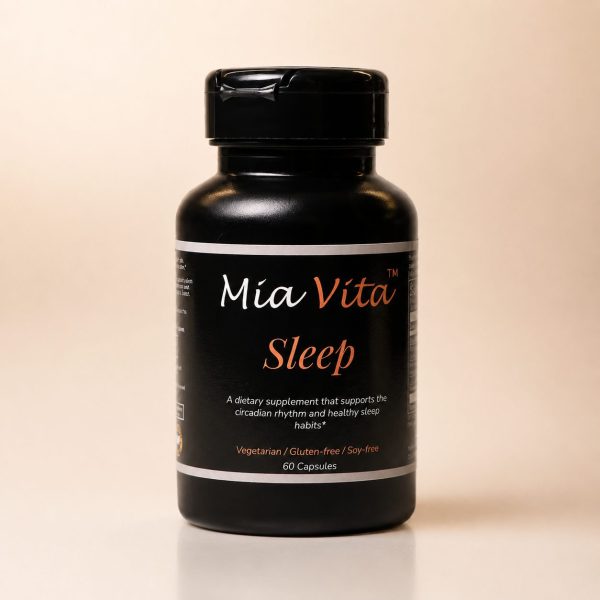




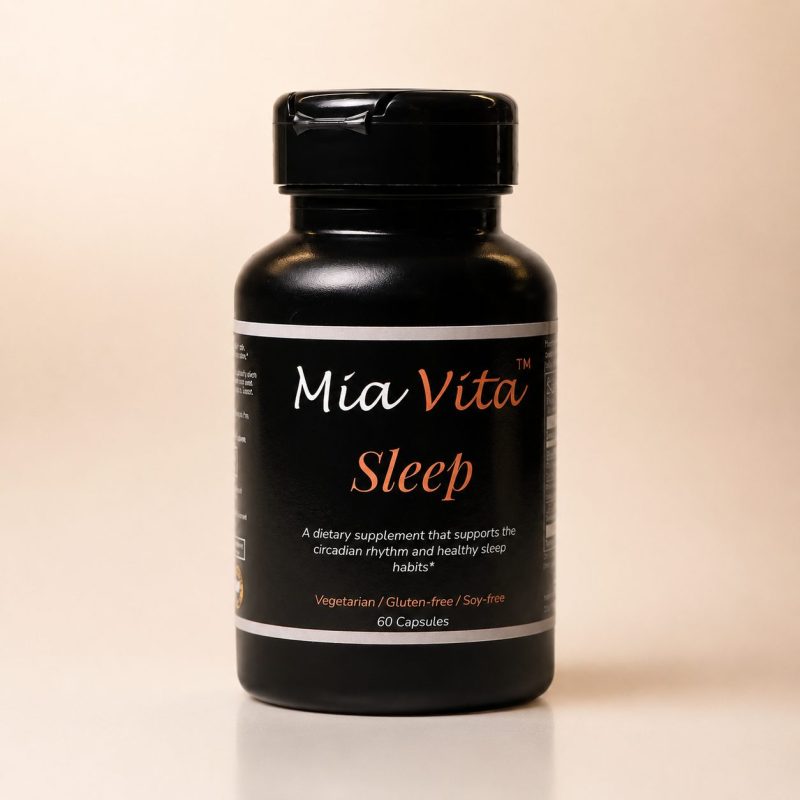

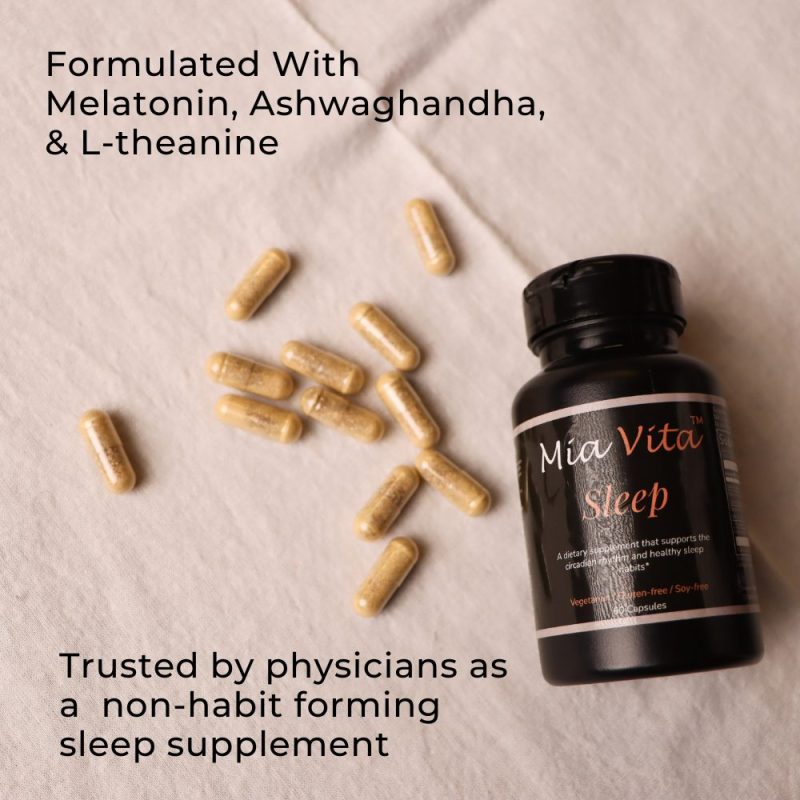


Mia Vita® Sleep
Fall Asleep Faster. Stay Asleep Longer.
If you struggle with falling asleep, tossing and turning, or waking up groggy, Mia Vita® Sleep is your new nighttime ritual. This science-backed, non-habit-forming supplement is designed to help you drift into deep, restorative sleep — naturally. Promotes relaxation and better sleep.