
When we talk about foods for longevity, the conversation has traditionally focused on how to live longer. However, that idea is changing. Longevity is no longer just about adding years to life. It is about adding life to those years. Today, there is a growing emphasis on healthspan, which means staying energetic, strong, and mentally sharp as we age.
This shift changes the goal. It is not just about reaching an older age, but reaching it with steady energy, clear thinking, and a body that feels capable. Many of us are living longer but not necessarily feeling better. That is why everyday foods for longevity matter. Nutrition is one of the simplest ways to support vitality now while also protecting long term health. Choosing the right foods for vitality helps build a stronger foundation for the years ahead.
From Lifespan to Health span: Why Healthy Ageing Looks Different Today
Lifespan refers to how long we live. Healthspan describes how well we live during those years. Research suggests many people spend later years managing chronic conditions rather than feeling well. As a result, the focus has shifted towards maintaining physical function, brain health, and metabolic resilience.
Ageing can affect muscle, bone, blood sugar control, and inflammation. Without supportive habits, healthspan can shorten even if lifespan increases. This is why foods for longevity are not just about preventing illness later. They help support steadier energy, clearer thinking, and a body that stays strong and capable today.
What Does Longevity Nutrition Really Mean?
Longevity nutrition is not about strict rules, cutting calories, or chasing anti-ageing trends. It is about eating in a way that supports the body systems that shape how we feel and function as we age.
In practical terms, foods for longevity help stabilize blood sugar, lower inflammation, protect brain health, preserve muscle and bone, and support gut and immune function. These benefits show up as steadier energy, better focus, fewer cravings, and a more resilient body. Over time, these same habits and foods for vitality support both how you feel now and how you age.
Nutritional advice can be helpful, but it can also be confusing, especially when recommendations change or are presented in oversimplified ways. Recently, a newly released Healthy Eating Pyramid in the United States sparkeddiscussion among independent nutrition experts, with some questioning whether it reflects the strongest and most up to date science on metabolic health and long-term wellbeing. The key takeaway is simple. Look for the data behind dietary advice. Large cohort studies and well conducted trials repeatedly point towards similar principles: diets built around whole, minimally processed foods, fiber, healthy fats, and plant diversity are consistently linked with better healthspan and a lower risk of chronic disease.
When it comes to eating for longevity, the most reliable guidance comes from patterns supported by decades of research, not trends or headlines. Focus on foods that are repeatedly linked with better metabolic, brain, and cardiovascular health.
The 5 Best Foods for Longevity and Vitality
1. Legumes and pulses
A cornerstone in many long-lived populations, legumes provide plant protein, fiber, and minerals that support blood sugar balance, gut health, and healthier cholesterol.
Examples: lentils, chickpeas, black beans, butter beans, edamame.
Tip: aim for around half a cup most days, tinned is fine, rinse well.
2. Nuts and seeds
Nuts and seeds supply unsaturated fats, fiber, antioxidants, and minerals such as magnesium. Regular intake is linked with better cardiometabolic health and helps with satiety.
Examples: walnuts, almonds, pistachios, chia seeds, flaxseed, pumpkin seeds.
Tip: a small handful a day, choose plain and unsalted.
3. Healthy fats
Healthy fats support heart health, brain function, and inflammation balance. Extra virgin olive oil is especially well studied within Mediterranean style eating patterns.
Examples: extra virgin olive oil, olives, avocado, oily fish (salmon, sardines, mackerel).
Tip: use olive oil as your default dressing and aim for oily fish 2 times a week if you eat it.
4. Whole grains
Whole grains provide fiber and nutrients that support gut health and steadier blood sugar. When you choose whole grains, you are often swapping them in place of refined grains like white bread, white rice, and many sugary cereals, which supports long term health.
Examples: oats, barley, quinoa, brown rice, rye, buckwheat.
Tip: choose whole grains that are minimally processed.
5. Colorful plants, especially cruciferous vegetables and berries
Colorful vegetables and fruits provide a wide range of protective plant compounds, including polyphenols and carotenoids, which are linked with brain and heart health. Cruciferous vegetables also contain sulfur compounds that support the body’s natural protective pathways.
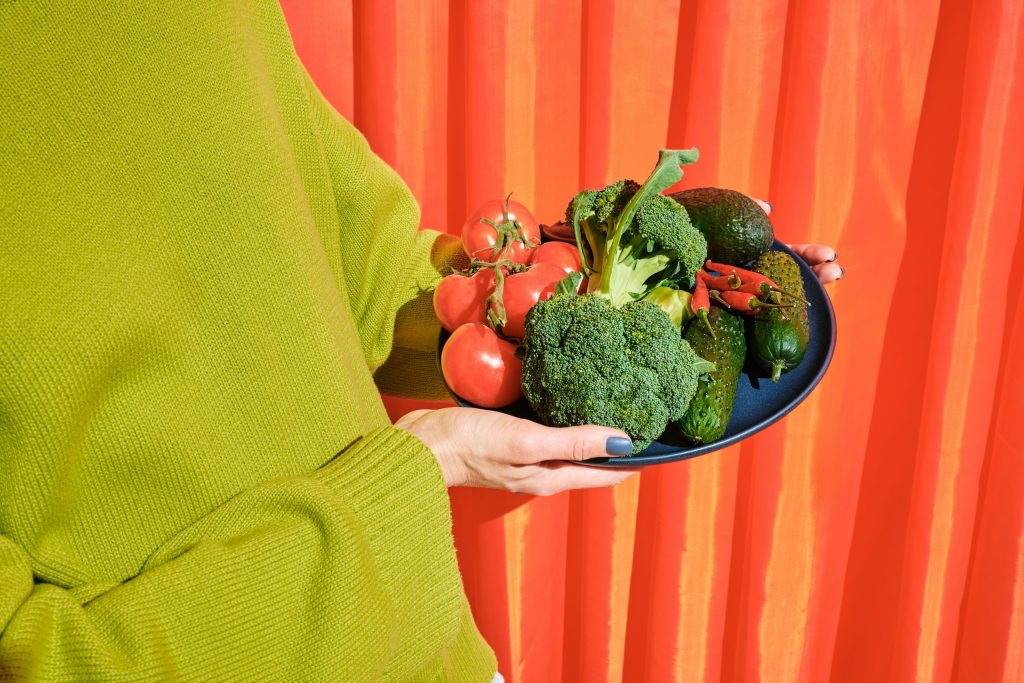
Examples: broccoli, kale, cabbage, Brussels sprouts, blueberries, strawberries, raspberries, red peppers.
Tip: Make plant foods the main feature of your meals and rotate colors to maximize variety.
These five groups support foods for longevity and foods for vitality because they work best as a pattern, not in isolation. Their benefits build over time when they become part of how you eat most days.
How to Eat for Longevity in Real Life
Knowing what to eat is one thing. Making it work every day is another. The goal is consistency, not perfection. Small, repeatable habits have more impact than short term overhauls.
Build meals around protein, fiber, and healthy fats to support steadier energy and appetite. Keeping a few simple go to meals reduces decision fatigue. A flexible routine works better than rigid rules. Focusing on foods for vitality most of the time allows flexibility without turning eating into a source of stress.
Longevity That Feels Good Now
The conversation around ageing is changing. The focus has shifted from lifespan to healthspan, from living longer to living better. Choosing foods for longevity supports strength, focus, and independence as we age, while helping you feel more energized today. Small changes add up. Each nourishing meal is an investment in future wellbeing. By prioritizing foods for vitality, you support a longer life that also feels healthier and more fulfilling.