
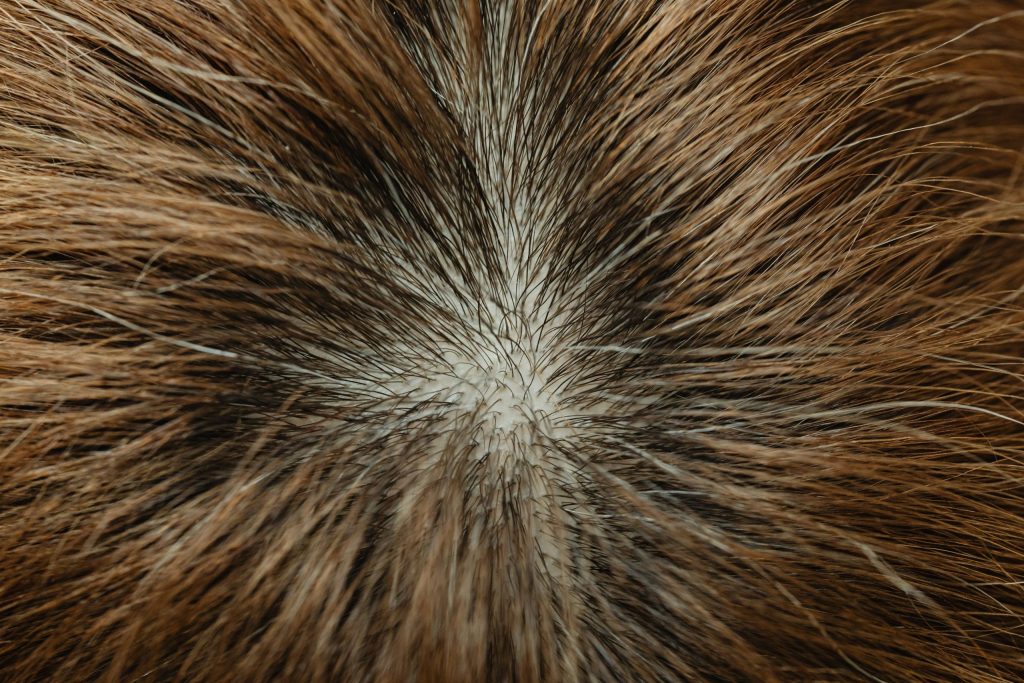
Thinning hair can feel like one of the most frustrating midlife surprises. One day your ponytail feels full and strong; the next, it seems like you’re shedding more than your cat.
The truth is, thinning hair is extremely common for women in perimenopause and menopause—and it’s rarely about just one cause. Hormones shift, stress piles up, life changes happen, and suddenly your hair isn’t behaving the way it used to.
The good news? You have more control than you think. Understanding why thinning hair happens (and what you can do about it) is the first step to restoring confidence and creating a healthier environment for your hair to grow.
Common Causes of Thinning Hair in Midlife
1. Hormonal Changes in Perimenopause and Menopause
Estrogen and progesterone play a quiet but crucial role in supporting healthy hair growth. As hormone levels naturally decline in midlife, hair can become finer, drier, and more prone to shedding. Meanwhile, androgens (male hormones that women also have) may become more dominant, which can shrink hair follicles and shorten the hair-growth cycle.
2. Chronic Stress
Midlife often brings big transitions—kids leaving home, aging parents, career shifts, relationship changes—and your body feels it. Chronic stress can disrupt the hair-growth cycle and push more follicles into the “shedding” phase, leading to noticeable thinning over time.
3. Nutritional Gaps
Hair needs consistent nourishment. Diets low in protein, healthy fats, vitamins, and minerals—especially iron, B vitamins, and zinc—can contribute to weaker strands and slower growth. Even mild nutritional deficiencies can show up first in your hair.
4. Overprocessing and Heat Damage
Years of coloring, highlighting, flat ironing, or keratin treatments can weaken hair shafts and cause breakage that mimics thinning. Even tight hairstyles like ponytails or buns can put strain on follicles.
5. Harsh Haircare Products
Many shampoos contain sulfates and harsh detergents that strip the scalp of natural oils. Over time, this can create a dry, irritated scalp environment that’s less supportive of healthy hair growth.
6. Underlying Medical Conditions
Thinning hair can also be linked to conditions such as thyroid imbalance, autoimmune conditions, anemia, or other health concerns. If your hair loss is sudden, severe, or accompanied by symptoms like fatigue or changes in weight, it’s important to talk with your doctor.
The Best Solutions for Supporting Thicker, Healthier Hair
You don’t need a shelf full of products to make meaningful improvements. Small, consistent habits often have the biggest impact.
1. Manage Stress More Intentionally
Lowering stress isn’t just good for your mind—it’s essential for your hair. A calmer nervous system supports hormonal balance and a healthier hair-growth cycle. Helpful practices include:
- Daily deep breathing
- Short walks outside
- Mindfulness or meditation
- Gentle yoga or stretching
Even 10 minutes a day can help regulate stress hormones that contribute to thinning hair.
2. Focus on Nutrient-Rich Eating
Fueling yourself well is one of the best ways to support hair from the inside out. Aim to incorporate:
- Lean proteins (important for hair structure)
- Omega-3 fatty acids (support scalp health)
- Colorful fruits and vegetables
- Whole grains
- Iron-rich foods such as leafy greens and beans
Reducing alcohol and sugar can also minimize inflammation in the body and improve nutrient absorption—both of which help create a healthier environment for hair to grow.
3. Be Gentle With Your Hair
Instead of pulling your hair tight or blasting it with heat, try:
- Wearing looser hairstyles
- Limiting heat-styling tools
- Taking breaks between chemical or color treatments
These small changes can greatly reduce breakage that looks like thinning.
4. Choose the Right Shampoo
Look for sulfate-free shampoos and conditioners designed to nourish rather than strip moisture. Sulfate-free formulas help maintain natural oils and protect the scalp—key factors for fuller, stronger hair over time.
5. Pay Attention to Scalp Health
A healthy scalp equals healthy hair. Gentle exfoliation, adequate hydration, and avoiding irritating products help keep follicles clear and able to function as they should.
6. Consider Internal Hydration Support
Hydration is essential for hair elasticity, shine, and overall health. Dryness—common in perimenopause and menopause—can leave hair brittle.
The Mia Vita® Hyaluronic Acid (Oral Dietary Supplement) can help support overall hair hydration. By improving moisture levels in the body, it helps create a healthier environment where hair can grow more easily.
7. Talk With Your Doctor if Needed
If you suspect an underlying health issue—or if thinning hair feels sudden or severe—seeking medical guidance is essential. A simple blood test can check for hormone imbalances, thyroid issues, or nutrient deficiencies.
You’re Not Alone—And You Have Options
Thinning hair during perimenopause and menopause is common, but it doesn’t have to be something you simply accept. By supporting your body with hydration, nutrition, stress reduction, gentler haircare, and medical guidance when needed, you can nurture healthier hair at any age.
Your hair may be changing—but with the right approach, it can still thrive.